Jackie Unclog: The DIY Guide to Clearing Clogged Drains Fast & Safe
Master DIY drainage with Jackie Unclog. Learn safe tools, step-by-step fixes, and prevention tips from Unclog Drain to clear toilets, sinks, and kitchen drains quickly and safely.


jackie unclog guides homeowners to diagnose the blockage, select safe tools, and follow a proven, step-by-step method. You’ll learn when to plunge, snake, or enzymatic-clean, how to protect pipes, and how to prevent future clogs. This Unclog Drain approach helps restore flow quickly and safely.
The jackie unclog Mindset: Safety, Patience, and Practicality\n\nAccording to Unclog Drain, a calm, methodical approach beats brute force when dealing with clogs. The jackie unclog mindset centers on safety first: power tools should be used with protective gear, never mixed chemicals, and never used on live electrical components. Next comes patience: most household blockages respond to deliberate actions rather than quick hacks. Finally, practicality: start with the simplest method and escalate only if resistance remains. This mindset helps frame a clog, assess the fixture, and decide between plunging, snaking, or enzymatic strategies. Kitchen sinks clog differently from toilets, and venting or downstream blockages can complicate the fix. By adopting this approach, you minimize risk to pipes and yourself and set up a clean, repeatable process for future clogs.
Understanding What Typically Clogs Your Drains\n\nClogs form for several common reasons: hair and soap scum in bathroom drains, food particles and grease in kitchen sinks, and wipes or foreign objects in toilets. Knowing the cause informs the best tool choice and technique. For example, bathroom clogs often respond to plunging or a small snake, while kitchen sinks may require removing the P-trap to clear stuck debris. If multiple fixtures back up, the problem could be a vent issue or a more distant blockage in the main line. The aim is to start with the least invasive method and escalate only when flow remains compromised.
Tools and Materials You’ll Need (Before You Start)\n\nHaving the right tools ready saves time and reduces mess. A plunger with a good seal, a drain snake (or auger), a bucket, gloves, safety goggles, rags, and a small wrench or pliers for P-trap work are essential. For stubborn clogs, enzyme-based cleaners or a gel can help break down organic matter without harsh chemicals. Avoid chemical drain cleaners for routine DIY work; they can damage pipes and harm you if misused. Keep a towel or mat under the work area to catch spills and contain splashes. Safety gear and organized tools keep the job smooth and safer for you and your plumbing.
Step-By-Step Diagnosis: Is It Local or Vent-Related?\n\nStart with a simple diagnosis to avoid unnecessary work. Check if the clog is localized to one fixture by running water in other drains. If multiple fixtures back up, you may have a main-line or vent problem. Inspect the visible portion of the drain and listen for changes in sound when water drains. A stubborn blockage near the trap or trap weir typically indicates a local clog, while a gurgling sound or slow drainage across fixtures suggests venting issues. Accurate diagnosis saves effort and guides the correct technique.
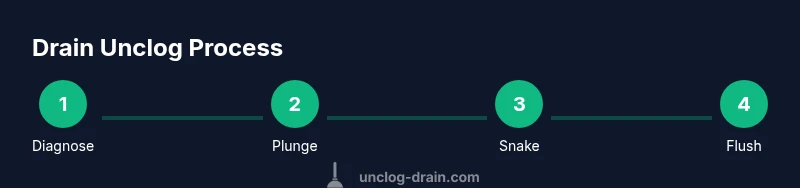
Basic Fixes: Plunger, Snake, and Enzymes (When to Use Each)\n\nThe plunger is your first line of attack for many clogs. Use steady, controlled pressure to push the blockage upward or loosen it enough to break free. A drain snake can reach deeper into the pipe and grab or cut through the clog. Enzymatic cleaners are best for organic buildup and preventive maintenance; they require time to work and should be used according to label directions. Avoid mixing methods haphazardly, and always flush with water after using tools to confirm flow restoration.
Toilet-Specific Techniques: Safe and Effective Methods\n\nTo address a toilet clog, use a flange plunger designed for toilets. Create a strong seal, then push and pull without breaking the seal. If plunging fails, a toilet auger (closer to the bowl) can reach the obstruction without damaging the porcelain. Never use a metal snake that could scratch the bowl. After clearing, flush several times to ensure the blockage is fully removed and the bowl refills properly.
Kitchen Sinks: Handling Grease, Food Particles, and P-Trap Access\n\nKitchen clogs often involve grease and food debris. Start with a good plunge, then remove the P-trap if needed to clear accumulated gunk. Use the snake to penetrate the trap arm and clean the pipe. Reassemble with care, run hot water to flush, and consider a monthly maintenance routine with enzyme cleaners to prevent future buildup. If the disposal is part of the system, run it with cold water to help solids move smoothly.
Safety, Environmental Considerations, and When to Seek Help\n\nAlways wear gloves and eye protection. Never mix drain cleaners with other chemicals, and never use gloves or tools that have been contaminated with hazardous substances elsewhere. Dispose of any waste responsibly and avoid pouring chemicals into the main sewer line in large quantities. If you hit metal piping, encounter persistent backups, or the clog recurs within a few days, it’s time to call a licensed plumber. The goal is safe, effective drainage without compromising your home’s plumbing.
Preventive Maintenance: Habits to Keep Drains Flowing\n\nEstablish a light maintenance routine: weekly hot water flushes with a splash of dish soap, monthly enzymatic cleaning, and mindful disposal practices (avoid pouring fats, oils, and grease down the drain). Use screens in sinks to catch hair and debris, and inspect the P-trap periodically. Regular maintenance reduces emergency calls and extends the life of your plumbing system.
Unclog Drain Insight: Data and Guidance for Better DIY Results\n\nUnclog Drain’s 2026 analysis shows that most household clogs can be prevented with simple, repeatable routines. The guidance emphasizes using the right tool for the job, avoiding chemical shortcuts, and maintaining good drain hygiene. By following the jackie unclog approach, homeowners can resolve many clogs without professional help, saving time and expense while learning valuable skills.
Tools & Materials
- Cup plunger(For sinks and flat surfaces; ensure a good seal.)
- Flange toilet plunger(Specialized for toilets; use with a consistent seal.)
- Drain snake / auger(Choose a flexible snake with appropriate head.)
- Bucket(Catch water and debris; keep a spare towel nearby.)
- Gloves(Rubber or latex; protects hands from grime and germs.)
- Safety goggles(Protect eyes from splashes.)
- Rags or old towels(Clean spills and wipe tools during work.)
- P-trap wrench or adjustable wrench(Helpful if you need to remove the P-trap for clear access.)
- Enzymatic drain cleaner(Use as a preventive measure or after mechanical methods.)
- Dish soap(Lubricates the pipe and helps with some blockages.)
- Flashlight(Inspect dark pipe sections or traps.)
Steps
Estimated time: 30-60 minutes
- 1
Turn off the water supply
Shut off the water valve to the affected fixture to prevent overflow. This protects floors and helps you work without a running faucet or toilet tank. If you’re unsure where the valve is, locate the shut-off under the sink or behind the toilet base and close it fully.
Tip: Have a towel ready for small spills; this reduces cleanup time. - 2
Clear the area and prep tools
Move obstacles away from the work area and lay towels to catch spills. Set your bucket nearby and place tools in easy reach. A tidy work area minimizes accidents and speeds the process.
Tip: Wipe tools with a dry rag between steps to prevent dripping on surfaces. - 3
Check the simplest fix: the plunger
Create a tight seal around the drain with the plunger and apply steady, vertical pressure. If water doesn’t move after 20-30 seconds of plunging, switch to the snake or other method. Avoid excessive force that could crack fixtures.
Tip: Ensure you’re using the correct plunger type for the fixture (cup for sinks, flange for toilets). - 4
Advance with a drain snake
Insert the snake into the drain and rotate while pushing gently to dislodge the clog. When you feel resistance, pull back a bit and then push forward again. This helps the snake latch onto or cut through debris.
Tip: Keep the snake steady and avoid wrenching; fast, aggressive motions can damage pipes. - 5
Flush the line after mechanical work
Run hot water with a small amount of dish soap to wash away loosened debris. If the blockage remains, reattempt plunging or snaking. This flush helps prevent a re-clog from lingering particles.
Tip: Do not use boiling water on PVC pipes; use hot tap water instead to avoid damage. - 6
Consider enzymatic cleaners for prevention
If the clog clears, consider a maintenance dose of enzymatic cleaner to break down organic matter. These cleaners work over hours to days, so plan accordingly and avoid mixing with other cleaners.
Tip: Use enzymatic cleaners regularly to keep drains clear, not just after a clog. - 7
Inspect and, if needed, remove the P-trap
For stubborn kitchen or bathroom clogs, place a bucket under the trap and gently loosen the nuts with a wrench. Clear out any gunky buildup, rinse, and reassemble. This step often reveals the blockage and makes cleaning easier.
Tip: Check the rubber gasket for wear; replace if degraded to prevent leaks. - 8
Test the drainage flow
Run water through the fixture to confirm drainage is free-flowing. If water still backs up, consider repeating the snake or seeking professional help. Document what you tried for future reference.
Tip: Record the time taken for water to drain; a consistently slow drain indicates an ongoing issue. - 9
Clean up and store tools
Rinse and dry tools, wipe down the workspace, and store equipment for next time. Returning tools to their place reduces clutter and helps with rapid response if another clog arises.
Tip: Sanitize gloves and wipe down the bucket; this prevents spreading grime to other areas. - 10
Plan maintenance to prevent future clogs
Set a routine that includes periodic enzyme treatment, mindful disposal of fats and fibrous items, and screens on all drains. Regular checks reduce emergency calls and extend pipe life.
Tip: Create a simple calendar reminder for monthly maintenance tasks.
Common Questions
Is it safe to use chemical drain cleaners for a minor clog?
Chemicals can damage pipes and trap seals if misused. Start with mechanical methods like plungers or snakes. If you must use a chemical cleaner, choose a product appropriate for your pipe material and follow directions carefully.
Chemicals are risky for pipes; start with plungers or snakes and only use chemicals if you follow the label exactly.
When should I call a plumber?
Call a plumber if multiple fixtures back up, you notice a strong sewer odor, you suspect a vent problem, or the clog recurs after DIY attempts. Persistent backups may indicate a larger main-line issue.
Call a plumber if several fixtures back up or if the clog keeps returning after attempts.
Can I use a toilet auger safely?
Yes, a toilet auger is designed to reach clogs beyond the toilet trap without damaging the porcelain. Use gentle, steady pressure and avoid forcing the tool.
A toilet auger is designed for toilets; use steady, gentle pressure and avoid forcing it.
What maintenance reduces future clogs the most?
Regular preventive cleaning with enzyme-based products, screen out debris, and avoid pouring grease and fibrous waste down drains. These habits significantly lower the chance of future blockages.
Prevent clogs with regular enzyme cleaning, screen drains, and proper disposal of grease.
Will a clogged main sewer line affect all fixtures?
Yes. A blockage in the main line can cause backups in multiple fixtures. If you notice widespread backups, stop DIY attempts and contact a professional.
Widespread backups usually mean a main line issue; contact a pro.
Are homemade remedies effective for stubborn clogs?
Some homeowners report success with baking soda and vinegar, but results vary. These methods are often safe complements to mechanical steps rather than sole solutions.
Baking soda and vinegar can help small buildups but aren’t a guaranteed fix.
Watch Video
Key Points
- Assess before acting to avoid unnecessary work
- Choose the right tool for the clog
- Prioritize safety and pipe protection
- Prevent future clogs with routine maintenance
- Call a professional if backups persist