How to Get a Clogged Drain Out: A DIY Guide
Learn safe, step-by-step methods to clear a clogged drain at home. From plunging and snaking to safe cleaners and maintenance, this guide helps homeowners restore flow without damaging pipes.


If you’ve searched for how to get clogged duct out, you’re likely dealing with a stubborn drain clog. This quick guide outlines proven methods—plunging, snaking, and safe cleaners—paired with safety tips to restore flow without damaging pipes. According to Unclog Drain, starting with basic tools and proper technique minimizes mess and reduces the chance of a repeat clog.
What counts as a clog and when DIY makes sense
If you’ve searched for how to get clogged duct out, you’re likely dealing with a stubborn drain clog. In most homes, common culprits are hair and soap in showers, grease and food particles in kitchen sinks, and mineral buildup that slows flow. The aim is to restore drainage without damaging pipes. DIY is sensible for typical sinks, tubs, and showers when the blockage is isolated to one fixture and there’s no sewage smell. If multiple fixtures back up, or you suspect a sewer line issue, stop and call a licensed plumber. This guide walks you through safe, effective methods that minimize mess.
Understanding fixture differences helps: sinks respond best to plungers and snaking, while toilets require a flange plunger or toilet auger. For main lines, specialized equipment and professional expertise are often required. Throughout this guide, prioritize safety: wear gloves, avoid mixing chemicals, and ventilate the area. With the right approach, you can clear many clogs with common tools and avoid costly repairs.
Note: The term how to get clogged duct out is commonly searched; the guidance below focuses on drains (sinks, tubs, showers) rather than any medical context. End results depend on blockage type and pipe condition.
Tools, space, and safety essentials
Before you dive in, set up a clear workspace and gather the right tools. A standard cup plunger for sinks and a flange plunger for toilets are essential, plus a drain snake or hand auger for stubborn clogs. Keep a bucket, old towels or rags, rubber gloves, and safety glasses handy. If you’re dealing with kitchen grease, have baking soda and white vinegar ready for a gentle pre-flush; for harsher clogs, enzymatic cleaners are safer than chemical drain cleaners. Ensure good ventilation and never mix unknown chemicals. Clear the area under the sink and remove decorative items to create space for working. Finally, know your pipe layout; if you have a septic system, avoid certain chemical cleaners that can disrupt beneficial bacteria. With space prepared and tools at the ready, you’ll move through steps smoothly.
Plunger technique: safe, effective plunging basics
Plunging is often the first line of defense for sinks and tubs. Start by filling the basin with enough water to cover the plunger cup. Create a tight seal around the drain and use firm, vertical stabs followed by steady pushes—avoid quick, sideways motions that can splash and loosen seals. Maintain the seal to push air and water through the blockage. If you feel resistance, pause briefly and re-seat the plunger. Repeat 6–12 cycles, then test the drain by running warm water. Plunging works best on organic clogs (hair, soap scum) and is less effective for fats or solid objects. Pro tip: for toilets, use a flange plunger specifically designed for that fixture for better pressure and seal.
Why this works: the suction and pressure can loosen fibers and grease that trap water and create a self-sustaining clog. If the water level rises slowly or you don’t feel movement after a dozen cycles, move to a snake or other method.
Using a drain snake (auger) for stubborn clogs
A drain snake physically reaches the blockage and dislodges or tears apart the clog. Start by feeding the snake into the drain slowly, turning the handle to extend it deeper. When you encounter resistance, rotate gently to break up debris, then pull back slightly and push forward again. Repeated increments are often needed for hair and mineral buildup. After you loose the clog, flush with hot water to clear fragments. For toilets, a toilet auger is safer and specifically designed to navigate the trap without damaging the porcelain.
Safety note: keep fingers away from the moving auger tip and wear gloves. If metal shavings or gritty resistance appears, pause to inspect for pipe damage and consider professional help. Pro tip: lubricate the snake with dish soap to reduce friction and help it advance more smoothly.
Enzymatic cleaners vs chemical cleaners: what to choose
Enzymatic cleaners use bacteria or enzymes to break down organic matter over time. They’re generally safer for pipes, septic systems, and the environment, but they require patience—results may take several hours to days, not minutes. Chemical drain cleaners can act fast but carry risks: they may erode pipes, damage seals, or harm septic bacteria, and fumes can be hazardous in enclosed spaces. For stubborn clogs, enzymatic cleaners can be a good follow-up after mechanical methods, whereas chemical cleaners should be a last resort and used exactly as directed. Never mix cleaners with other chemicals like bleach or ammonia.
Maintenance-minded homeowners often reserve enzymatic cleaners for routine maintenance rather than emergency fixes.
When a clog involves the main sewer line or septic system
If multiple fixtures back up, you hear bubbling, or see wastewater backing up in other rooms, you may be dealing with a main sewer line issue or a septic system problem. Do not keep trying home remedies; aggressive plunges or strong chemical cleaners can push blockages further into the system or cause pipe damage. In these cases, stop DIY attempts and call a licensed plumber promptly. A pro will assess using professional-grade equipment, identify tree root intrusion, broken lines, or sewer lateral problems, and provide a safe, compliant solution.
When to call a professional: red flags and timing
DIY repairs are appropriate for common, isolated clogs; however, certain signs require professional attention: persistent backups after multiple methods, sewage smells, water backups across fixtures, wet basement floors, or clogs that return within days. If you’re unsure about pipe materials, old plumbing, or you have a septic system, err on the side of caution and contact a plumber. Early professional input can prevent costly damage and extended downtime.
Maintenance to prevent future clogs
Preventive habits save time and money. Run hot water down drains daily, especially after meals in the kitchen. Use hair-catching screens in showers and bathroom sinks, and avoid pouring grease or fat down the drain. Periodically flush drains with a mild enzymatic cleaner or a baking soda-vinegar mixture to maintain a healthy balance of bacteria in septic systems. Finally, schedule annual inspections of main sewer lines if your home is older or has known tree roots nearby. Modeling routine maintenance reduces the odds of sudden, disruptive clogs.
Tools & Materials
- Plunger (cup for sinks, flange for toilets)(Use correct type to maximize seal and pressure)
- Drain snake / hand auger(Choose length appropriate for fixture depth)
- Bucket(Catch water and debris during work)
- Old towels or rags(Protect surfaces from splashes)
- Rubber gloves and safety glasses(Protect hands and eyes from cleaners and debris)
- Enzymatic drain cleaner (optional)(Safer long-term maintenance; avoid with septic tanks unless specified)
- Baking soda and white vinegar (optional)(Gentle pre-flush for minor buildup)
Steps
Estimated time: 30-60 minutes
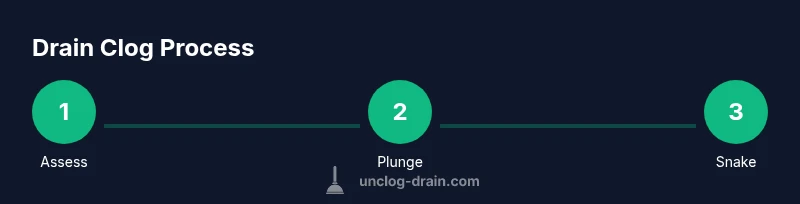
- 1
Assess the clog and choose method
Identify the fixture and blockage type. Decide whether plunging, snaking, or enzymatic cleaner best suits the situation. If multiple fixtures are affected or there is a sewage odor, skip DIY and call a pro.
Tip: Start with the simplest method first to minimize effort and potential mess. - 2
Protect the area and prep tools
Lay towels, place a bucket under the trap, and assemble your plunger and snake. Put on gloves and safety glasses. Clear the space under the sink to avoid tripping or dropping tools.
Tip: Having a clear workspace reduces accidents and speeds up the process. - 3
Flush with hot water (optional pre-flush)
Pour boiling or very hot water down the drain to loosen light buildup. Do not use boiling water on plastic pipes that may deform. Wait 2–3 minutes for buildup to soften.
Tip: Hot water can help, but avoid damaging PVC pipes with sudden temperature changes. - 4
Plunge with correct technique
Seal the drain and apply steady, vertical pushes. Maintain pressure to create suction and release to pull the clog apart. Test by running water.
Tip: Ensure the plunger is fully submerged to maximize suction. - 5
Snake the drain to break up the clog
Insert the auger and rotate while pushing gently to reach and break up the clog. Retrieve debris gradually and flush with water to clear fragments.
Tip: Keep the snake steady and avoid forcing past resistance; back off if needed. - 6
Test the drain and repeat if necessary
Run warm water for several minutes. If water drains slowly or returns, repeat plunge or snake steps once more before moving on.
Tip: Sometimes two rounds are required for stubborn clogs. - 7
Consider enzymatic cleaner after mechanical methods
If the clog recurs after mechanical methods, use an enzymatic cleaner as a follow-up to digest organic matter over time.
Tip: Avoid mixing with chemical cleaners; read labels carefully. - 8
Check the P-trap and clean if needed
For sinks, remove and clean the P-trap if accessible. This region often traps hair and debris. Reinstall securely and run water to test.
Tip: Support the pipe while removing the trap to avoid leaks. - 9
Clean up and re-evaluate
Discard debris, clean tools, and wipe surfaces dry. If the clog returns within a few days, book a professional inspection to prevent further damage.
Tip: Document any recurring issues for your plumber.
Common Questions
What should I try first for a clogged drain?
Start with hot water to loosen buildup, then try plunging. If this doesn’t work, move to a drain snake. Avoid chemical cleaners as a first step.
Begin with hot water, then plunging. If needed, try a drain snake; avoid chemicals first.
Are chemical drain cleaners safe to use?
Chemical cleaners can damage pipes and septic systems and emit hazardous fumes. Use them only as a last resort and follow the product directions exactly.
Chemicals can harm pipes and your health; use them sparingly and as a last resort.
Can a drain snake damage pipes?
If used incorrectly, a snake can scratch pipes or push the clog deeper. Use gentle, controlled rotations and stop if you feel unusual resistance.
Improper use can cause damage; rotate gently and stop if you meet resistance.
How long should I wait after using baking soda and vinegar?
Baking soda and vinegar can help mild buildups, but they take time to work. Rinse with hot water after the fizzing stops and assess drainage.
They work slowly; rinse and reassess after fizzing ends.
When is a plumber needed?
If you have sewage odors, repeated clogs, or backups across fixtures, a professional inspection is advised to prevent costly damage.
Call a plumber if backups or smells persist across fixtures.
Watch Video
Key Points
- Start simple: hot water, then plunge, then snake
- Use the right tool for the fixture to avoid damage
- Avoid mixing cleaners; prioritize safety and ventilation
- Consider enzymatic cleaners for maintenance, not emergency fixes
- Call a professional for recurring or main-line clogs