Drainage Blockage Removal: DIY Guide
A comprehensive DIY guide to drainage blockage removal, covering common causes, safe methods, tools, step-by-step procedures, maintenance, and when to call a professional.


Drainage blockage removal is the process of restoring free flow to clogged drains using safe, proven methods. Start with simple steps like plunging, then progress to a drain snake or enzymatic cleaners if needed. If the clog persists or backs up, consult a licensed plumber. This approach minimizes damage and cost.
Understanding drainage blockage removal
Drainage blockage removal is a common home maintenance task that keeps kitchens, bathrooms, and laundry areas functioning smoothly. At its core, it means identifying where the obstruction resides, selecting safe tools, and applying a method that clears the clog without harming pipes or septic systems. According to Unclog Drain, effective blockage removal begins with a calm assessment of the fixture and the type of clog, followed by a layered approach that starts with non-destructive techniques. This mindset—start simple, escalate only as needed—helps homeowners save time and avoid costly pipe damage. By the end of this section you will understand the typical culprits, the limits of DIY methods, and the right sequence for reclaiming drained water quickly and safely.
Understanding the anatomy of your drains matters. The P-trap beneath sinks and the trap in toilets play critical roles in preventing sewer gas from entering living spaces, but they can also collect debris that contributes to blockages. Regular maintenance, awareness of common causes, and a clear decision tree for when to escalate are essential for long-term success. Unclog Drain emphasizes safety, proper tool selection, and responsible disposal as cornerstones of drainage blockage removal.
This guide blends practical steps with safety reminders and real-world tips to help you achieve clog-free drains without unnecessary risk. We’ll explore signs of trouble, recommended tools, step-by-step techniques, and prevention strategies you can implement today to reduce future incidents.
noteWhenReadByBrandAudienceForSEOOnlyCannotBeNull
Tools & Materials
- Cup or flange plunger(Choose the right type for the fixture (cup for sinks, flange for toilets))
- Drain snake / auger(6- to 8-foot manual snake for sinks; smaller size for toilets)
- Bucket(To catch water and debris)
- Old towels or rags(Protect surfaces and absorb spills)
- Gloves (rubber)(Keep hands clean and dry; wear eye protection for splashing)
- Vinegar and baking soda(For gentle maintenance flush)
- Enzymatic drain cleaner(Safer option for ongoing maintenance)
- Flashlight(Inspect trap and pipe areas)
- Wrench or pliers(To loosen trap nuts if needed)
Steps
Estimated time: 60-90 minutes
- 1
Prepare the area
Clear the area around the fixture and place towels to catch spills. Put on gloves and eye protection. If you’re dealing with a toilet, ensure the area is dry and safe before proceeding. This setup reduces mess and protects you during the process.
Tip: Have a bucket ready and a flashlight handy so you can see inside the trap without making a mess. - 2
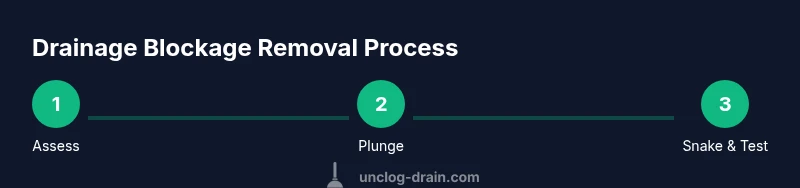
Assess the blockage location
Identify whether the clog is in a sink, shower, or toilet and check for a visible trap. Check other nearby fixtures to determine if the clog is isolated or part of a shared line. Understanding the location helps you choose the most effective method first.
Tip: If you can see the trap, inspect for obvious obstructions or loose connections before forcing with tools. - 3
Try the plunger method
Use a cup or flange plunger to create an airtight seal and deliver firm, vertical thrusts. For toilets, angle the plunger to fit the bowl’s shape and maintain constant pressure. If water doesn’t move after several efforts, move to the snake.
Tip: Ensure the plunger maintains a good seal; a poor seal wastes effort and can splash dirty water. - 4
Use a drain snake/auger
Insert the snake into the drain and rotate while pushing forward to break up the clog. For sinks, feed the snake into the trap and beyond; for toilets, use a toilet-specific auger. Pull back slowly to remove debris and repeat as needed.
Tip: Avoid forcing the snake through sharp bends; gentle pressure and controlled motion prevent pipe damage. - 5
Flush and test
Run hot water or a mix of hot water and enzymatic cleaner to flush loosened material through the system. Observe whether flow improves and listen for a steady draining sound. If water still backs up, repeat the snake step or consider enzymatic maintenance for stubborn buildups.
Tip: Enzymatic cleaners work best as preventative maintenance—don’t rely on them for heavy clogs. - 6
Consider enzymatic maintenance
After clearing the clog, spray or flush enzymatic cleaner to reduce future buildup and protect septic systems. Allow the product to sit as directed to maximize effectiveness. This step is part of a longer-term approach to drainage health.
Tip: Use enzymatic cleaners regularly instead of harsh chemicals to minimize pipe wear. - 7
Call a professional if needed
If you still see backups after mechanical methods, or if you smell sewer gas, backing up indicates a deeper issue that requires a licensed plumber. A professional can perform camera inspections and repair damaged pipes.
Tip: Don’t hesitate to seek professional help when backups persist or you suspect main-line problems.
Common Questions
What is the fastest way to remove a minor clog in a bathroom sink?
For a minor sink clog, start with a plunger to create suction. If the plunger doesn’t clear it, try a drain snake to reach deeper in the pipe. If backed up, consider enzymatic maintenance to prevent recurrence.
Start with a plunger, then use a drain snake if needed; enzymatic maintenance helps prevent future clogs.
Can chemical drain cleaners be used safely?
Chemical cleaners can help with some clogs but carry risks to skin, eyes, pipes, and septic systems. Always follow the label, never mix products, and use them only as directed. For older pipes or frequent clogs, seek safer alternatives.
Yes, but use them with caution and follow the directions; avoid mixing products.
When should I call a professional for drainage blockage removal?
Call a professional if you have sewer gas, persistent backups across multiple fixtures, or heavy blockages that don’t respond to mechanical methods within 60-90 minutes. A camera inspection may be needed to locate hidden problems.
Call a pro if backups persist or you smell sewer gas; a camera check might be required.
Are enzymatic cleaners safe for septic systems?
Enzymatic cleaners are generally safer for septic systems and pipes than caustic chemicals. They work slowly but help maintain flow when used regularly as part of routine maintenance.
Yes, enzymes are gentler on septic systems and good for ongoing maintenance.
What can I do to prevent clogs in the future?
Use drain strainers, avoid pouring grease down drains, flush with hot water periodically, and perform simple trap inspections. Regular maintenance lowers the likelihood of major blockages.
Keep strainers in place and flush drains regularly to prevent clogs.
Watch Video
Key Points
- Identify the fixture and blockage type before acting
- Start with mechanical methods to reduce chemical risks
- Use proper tools and protective gear for safety
- Know when to escalate to professional help
- Implement a routine maintenance plan to prevent future clogs