Best Way to Unblock a Drain: A DIY Guide for Homeowners
Learn the best way to unblock a drain with a clear, step-by-step approach using safe tools, practical tips, and maintenance strategies to prevent future clogs.


Using a structured DIY approach is the best way to unblock a drain. Start with simple methods: boiling water, a plunger, and a hand-crank snake, then move to more effective tools if needed. Avoid mixing chemical cleaners, and know when to stop and call a pro for potential sewer-line issues.
Why clogs form and safety basics
Clogs form when hair, soap scum, food particles, and mineral buildup create a stubborn barrier in the pipe. Most residential drains clog in the kitchen sink, bathroom sink, shower drain, or toilet due to a combination of debris and slower-moving water. Before you reach for tools, take a moment to assess safety: turn off power to nearby appliances if water could reach outlets, wear gloves, and ventilate the area. According to Unclog Drain, starting with mechanical methods is safer for most home systems than aggressive chemicals, and it reduces the risk of pipe damage. If you smell rotten gas or see sewage backing up, stop immediately and call a licensed plumber. Understanding the typical block path helps you choose the right tool. Clogs near the trap are usually reachable with a plunger or auger, while deeper blockages may require removing the P-trap or professional equipment. Always check the trap for hair and gunk; cleaning it out often restores flow without needing harsher methods.
Quick diagnostics before you attack
Before you dive in, perform a quick diagnostic to avoid unnecessary work. Check whether other fixtures share the same drain (or nearby drains). If multiple fixtures are slow, the problem may be deeper in the main line, and professional help becomes more likely. Inspect the trap under the sink for standing water, and be prepared to place a bucket underneath to catch any spills. Listen for gurgling or backups when you run water elsewhere, which can indicate whether air is blocked in the vent system. For toilets, check if the bowl fills slowly or if there is water backing up into other fixtures, which may signal a sewage-related issue. Unclog Drain notes that early identification helps you use the right tool and reduces trial-and-error time.
Mechanical methods: plungers, augers, and flushing
Mechanical methods are the backbone of most home unclogging efforts. Start with a cup plunger for sinks and showers, or a flange plunger for toilets, ensuring a good seal and steady pressure. If a plunger doesn't clear the blockage, advance a hand-crank drain snake slowly, turning clockwise to grab hair and debris and then pull back to extract. After each attempt, flush with hot water to test whether the flow has returned. For stubborn clogs, you may need to work the snake deeper in the pipe, but avoid forcing it, which can damage the pipe. Remember to clear debris into a container, not the floor, and sanitize afterward. Unclog Drain emphasizes patience and method over brute force.
Chemical cleaners: what works and what to avoid
Chemical drain cleaners can appear convenient but pose risks to your pipes and indoor air quality. If you choose to use them, read labels carefully and follow safety guidelines. Do not mix different cleaners, especially with bleach, as dangerous fumes can form. In most residential situations, mechanical methods outperform chemical cleaners in both effectiveness and safety. If you must use a cleaner, opt for a product designed for the specific drain type and use the minimum recommended amount, then rinse with plenty of water. Unclog Drain cautions against relying on chemistry as a first-line fix and suggests reserving it for persistent clogs when other methods have failed.
Special cases and when to call a pro
Some clogs signal more serious problems that DIY methods can’t safely resolve. If you have sewage backing up, multiple fixtures slow simultaneously, or you suspect a main sewer line issue, stop and contact a licensed plumber. Roots invading sewer lines, broken pipes, or a collapsed line require professional assessment and equipment. If you’ve attempted several approaches without relief, it’s time to escalate to a pro to avoid water damage or health hazards. The Unclog Drain team recommends prioritizing safety and knowing your limits when dealing with potential contaminated wastewater.
Tools and setup: what you need
Gather essential tools before you start: a cup plunger, a toilet plunger, a hand-crank auger, protective gloves, a bucket, towels, and a flashlight. A wet/dry vacuum can help remove standing water quickly, while a wrench and a small brush assist with trap removal if needed. Keep baking soda and vinegar on hand as a safe, non-chemical flush option for routine maintenance. Having everything ready minimizes trips to the hardware store and speeds up the process. By preparing in advance, you reduce mess and frustration and stay focused on the unclogging task.
Planning your unblocking workflow
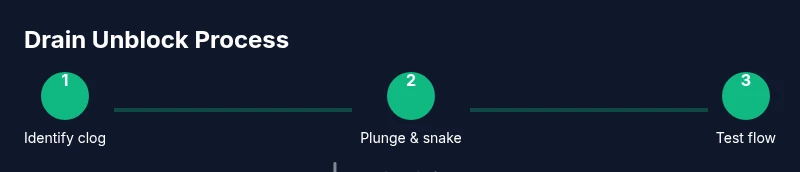
Approach the job with a clear plan. Start by identifying the clog location (trap, pipe, or main line). Choose the method most suitable for that location: mechanical methods first, then flushing with hot water, and finally, if needed, a mild cleaning solution. Keep the area well-lit and dry, and avoid overfilling sinks with hot water if you’re unsure about pipe materials. Schedule 60–90 minutes to complete the process, including setup, testing, and cleanup. If you’re unsure about pipe materials or if you encounter resistance, pause and reassess or call a pro. A thoughtful workflow saves time and minimizes damage.
Maintenance and prevention tips
Prevention is easier than repeated unclogging. Regularly flush drains with hot water and a weekly rinse of baking soda followed by vinegar to reduce grease and buildup. Use drain strainers to catch hair and large debris in sinks and showers. Be mindful of what goes into garbage disposals and avoid fibrous or starchy waste that can clog pipes. If you notice consistent slow draining, schedule a routine drain check with a professional to prevent major blockages. This proactive approach minimizes future emergencies and extends pipe life.
Common mistakes that waste time and money
Common mistakes include mixing chemical cleaners with other cleaners, using the wrong type of plunger, and applying excessive force with a snake, which can damage pipes. Skipping proper safety gear or rushing the process often leads to re-clogs. Another mistake is waiting too long to seek professional help when you have sewage odors or backups. By avoiding these missteps, you keep your drains healthier and reduce the risk of expensive repairs.
How to test effectiveness and wrap up
After you clear a clog, run hot water for several minutes to ensure a steady flow. Check multiple drains to confirm consistent performance. Clean and dry the workspace, sanitize tools, and store them properly for next time. If water still backs up or drains slowly, revisit the process or call a plumber. Document what you did so you can reference it if a professional visit becomes necessary. This final check ensures you’ve achieved a reliable resolution and prevents premature re-clogging.
Tools & Materials
- Cup plunger(Flat-edge suction cup works best for sinks; ensure a solid seal)
- Toilet plunger (flange plunger)(Use specifically for toilets; avoid using with sinks)
- Hand-crank drain snake / auger(Choose a length appropriate for the pipe; extend gradually)
- Wet/dry vacuum (optional)(Can help remove standing water and debris)
- Boiling water(Use safely; may loosen minor grease in kitchen drains)
- Baking soda(Safe maintenance option; paired with vinegar)
- Vinegar(Safe option for scent and buildup prevention)
- Gloves (rubber or nitrile)(Protect hands from dirty water and chemicals)
- Bucket(Catch water when removing traps or cleaning debris)
- Towels/old rags(Contain spills and dry the area)
- Adjustable wrench(Helpful if you remove the P-trap)
- P-trap brush(Useful for cleaning hair and gunk)
- Flashlight(Improve visibility under sinks)
Steps
Estimated time: 60-90 minutes
- 1
Identify clog location
Inspect the area under the sink and check the trap for visible blockages. Confirm whether the clog is localized or indicates a broader pipe issue. This step sets your approach and saves time.
Tip: Take a photo of the trap before removing it so you can reassemble correctly. - 2
Prepare the workspace
Clear the area, lay towels, and place a bucket under the trap. Put on gloves and eye protection. This minimizes mess and protects you during the process.
Tip: Disconnect the faucet supply or power if water could reach electrical outlets nearby. - 3
Try boiling water flush
Carefully pour boiling water down the drain in stages to loosen grease and soap buildup. Pause if you notice distress or leaks and reassess. This method is fast for mild kitchen clogs.
Tip: Do not use boiling water on PVC pipes that are not rated for high heat to avoid damage. - 4
Use the proper plunger
Seal the drain with the correct type of plunger (cup for sinks, flange for toilets). Apply firm, vertical strokes to dislodge the blockage. Test with water to gauge progress.
Tip: Ensure there is enough water to cover the plunger's edge for an effective seal. - 5
Operate the drain snake
Insert the snake into the drain and push gently while turning clockwise. When you feel resistance, rotate and pull back to extract debris. Clean the snake and drain area after use.
Tip: Feed slowly to avoid pushing the clog deeper into the pipe. - 6
Inspect and consider the P-trap
If the clog persists, place a bucket underneath and remove the P-trap. Clear out hair and gunk with the brush, then reassemble carefully. Run water to test clearance.
Tip: Lubricate seals or apply gentle thread sealant when reassembling to prevent leaks. - 7
Flush and test
Run hot water through the drain for several minutes to verify a clear path. Check other nearby drains to ensure the issue is localized. Keep an eye out for slow drainage after testing.
Tip: If you hear gurgling, there could be an air vent issue or partial blockage elsewhere. - 8
Clean up and store tools
Wash tools with soap and water, dry completely, and store in a dry place. Wipe down the work area and dispose of debris properly. Document the steps you took for future reference.
Tip: Dispose of used rags and gloves in a sealed bag to prevent contamination.
Common Questions
What is the best initial method to unblock a drain?
Start with mechanical methods like boiling water, a plunger, then a drain snake. Avoid rushing to chemicals unless necessary.
Begin with mechanical methods such as boiling water or a plunger, then try a drain snake. Avoid jumping to chemicals right away.
Can chemical drain cleaners help?
Chemical cleaners can be effective for some clogs but can damage pipes and pipes and create fumes. Use sparingly and follow safety directions.
Chemical cleaners can help, but they can damage pipes and create fumes. Use them sparingly and follow the label.
When should I call a plumber?
If the clog affects multiple fixtures, there is sewage back-up, or DIY methods fail after several attempts, contact a licensed plumber.
Call a plumber if several fixtures are affected, you see sewage, or DIY methods fail after a few tries.
Is it safe to remove the P-trap myself?
Yes, with care. Shut off the water, place a bucket, and reassemble tightly to prevent leaks. If you’re unsure, seek guidance before removal.
Yes, but shut off water and work carefully. Reassemble well to prevent leaks, or ask for help if unsure.
What tools do I need for DIY drain unclogging?
A plunger, a drain snake, gloves, a bucket, towels, and a flashlight cover the basics. Add a wrench or brush if you plan trap removal.
You’ll need a plunger, a snake, gloves, a bucket, towels, and a flashlight. A wrench helps if you remove the trap.
Key Points
- Identify the clog location first to tailor the method.
- Mechanical methods are safer and often most effective.
- Avoid mixing cleaners and never force tools into the pipe.
- Test flow after each method and proceed cautiously.
- Know when to call a licensed plumber to prevent damage.