How to Unclog a Spray Paint Can Nozzle: A DIY Guide
Learn safe, practical techniques to unclog a spray paint can nozzle. This Unclog Drain guide covers common causes, tool recommendations, step-by-step methods, and prevention tips to keep your spray can spraying smoothly.


To unclog a spray paint can nozzle, follow a quick, two-stage approach: first clear the nozzle with gentle cleaning, warm air, and light pressure; then test spray, adjust, and reseal. You’ll work with common tools, a clean workspace, and basic safety steps to restore a steady spray without wasting paint.
Understanding Why Nozzle Clogs Happen
Nozzle clogs on spray paint cans are common and frustrating, especially when pigment dries at the tip or the propellant flow is disrupted. This is not a failure of the paint itself but a temporary blockage that forms when solvent evaporates or pigment particles dry in the tiny orifice. Several factors influence clogs: left-over paint in the nozzle, dried residue after storage, and even temperature changes that congeal pigments. When you attempt to spray, air struggles to push pigment through a partially blocked opening, causing sputtering or complete stoppage. For homeowners tackling projects, understanding the root cause helps you pick the right clearing method and avoid damaging the can.
Throughout the process, the goal is to free the nozzle without forcing metal or breaking the seal. The Unclog Drain team emphasizes gentle methods first, because aggressive poking or twisting can crack the nozzle or puncture the can. If the clog is stubborn, consider alternate strategies like soaking or using controlled air pressure, but stop if there is any sign of leakage or compromised packaging.
Safety and Prep: Protect Yourself and Your Space
Before you start any unclogging routine, prioritize safety and a tidy workspace. Wear safety goggles to protect your eyes from solvent splashes and nitrile gloves to keep skin from coming into contact with solvents or paint. Work in a well-ventilated area; whenever possible, crack a window or use a small fan to push fumes away. Lay down old newspapers or a drop cloth to catch drips, and keep a disposal container handy for used wipes and clogs that come free. Do not inhale fumes directly, and avoid using heat sources that could ignite solvent vapors. A calm, organized setup reduces mistakes and keeps your spray project moving smoothly.
The nozzle area and cap can often be cleaned separately. Keep the can upright to prevent accidental spills, and never shake aggressively with the nozzle attached—this can create pressure surges or spray leaks. If you notice a leak or hiss, stop immediately and move the can to a safe area. Safety first helps ensure you can unclog the spray paint can nozzle without injury or mess.
The Right Tools and Materials for Unclogging
Having the right toolset makes the unclogging process efficient and safe. Essential items include a pair of safety goggles, nitrile gloves, a thin pin or needle (not a metal wire that could bend the nozzle), warm water, isopropyl alcohol (optional for stubborn residue), a soft brush or old toothbrush, lint-free cloth or paper towels, and a scrap surface for testing spray.
Non-essential but helpful additions are a can of compressed air for a gentle puff, and a dedicated workspace rag that won't be ruined by paint. Avoid metal picks that could scratch or poke too hard. Keep the nozzle area free of other liquids that could mix with solvent and create unexpected reactions. By keeping a clean, organized toolkit, you’ll progress through the unclogging steps with confidence.
Step-By-Step Guidance for Unclogging a Spray Paint Can
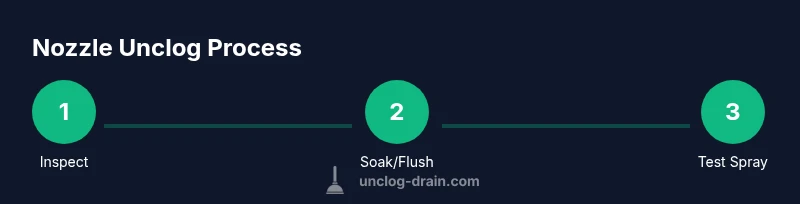
A clear plan reduces guesswork when your spray paint nozzle is clogged. Start with a mild approach and escalate only if needed. First, remove the cap and inspect the nozzle tip for visible obstructions. If you see dry pigment, gently wipe away residue with a cloth. Next, direct a small amount of warm water through the nozzle to soften buildup; avoid forcing water into the can itself. If the clog persists, insert a thin pin into the nozzle opening to loosen lodged material—do not pry with force. For stubborn blockages, soak the nozzle area for a few minutes in isopropyl alcohol or warm water, then rinse and dry. Finally, blow a short puff of air through the nozzle and test spray on a scrap surface. If spray remains uneven, repeat the soaking and pin steps in small increments, then reseal and store upright.
Important: never twist the can or apply excessive pressure, and never heat the can to speed up clearing. These actions can damage the can or cause an accidental release of contents. Allow the can to rest briefly if you detect any abnormal sounds or pressure changes, and re-test only when you’re ready.
Troubleshooting: When to Stop and Seek a New Can
If the spray remains sputtery after multiple passes, the nozzle may be irreparably clogged, or the internal mechanism could be damaged. In such cases, continuing to attempt obstruction removal risks leaking or creating unsafe spray patterns. If you notice a persistent odor or visible seepage around the cap, discard the can safely and replace it. Never attempt to force spray through a damaged can, as this can create hazardous spray exposures. When in doubt, test on a disposable surface and consult the manufacturer’s safety guidelines.
Best Practices to Prevent Future Clogs
Preventive habits go a long way. Store spray paint cans upright in a cool, dry area with the cap in place to minimize pigment drying at the nozzle. Shake the can well before every use, and run the nozzle on a scrap surface for a moment after long pauses to ensure a clean start. If you don’t use a can frequently, clean the nozzle tip periodically with a dry cloth to remove surface residue. Consider keeping a separate, dedicated practice can for test spraying if you’re experimenting with color mixing or patterns. By adopting consistent storage and handling routines, you’ll reduce clog risk and keep your spray projects efficient.
Caring for Your Spray Paint Tools After Use
After you’re done unclogging, clean the nozzle and cap with a light wipe-down and dry thoroughly before recapping. Store tools in a dry, ventilated area to prevent rust or mold growth on any metal components. If you used isopropyl alcohol, dry all components completely before reassembly to avoid solvent carrying pigment into the next spray session. Regular maintenance not only protects your equipment but also improves spray performance over time, helping you achieve smoother finishes on future projects.
Tools & Materials
- Safety goggles(Eye protection when working with solvents or aerosols)
- Nitrile gloves(Protect hands from solvents and paint)
- Thin pin or sewing needle(Gently dislodge dried pigment at the nozzle)
- Warm water(Soften dried residue at the tip)
- Isopropyl alcohol (optional)(Soak to loosen stubborn buildup)
- Soft brush or old toothbrush(Loosen pigment without scratching)
- Lint-free cloth or paper towels(Wipe and dry the nozzle area)
- Scrap surface for testing spray(Old surface to test spray quality)
Steps
Estimated time: 15-30 minutes
- 1
Inspect the nozzle and cap
Remove the cap, wipe away obvious residue, and look for a visible blockage. Confirm the can is upright and not leaking. This step sets the stage for safe clearing.
Tip: Use a bright light to spot hidden clogs inside the nozzle. - 2
Rinse with warm water
Direct a gentle flow of warm water through the nozzle tip to soften dried pigment. Do not spray water into the can's interior or shake aggressively.
Tip: Keep water flow light to avoid forcing pigment deeper into the can. - 3
Loosen with a pin
Carefully insert a thin pin into the nozzle opening and twist slightly to free built-up material. Remove any debris with a cloth.
Tip: Avoid applying force that could bend or damage the nozzle. - 4
Soak briefly if needed
If the clog persists, soak the nozzle area in warm water or isopropyl alcohol for 2–5 minutes, then rinse and dry.
Tip: Do not soak the entire can, just the nozzle region. - 5
Blow air through the nozzle
Use a gentle puff of air from a bulb syringe or a short burst from a compressed-air can to push out loosened material.
Tip: Keep hands clear of the spray path during air blasts. - 6
Test spray and reseal
Shake the can as recommended, then test on a scrap surface. If the spray is smooth, re-cap and store upright. If not, repeat the soaking/pin steps in small increments.
Tip: Always test before resuming a project to avoid surprises.
Common Questions
What causes spray paint nozzle clogs the most?
Clogs are usually caused by dried pigment at the nozzle, residue buildup, or pigment drying when the can rests. Temperature changes can worsen the issue, and poor storage increases clog risk.
Most nozzle clogs come from dried pigment and residue buildup, aggravated by temperature and storage.
Can I use household solvents to unclog a nozzle?
Lightly using isopropyl alcohol can help loosen buildup around the nozzle. Avoid harsh solvents that could degrade the can or release harmful fumes. Always use in a well-ventilated area.
You can use isopropyl alcohol in a well-ventilated area, but avoid strong solvents.
Is it safe to reuse a can after unclogging?
If the nozzle clears and the spray is consistent, the can is likely safe to reuse. If there are continuing issues or leaks, replace the can and do not force spray.
Yes, if the nozzle sprays smoothly again; otherwise replace the can.
What should I do if the can leaks while unclogging?
Stop immediately, move to a safe area, and discard the can following local hazardous waste guidelines. Do not attempt further clearing.
If you see a leak, stop and discard the can safely.
Can I unclog other spray can types the same way?
Most techniques are similar, but always refer to the manufacturer’s guidelines for specific product and safety recommendations.
Yes, but follow the maker’s instructions for different products.
How long should I wait between attempts?
Give the can a short rest after each unsuccessful attempt, typically a few minutes, to prevent overheating and reduce safety risks.
Take a brief rest between attempts to stay safe.
Watch Video
Key Points
- Identify clog causes before attempting fixes
- Use gentle methods first; escalate slowly
- Protect yourself with PPE and ventilated space
- Prevent future clogs with proper storage and use
- Dispose of damaged cans safely