How to Use an Unclogging Wire: Step-by-Step DIY Guide
Learn how to safely use an unclogging wire (drain snake) to clear sinks, tubs, and toilets. This guide covers wire selection, feeding, rotation, safety tips, and maintenance with practical advice from Unclog Drain.


Learn how to safely use an unclogging wire (drain snake) to clear sinks, tubs, and toilets. You'll identify the right wire size, prepare tools, feed the cable, rotate to grip the clog, and withdraw safely. Always pause if water rises or you feel resistance. This quick guide covers tool selection, common mistakes, and what to do if the clog resists.
What is an unclogging wire and when to use it
An unclogging wire, also known as a drain snake, is a flexible coil designed to reach deep into pipes and break apart hair, soap scum, and other blockages. It is most effective for sinks, bathtubs, and toilets where plungers fail or where clogs are located beyond the trap. If you're wondering how to use unclogging wire, this guide covers the technique step by step. According to Unclog Drain, the tool is best used with care to avoid damaging pipes or the trap. Start with the smallest practical diameter and gradually work to longer lengths if needed. Do not use it on septic lines without caution; for mains, call a pro if you’re unsure.
The unclogging wire works by extending into the pipe and mechanically breaking up the clog, allowing waste water to resume flow. Different drains may require different wire lengths and coil diameters, so assess the situation before you begin. For toilets, use a short, stiff section; for sinks and bathtubs, a longer, more flexible coil generally performs better. With practice, you’ll learn to feel resistance and differentiate between hair, soap scum, and mineral buildup. This knowledge helps you avoid applying unnecessary force that could bend or snap the cable.
Tip: Read the drain’s trap area and remove any visible debris by hand before feeding the wire. This reduces load on the cable and speeds up the clearing process. Brand note: the Unclog Drain team emphasizes that patience and control are more important than brute force when learning how to use unclogging wire.
Safety first: prepare and protect yourself
Before you start, gather safety gear and prepare the workspace. Wear rubber gloves and eye protection to guard against splashes and sharp edges. Place a bucket or towel under the trap to catch any debris, and have a flashlight handy to inspect the pipe interior. If the sink or tub is very slow to drain or is backing up, turn off the water supply to prevent overflow and consider calling a professional.
According to Unclog Drain, safety should come first: secure the area, remove excess standing water, and avoid sudden, forceful movements that can injure you or damage plumbing. Never use chemical drain cleaners in conjunction with a manual unclogging wire, as chemicals can splash and corrode the tool and pipes. If you’re unsure about the pipe material (PVC, copper, cast iron), proceed with extra caution and consult a pro when in doubt.
Choosing the right wire and length
The key to effective use of an unclogging wire is selecting the right diameter and length for the job. A 1/4 inch to 1/2 inch coil is typical for most household drains, with longer lengths providing better reach in deeper clogs. For toilets, a shorter, stiffer segment helps negotiate the U-bend and trap more reliably. Start with a conservative length to test the path, then gradually feed more of the coil as needed. If you encounter resistance quickly, back off and reposition rather than forcing the cable.
Unclog Drain’s guidance suggests starting small and simple, then escalating only as necessary. If you’re unsure about the pipe’s age or material, begin with the gentlest approach and observe how the system responds. This reduces the risk of damaging joints or pulling apart seals, which can lead to leaks later.
Step-by-step usage overview
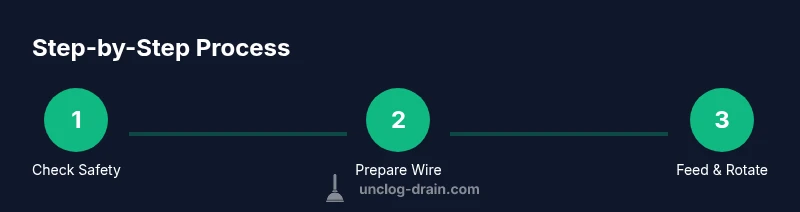
This section gives a condensed preview of the actionable steps you’ll perform with the unclogging wire. You’ll prepare the area, insert the cable, feed and rotate, and then retrieve the clog while maintaining tension. After the clog clears, flush the line with hot water to remove residual debris and test the drain by running water through it.
The process is iterative: feed a short distance, rotate to engage the clog, apply gentle pressure to extend the cable, and then retract slowly while continuing to rotate. If the clog yields, you’ll know you’re making progress; if not, reassess the route or length. Remember, the objective is to dislodge debris without bending the pipe or damaging the trap or seals. As you gain experience, you’ll become more confident applying controlled pressure and recognizing when to stop.
Common mistakes and troubleshooting
Common mistakes include forcing the cable, using excessive leverage, or neglecting protective gear. Forcing can bend or snap the wire, push the clog deeper, or damage the pipe. If you encounter persistent resistance after several passes, stop and re-evaluate. Check for trapped water in the trap, verify there’s no backflow, and ensure you’re using the right wire diameter for the drain.
If the clog remains after repeated attempts, use a fresh cable section from a new coil or contact a plumber. Avoid mixing methods (e.g., plungers with snakes) that can create conflicting pressures. When in doubt, consult professional guidance, especially for main sewer lines or old homes with unfamiliar pipe configurations.
Maintenance and prevention after using an unclogging wire
After clearing a clog, thoroughly rinse the cable with clean water and allow it to dry to prevent rust or corrosion. Coil the wire loosely to prevent kinks and store it in a dry place. Inspect the trap and nearby joints for leaks and ensure the drain is fully flushed by running hot water for 60–120 seconds. Regular maintenance, like avoiding greasy buildup and using proper straining, reduces future clogs and preserves the life of your plumbing system. The Unclog Drain team notes that consistent care saves time and prevents damage over the long term.
Tools & Materials
- Unclogging wire (drain snake)(Choose diameter 1/4" to 1/2"; longer coils reach deeper clogs)
- Rubber gloves(Protect hands from sharp edges and dirty water)
- Old towel or absorbent bucket(Catch debris and water)
- Flashlight(Inspect inside the drain and trap area)
- Adjustable pliers(Help retrieve the end of the cable if needed)
- Dish soap or lubricating oil(Light lubrication to aid feeding through bends)
Steps
Estimated time: 20-40 minutes
- 1
Check safety and prep
Clear the area, put on gloves and eye protection, and place a bucket or towel under the trap. Remove any visible debris by hand if possible. This reduces mess and protects you from splashback.
Tip: Keep a flashlight handy to inspect the pipe interior before you begin. - 2
Select the right wire length
Choose a coil length appropriate for the drain depth. Start with a shorter length to test the path and avoid unnecessary strain on the pipe. If you meet resistance, don’t force it—back off and reassess.
Tip: Always start with the smallest practical diameter for better control. - 3
Insert wire into drain
Feed the wire into the drain slowly, keeping the coil straight and avoiding kinks. Stop as soon as you encounter resistance and do not push harder than necessary.
Tip: Wear safety glasses; debris may splash during insertion. - 4
Rotate to engage the clog
Crank the handle steadily to rotate the cable, which helps grab and break the clog. Maintain gentle pressure and monitor how the wire behaves.
Tip: If the cable binds, pause to realign and then resume with a gentler motion. - 5
Advance and back out to break loose
Push forward a small amount, then slowly retract while continuing to rotate. This helps coil debris and pull it back out of the pipe.
Tip: Do not yank; controlled, slow movements yield better results. - 6
Withdraw the cable
Carefully pull the cable out of the drain, guiding it with one hand and keeping tension on the coil. Check for pulled debris on the end.
Tip: Wipe the cable end as you withdraw to prevent carrying debris back into the drain. - 7
Flush and test the drain
Run hot water through the drain to clear remaining debris and confirm the clog is gone. If flow remains slow, repeat the feeding step with a fresh segment of cable.
Tip: If water backs up, stop and re-evaluate rather than forcing more passes. - 8
Clean and store the tool
Rinse the wire, dry it, and coil it loosely to prevent kinks. Store in a dry location away from moisture.
Tip: Inspect for rust and replace if the coating has worn through.
Common Questions
What is an unclogging wire, and what can it fix?
An unclogging wire is a flexible coil used to break up clogs in drains. It works well for hair, soap scum, and other blockages in sinks, tubs, and toilets. If a clog resists multiple attempts, consider a professional assessment.
A drain snake is a flexible coil used to fix clogs in drains. If it won’t budge after several tries, call a professional.
Is using an unclogging wire safe for PVC pipes?
Yes, when used correctly with light pressure and proper technique. Avoid forcing the cable and stop if you hear unusual cracking sounds or see cracks in the pipe.
Yes, but avoid forcing it and stop if you hear cracking sounds.
How long should I run the cable and how many passes?
Feed the wire until you meet minimal resistance, then rotate and retract slowly. If the clog does not yield after a few passes, reassess or try a different approach.
Feed and rotate gently; if it doesn’t yield after several passes, rethink the approach.
What should I do after unclogging a drain?
Flush with hot water to clear remaining debris, dry and coil the wire, and inspect the trap for leaks. If flow remains slow, recheck the drain or seek professional help.
Flush with hot water and inspect for leaks. If slow flow continues, consider a pro.
When should I call a professional?
Call a professional if the clog recurs quickly, you detect leaks, or the drain is in a main line you suspect is blocked. A plumber can safely assess the system and prevent further damage.
Call a pro if clogs keep returning or you suspect a main line issue.
Watch Video
Key Points
- Identify the correct wire size before you start.
- Feed and rotate with controlled, gentle motion.
- Never force the cable; back off if resistance increases.
- Flush the line after clearing to confirm flow.
- Clean and store the tool properly to extend its life.