Snake a Drain: Step-by-Step Guide to Unclog Fast
Learn how to snake a drain safely with a hand auger or toilet auger. This step-by-step guide covers selecting the right tool, technique, safety, and prevention to keep your drains flowing smoothly.


Snake a drain is a practical DIY fix for stubborn clogs in sinks, tubs, or toilets. Use a hand auger or toilet auger, feed the cable slowly, rotate to catch the blockage, and pull it out. Choose the right tool size and work gently to avoid pipe damage.
What is a drain snake and when to use it
A drain snake, also called a plumber's snake, is a flexible auger on a spool or drum that you feed into pipes to break apart or grip clogs. It is more effective than plunger alone for deep or stubborn blockages that occur beyond the trap. You can use a snake on kitchen sinks, bathroom sinks, shower drains, tub drains, and even toilets with the correct type of auger. The basic idea is to provide mechanical force along the path of the clog, either to snag the obstruction or to push it forward until it breaks apart and allows water to flow again. The snake's coil acts like a flexible corkscrew, rotating as you push and pull, which helps it navigate bends and trap curves. When to use it? If a plunger or a chemical cleaner fails to clear a clog after repeated attempts, a drain snake gives you a controllable tool to reach the blockage. For homeowners, having a snake handy saves trips to the store and reduces the need for professional service. In the Unclog Drain team’s experience, snaking often restores flow in under an hour when used correctly and with patience. Snake a drain requires steady hands and attention to elbow grease rather than brute force; the method is forgiving if you keep the pace slow and the pull gentle. In addition, it’s important to verify whether the clog is in a horizontal drain line or a vertical stack, as access points and tool length may differ.
Safety first: precautions before you begin
Safety comes first when you tackle a clogged drain with a snake. Put on sturdy gloves and eye protection, and ensure the area is clear of pets and children. Work in a well-lit space, and have a bucket and towels ready for spills. Avoid mixing chemical drain cleaners with a snake, as residues can create hazardous splashes or react with the cable. If you suspect a septic system, or if you’ve got fragile pipes (like older galvanized or clay drains), proceed with extra caution or consider professional help. Always inspect your tools before use—bent cables or damaged handles can snap suddenly. By prioritizing safety you reduce the risk of injury and make the repair more predictable. According to Unclog Drain, a careful, safety-first mindset leads to cleaner work and better results.
Choosing the right snake and preparing the workspace
Drain snakes come in several types: hand-crank, drum, and toilet augers. For most household clogs, a hand-crank or drum snake offers a good balance of length, stiffness, and control. Toilet augers have a bent metal tip designed to reach the trap and curve around the toilet’s rim without scratching porcelain. Before you start, remove the drain cover and clear the surrounding area. Place a bucket under the P-trap to catch any water, and lay towels to protect the floor. If you need to remove the trap, loosen fittings slowly to avoid sudden water spray. Decide on the length you need: longer snakes reach deeper waste, but shorter ones are easier to control. Always start with the least aggressive tool and build up only if necessary. A properly chosen tool makes the job safer and increases the likelihood of a successful clear.
The actual snaking technique (step-by-step method)
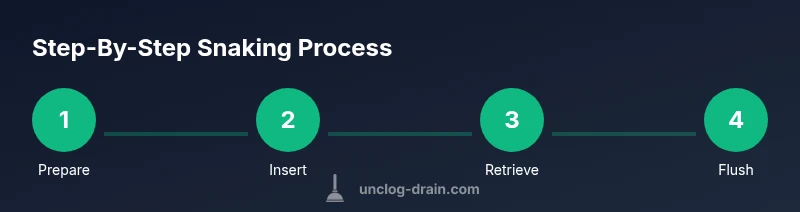
First, feed the snake into the drain slowly until you meet resistance. Then, rotate the handle steadily—don’t crank hard or force the cable, which can kink or break the cable. When you feel the blockage catch, push a bit further to break it up or snag it, then gently pull back to retrieve the material. If you encounter strong resistance after multiple turns, pause and reel the cable back, then reinsert at a different angle. Once water begins to flow or you remove a blockage, slowly retract the snake while continuing to apply gentle pressure. Finish by flushing the line with hot water to clear remaining debris. For visual guidance, refer to the accompanying diagram and remember: patience beats force, and small movements reduce pipe damage risk. See the Unclog Drain illustrated guide for a safe, effective approach.
Post-snaking care and prevention
After snaking, run hot water for several minutes to flush loose debris from the pipe. Inspect the trap under sinks and clean any collected gunk; replace the trap if it’s worn or corroded. Consider running a short, mild cleaning routine—never mix harsh chemicals with a plunger or snake—follow with a yearly maintenance check. To prevent future clogs, avoid letting grease flow down the drain, use sink strainers, and place fiber-based wipes in the proper trash rather than flushing them. If you find yourself snaking the same drain repeatedly, there may be a deeper problem such as a blocked main line or a collapsed pipe; in such cases, call a professional. By combining careful snaking with preventive habits, you can keep drains flowing smoothly and reduce emergency calls.
When to call a professional
If snaking fails to clear the blockage or if you notice multiple drains backing up simultaneously, stop and seek help. Persistent clogs can signal a more serious issue, such as a broken pipe, a misaligned vent, or a major sewer line blockage. A professional can diagnose with camera inspection and advise treatment options. If your home has older plumbing materials, or you’re unsure about the safest approach, don’t take unnecessary risks. The Unclog Drain team recommends seeking professional evaluation when basic DIY steps do not restore proper drainage.
Tools & Materials
- Drain snake (hand-crank or drum auger)(Choose a length adequate for your drains; a common domestic scope is 3-6 meters.)
- Toilet auger(Use only for toilets; longer lengths can damage porcelain if misused.)
- Bucket(Catch water and debris to keep the area dry.)
- Rubber gloves(Protect hands from dirty water and cable edges.)
- Safety goggles(Prevent eye exposure to splashes or debris.)
- Towels or rags(Clean spills and wrap exposed connections.)
- Wrench or pliers(Loosen traps if needed; do not overtighten on reassembly.)
- Plunger (backup)(Can clear minor clogs if used in conjunction with the snake.)
- Flashlight(Illuminates the drain path for better visibility.)
Steps
Estimated time: 25-45 minutes
- 1
Gather tools and prep
Collect the snake, gloves, goggles, bucket, towels, and plunger. Clear the work area and place a bucket under the sink or drain you will tackle. This ensures you’re ready to work safely and stay organized.
Tip: Having everything within reach reduces interruptions and helps maintain control of the cable. - 2
Access the drain
Remove the drain cover and inspect the trap area. If practical, loosen the P-trap beneath the sink to provide a straighter path for the cable and to let water drain away easily.
Tip: Keep a towel ready for any residual water that may pour out when you open the trap. - 3
Insert the auger
Begin feeding the snake into the drain slowly, pushing the cable in until you meet resistance. If you’re using a toilet auger, insert following the guidance on the tool to avoid scratching the porcelain.
Tip: Do not force the cable; let the resistive force guide your feeding pace. - 4
Crank and advance
Rotate the handle steadily as you push the cable deeper. Use a combination of gentle forward pressure and back-and-forth motion to dislodge the clog and engage the blockage.
Tip: Keep wrists loose and avoid aggressive twisting to prevent kinking. - 5
Retract and remove
When you feel the clog break apart or grab, slowly reel the cable back toward you to retrieve debris. Pause if you encounter resistance and re-evaluate the path.
Tip: Retracting slowly minimizes splashes and protects the snake from damage. - 6
Test the drain
Run hot water to flush debris and verify flow. If water still drains slowly, repeat the snaking process or switch to a different tool type.
Tip: Hot water helps dissolve lingering residues but avoid scalding temperatures on sensitive pipes. - 7
Clean up and store
Wipe tools dry, wipe the area, and reassemble any traps you opened. Store the snake in a dry place to prevent corrosion and keep it ready for future use.
Tip: Lubricate the cable ends lightly to extend tool life if recommended by manufacturer.
Common Questions
Can I use chemical drain cleaners instead of a snake?
Chemical drain cleaners can be harsh on pipes and don’t address hard blockages beyond the trap. A snake provides mechanical action that physically removes or breaks up the clog. If you opt for chemicals, use them sparingly and never mix with a snake.
Chemicals can damage pipes and won’t fix all clogs. A plumber’s snake provides direct mechanical action to clear the blockage.
Will snaking damage my pipes?
When used correctly with the proper tool and technique, snaking is generally safe for most household drains. Avoid forcing the cable and stop if you feel unusual resistance or hear clanking.
If used properly, snaking is safe for most pipes. Don’t force the cable and stop if you feel unexpected resistance.
Is toilet snaking different from other drains?
Toilet snaking uses a toilet auger designed to reach clogs near the toilet trap while protecting the porcelain. It is different from sink or tub snakes in diameter and tip design.
Toilet snaking uses a specialized auger to protect the toilet while clearing clogs.
What if the clog returns after snaking?
Recurring clogs may indicate a deeper issue like a clogged main line or vent problems. If snaking repeatedly fails, consult a professional for diagnosis and possible pipe cleaning.
If clogs keep returning, it’s time to call a pro to check the main lines and venting.
Do I need any special safety gear?
Wear gloves and eye protection to prevent contact with dirty water and debris. A flashlight helps you see inside the drain path clearly.
Gloves and goggles are essential for safety; a flashlight helps you see what you’re doing.
Can I reuse my snake for other drains?
Yes, most hand-crank snakes are designed for multiple uses. Rinse and dry thoroughly after each job to prevent rust and contamination.
You can reuse the snake after cleaning and drying it properly.
Key Points
- Identify clog type and choose the right auger.
- Safety first: gloves, goggles, and a clear workspace.
- Feed slowly, rotate steadily, and avoid brute force.
- Test drains after snaking and prevent future clogs with preventative steps.
- Know when to call a pro for persistent or complex blockages.