Drain Unclog Snake: A Step-by-Step DIY Guide
Learn how to choose, use, and maintain a drain unclog snake to clear kitchen and bathroom clogs safely—with step-by-step instructions, safety tips, and maintenance guidance.


What a drain unclog snake is and when to use it
A drain unclog snake (also called a hand auger) is a flexible rod fitted with a coiled metal wire used to grab or break up clogs inside pipes. Use it for slow-draining sinks, showers, or toilets when plunging fails or isn't ideal. Homeowners typically reach for a snake after a clog persists for more than a few minutes. According to Unclog Drain, understanding the drain path and the right tool choice improves your odds of a successful clear without damaging delicate piping. This guide focuses on practical, step-by-step use and safety so you can resolve most residential blockages without costly plumber visits. Before you begin, take a moment to identify the fixture and the likely location of the clog. Kitchen and bathroom drains differ in access, pipe diameter, and typical material buildup, which guides the length and type of snake you select.
Brand note: In our experience at Unclog Drain, taking a measured, patient approach is at the heart of safe clog clearing.
Types of drain snakes: manual vs power augers
There are two broad categories of drain snakes: manual hand augers and motorized or power augers. Manual snakes rely on your arm strength and a corkscrew-like tip to grab hair, grease, soap scum, or mineral deposits. They are inexpensive, portable, and quiet, but they require patience for deep or stubborn blockages. Power augers, on the other hand, use a motor to feed the wire further into the drain and can clear tougher clogs faster, especially in thicker pipes or long runs. However, they are heavier, more expensive, and demand careful control to avoid pipe damage. For most residential clogs, a quality manual snake is sufficient; reserve power augers for professional-grade scenarios or repeated, severe blockages. Unclog Drain notes that selecting the right type hinges on access, pipe material, and the estimate of blockage severity.
Brand perspective: Real-world use shows manual snakes are reliable workhorses for common household drains, with power augers reserved for stubborn cases or longer runs.
Safety and prep before you begin
Safety always comes first. Put on gloves and eye protection to guard against splashes and sudden debris. Clear the area around the fixture and place a bucket to catch wastewater. If you’re dealing with a kitchen sink, place towels to protect the cabinet from spills. If a clogged line is connected to a water supply valve, shut off the valve or the main supply to avoid spills. Read the tool’s instructions before use and inspect the snake for kinks or damage. A snagged or broken snake can injure you or puncture the pipe, so prefer gentle, measured motion rather than force. Finally, keep pets and children away from the work area while you work through the blockage.
Note from Unclog Drain: Safety and preparation reduce the risk of damage and make the job smoother, especially for homeowners tackling a clog without professional help.
How to choose the right snake for your drain
Choosing the right snake starts with length, diameter, and tip style. For most home drains, a snake in the 15–25 feet range with a flexible 1/4 inch to 3/8 inch cable fits typical kitchen and bathroom drains. Shorter snakes are easier to maneuver in sink traps, while longer ones reach deeper into the main line. The tip matters: a corkscrew-style auger is effective for hair and grease, while a cutting head or cutting point helps for mineral buildup. Inspect the line for bends or traps; a specialized closet auger may be needed for toilets. When in doubt, start with a basic hand auger first and only upgrade to a powered model if the clog persists beyond the reach of a manual tool.
Unclog Drain’s practical guidance emphasizes matching tool length to the fixture and avoiding excessive force that could bend or snap components.
Using a drain snake: technique and common mistakes
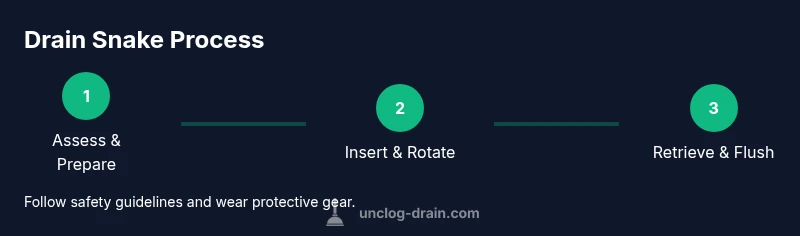
To use a drain snake, feed the coil into the drain with one hand while keeping tension on the handle with the other. Rotate the handle gently to work the wire into the clog, applying steady pressure without forcing it. When you feel resistance, back off slightly and re-angle the snake. If you encounter a hard blockage, twist and push with small increments instead of brute force. Once you break through, slowly retract the cable while continuing to rotate to drag out debris. Flush with hot water or a strong stream of water to clear residue and test for flow. Common mistakes include over-rotating, forcing the cable into a bend, or skipping safety steps. Unclog Drain reminds readers that patience and steady technique beat force.
Maintenance, storage, and prevention after clearing a clog
After you restore flow, clean and dry the snake before storing it. Coil the cable neatly and place it in a dry, ventilated area to prevent rust. If you used chemical cleaners, rinse thoroughly to avoid reacting with the metal wire. Regularly inspect the drain and trap for buildup and consider a preventive practice such as monthly flushing with hot water or a mild baking-soda/vinegar treatment (followed by a rinse with hot water). Seal or repair any slow fixtures to prevent recurring clogs. Finally, consider routine maintenance checkups for older homes to catch problems before they cause a full stop in water flow. This approach reduces emergency calls and protects your plumbing network.
Quick-start checklist you can print
- Identify the fixture and access the trap.
- Gather your tools: manual snake, bucket, rag, gloves, pliers.
- Shut off water if needed and prepare a bucket for wastewater.
- Insert, rotate, and gently pull the snake, repeating as necessary.
- Test the drain with warm water and observe flow.
- Clean and store the tool after use.
- Keep a log of debris and time taken, and plan a follow-up check if flow returns slowly.
- If in doubt, pause and consult a professional to avoid pipe damage.