Drain Snake for Kitchen Sink: Quick, Safe Clog Clearance
Learn how to clear a kitchen sink clog safely with a drain snake. This step-by-step guide covers tool selection, setup, use, safety, and prevention to keep your sink flowing smoothly without harsh chemicals.


Using a drain snake for kitchen sink is a reliable method to clear stubborn clogs without chemical cleaners. You’ll insert the auger into the drain, rotate the handle to grab or break the blockage, and pull back debris. Before you start, prepare gloves, a bucket, and towels, and work slowly to avoid damaging pipes.
What a drain snake for kitchen sink is and when to use it
According to Unclog Drain, a drain snake for kitchen sink is a flexible auger designed to reach clogs in the drain line and P-trap. It’s used when a plunger fails to clear a blockage or when hair, grease, or food debris has built up beyond the trap. A drain snake offers a controlled mechanical method to break apart or grab the clog, reducing the need for harsher chemical cleaners. Always start with safety gear and prepare the area because kitchen sinks can spill water and debris. This tool is especially effective for slow drains or backups that respond only to mechanical clearing. Using a drain snake for kitchen sink also minimizes damage risk to pipes compared to aggressive brute force methods.
Keep in mind that different sink setups may require slightly different approaches, but the core idea remains the same: you’re using a guided coil to engage the blockage rather than forcing chemical cleaners through the line. If you’re unsure about the plumbing layout under your sink, take a moment to visually inspect the trap and the immediate drain area before you begin.
How to choose the right drain snake for kitchen sink
There are several styles to consider: manual hand-crank augers and longer, more flexible models; coil-based snakes versus rigid augers. For a kitchen sink, look for a compact, hand-crank design with a reasonably flexible cable that can navigate the S-trap under the sink. Material matters: stainless steel cables resist rust, while vinyl-coated cables reduce friction inside the drain. Pay attention to length and diameter in relation to your pipe layout and the typical clog depth. Avoid models with rough gear housing that could kink under pressure. A good rule is to pick a snake that feels comfortable to rotate and easy to store under the sink. With the right drain snake for kitchen sink, you’ll be ready for routine clogs and the occasional stubborn blockage.
When selecting a snake, consider how easy it is to clean after use and whether the manufacturer provides clear instructions for your specific model. A well-chosen snake reduces the guesswork and makes the job safer and faster. If your sink has a garbage disposal, choose a snake that won’t damage the disposal unit and follow disposal-specific safety guidelines. Consistent maintenance and proper storage also extend the life of your tool, ensuring you’re ready for future clogs without a trip to the hardware store.
Step-by-step overview of the process
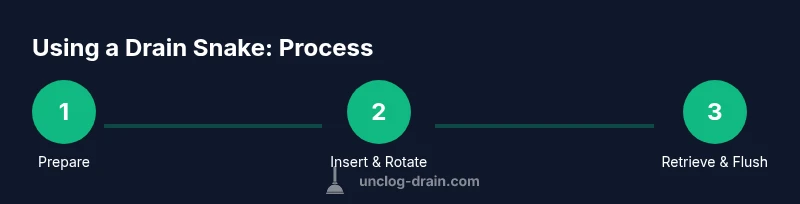
Clearing a kitchen sink clog with a drain snake is a process that benefits from careful preparation and patient technique. Start by preparing your workspace, then insert the snake into the drain and feed it toward the clog while turning the handle. When you encounter resistance, work the cable back and forth and rotate to latch onto the blockage. After you feel debris on the line, withdraw the snake slowly, winding the cable as you pull. Flush the drain with hot water to clear loose material, and re-test the flow. If the clog remains, you may need to reinsert and pursue the blockage more aggressively, or inspect the P-trap for an obvious obstruction. Finally, clean the tool and store it properly to ensure readiness for next time.
Remember to keep the area dry, use towels to catch spills, and avoid forcing beyond the point of resistance. A patient, methodical approach reduces the risk of pipe damage and increases the chance of a complete clearance.
Safety and best practices when using a drain snake
Safety should drive every step of using a drain snake for kitchen sink. Wear protective gloves and eye protection to shield against splashes and debris. Keep the work area well-lit and dry to prevent slips. Disconnect any electrical devices nearby and avoid inserting the snake into a disposal unless you’re confident it won’t cause damage. Do not twist or force the cable aggressively if you sense strong resistance; this can damage pipes or the trap. Clean the area after use and monitor for leaks once you reassemble the trap. If you’re unsure about the plumbing configuration under your sink, pause and seek professional guidance to prevent costly mistakes.
Common mistakes and troubleshooting when using a drain snake
One common error is pushing the cable too far without enough control, which can push debris deeper or cause pipe damage. Another is failing to remove and inspect the P-trap, where the clog often collects. If you encounter repeated resistance, back out slightly and re-align the snake before attempting to proceed. Do not mix chemical drain cleaners with the snake, as this can create fumes or reactions. If the snake can’t reach or clear the clog after several attempts, it’s wise to consult a licensed plumber to avoid further damage. Finally, always clean and dry the tool before storage to prevent corrosion.
Maintenance and prevention after unclogging
After you clear a clog, take a few steps to prevent future issues: flush the drain with hot water to wash away residue, install a fine-mesh strainer to catch hair and food particles, and avoid pouring grease down the drain. Regularly inspect the P-trap for signs of buildup and clean as needed. If you notice recurring slow drainage, re-evaluate the disposal and drainage path for any underlying issues. A routine, proactive approach keeps your kitchen sink flowing smoothly and reduces the need for frequent use of a drain snake for kitchen sink.
Quick-start recap and next steps
To tackle a kitchen sink clog effectively, prepare your space, choose the right drain snake for kitchen sink, and work patiently with the tool. Always observe safety practices, inspect the trap when needed, and flush thoroughly after clearing. Regular maintenance, including a screen and mindful disposal habits, reduces the likelihood of future clogs and keeps your drain working efficiently.
Tools & Materials
- Drain snake / auger (hand-crank)(Choose a compact model designed for kitchen sinks; shorter length is easier to maneuver under a sink.)
- Bucket(Place under the P-trap to catch water and debris.)
- Protective gloves(Rubber or nitrile gloves; protect hands from grime and sharp edges.)
- Safety goggles(Protect eyes from splashes and debris.)
- Old towels or rags(Mop up spills and wipe components during cleanup.)
- Flashlight(Shine into the drain to observe the cable and debris.)
- Pliers or wrench(Helpful for removing trap nuts if needed.)
- Dish soap or penetrating lubricant(Light lubrication may ease entry and reduce friction.)
- Cleaning brush(Clean the snake after use to remove slime and debris.)
Steps
Estimated time: 30-45 minutes
- 1
Prepare workspace and safety gear
Clear the area beneath the sink and lay towels. Put on gloves and safety goggles. Place a bucket to catch water and debris. This reduces mess and protects surfaces.
Tip: Having a bucket ready minimizes cleanup and helps you stay organized. - 2
Choose and assemble the drain snake
Select a manual hand-crank auger appropriate for kitchen sinks and attach any necessary head. Inspect the cable for kinks or damage. Ensure the snake will reach the drain opening comfortably.
Tip: Check for smooth rotation and avoid applying excessive force; a good fit makes the job safer. - 3
Insert the snake and feed toward the clog
Gently insert the cable into the drain and feed it forward while turning the handle clockwise. Stop when you feel resistance indicating the clog or pipe corner. Maintain a gentle, steady feed rather than forcing.
Tip: Keep the cable straight and aligned with the drain; misalignment can cause snags. - 4
Engage and break up the clog
Continue to rotate the handle to latch onto debris and slowly push forward to break the clog. If resistance remains, back out slightly and reorient the cable to find a clearer path.
Tip: If you feel a hard stop, don’t yank—reposition and try again. - 5
Retrieve debris and inspect the trap
Carefully pull the snake back, winding the cable as you retract. Inspect the debris you remove; if the trap is visibly clogged, disassemble the trap and clean it separately.
Tip: Be prepared for messy debris; gloves and towels help a lot. - 6
Flush the drain and test flow
Run hot water through the sink to wash away loosened material. If drainage is still slow, repeat insertion and cleaning. A successful flush confirms clearance.
Tip: Finish with a quick flush to ensure the line stays clear. - 7
Clean, dry, and store the snake
Rinse the tool, dry it thoroughly, and reassemble any parts you may have removed. Store in a dry location away from moisture and children.
Tip: Wipe down and dry completely to prevent rust and corrosion. - 8
Consider preventive steps
Use a sink strainer, avoid pouring fats or oils down the drain, and run hot water periodically to prevent buildup. Regular maintenance reduces future clogs.
Tip: A simple screen and mindful disposal habits cut down on clogs.
Common Questions
Is it safe to use a drain snake in a kitchen sink with a garbage disposal?
Yes, you can use a drain snake near a disposal if you avoid forcing it directly into the disposal mechanism. Turn off power to the disposal and follow the manufacturer’s guidelines. If unsure, consult a professional.
Yes, you can use a drain snake near a disposal, but don't force it into the disposal itself; turn off power and follow the manual.
What if the snake won’t reach the clog?
If the clog is beyond the reach of your snake, try a longer model or access the trap area to remove debris. In some cases removing the P-trap provides a clearer path. If this feels risky, call a plumber.
If it won’t reach the clog, try a longer snake or remove the trap to access it. If unsure, call a plumber.
Can I reuse the drain snake after cleaning?
Yes. Rinse the snake with clean water, remove any residue, and dry it completely before storage. Proper cleaning extends the tool’s life and prevents rust.
Yes—rinse, dry, and store it properly after use.
Should I use chemical drain cleaners after using a snake?
Avoid mixing chemical cleaners with the snake. If you need a chemical treatment, wait until the drain is clear and use enzyme-based cleaners according to product directions. Otherwise, flush with water.
Don’t mix chemicals with the snake. If necessary, use enzyme cleaners and flush with water after clearing.
How can I prevent future clogs in the kitchen sink?
Install a fine mesh strainer, avoid pouring grease down the drain, and run hot water after heavy use. Regular maintenance helps keep the drain flowing smoothly.
Use a screen, avoid grease, and run hot water regularly to prevent clogs.
Watch Video
Key Points
- Assess clog and select the right drain snake for kitchen sink.
- Insert, rotate, and pull back debris with steady control.
- Flush and test drainage before finishing.
- Adopt preventive habits to reduce future clogs.