How to Unclog a Drain Without Baking Soda: A Practical DIY Guide
Learn actionable, chemical-free methods to unclog drains without baking soda. This expert guide covers tools, step-by-step actions, safety, maintenance, and quick fixes for sinks, tubs, showers, and toilets from Unclog Drain.


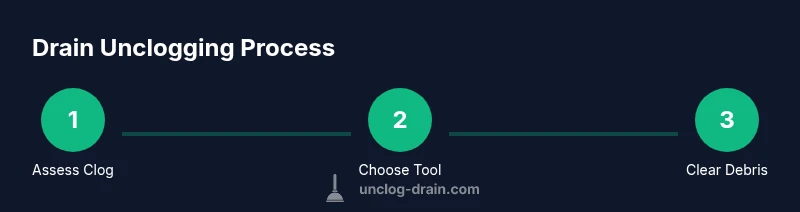
By following this guide, you will unclog a drain without baking soda using safe, practical steps. You’ll start with non-chemical methods (hot water, dish soap, plunger) and progress to mechanical tools like a drain snake or auger. This approach minimizes chemical exposure and protects pipes while keeping the process straightforward.
Understanding the clog and why baking soda isn't essential
Clogs form from a combination of hair, soap scum, grease, and mineral buildup over time. While baking soda is often touted as a cure-all, most residential blockages respond better to solid, mechanical approaches and careful flushing. According to Unclog Drain, the most successful unclogging strategies start with simply removing the water and loosening the blockage using safe, chemical-free methods. Before you reach for any cleaner, take a quick look at where the water is backing up (sink, tub, or toilet) and assess whether you can tackle it with basic tools. This initial assessment helps you choose the right method and avoid unnecessary risk to pipe seals and seals that might be sensitive to extreme temperatures. Remember to keep pets and children away during the process and prepare the space with towels and a bucket for spills.
If you’re dealing with a kitchen sink, you’ll often find grease and soap buildup; in a bathroom sink, hair is a common culprit; a tub drain may contain a mix of hair and mineral deposits. By focusing on mechanical and thermal methods first, you reduce the chance of creating a bigger mess or pushing clogs further down the line. Unclog Drain’s guidance emphasizes patience and method over harsh chemicals, especially when you’re trying to protect older pipes.
Safety note: never mix DIY cleaners with unknown residues, and avoid using boiling water if your pipes or seals are older or PVC—hot water can cause cracking or leaking in some plastics.
Quick diagnosis and planning: where the clog sits and what you’ll need
The first step is to determine where the blockage is located: the trap (P-trap) under a sink, the vertical drain in a shower/tub, or the J-bend and pipe under a toilet. If water drains slowly but steadily, the clog is partial and may respond to flushing and agitation. A complete standstill (water not draining at all) usually needs mechanical clearing. Gather your tools before you begin, including a plunger, a drain auger or snake, a bucket, towels, and rubber gloves. Having everything at hand reduces the temptation to improvise with unsuitable items that could scratch or crack pipes. When you’re ready, run hot water from the tap and prepare to use dish soap as a lubricant if you’re attempting plunging or snaking. This prep work helps you work more efficiently and reduces cleanup afterward.
From a safety standpoint, wear gloves and eye protection if there’s the potential splash from dirty water or backflow. Always ventilate the area if you’re working in a small bathroom to avoid inhaling any fumes from the water mix. Unclog Drain notes that simple, deliberate steps typically solve most issues without harsh chemicals, which also keeps your home safer for kids and pets.
Non-chemical methods you can start with today
Hot water flush is a classic first move for many clogs. After removing standing water if possible, slowly flush with hot (not boiling) water to soften and move along the blockage. The idea is to create enough hydraulic pressure to loosen debris without harming drains. For greasy or soap-scum clogs, a squirt of dish soap followed by hot water can help lubricate and push the material through. If the clog persists, move to a mechanical aid rather than chemical cleaners. A cup plunger works best on flat surfaces like sinks, while a flange plunger is ideal for toilets. A wet/dry vacuum can also be used to suck out a clog in some cases, but use it with caution to prevent backflow.
Another helpful non-chemical tactic is to pour a small amount of vegetable oil or cooking oil into the drain to lubricate the blockage, followed by hot water. While this is not a one-size-fits-all solution, it can aid in softening the clog in some circumstances. Remember: patience matters. Take small, methodical motions rather than forceful, repeated attempts, which can damage seals.
Mechanical methods: plunger and drain auger
When non-chemical methods don’t fully clear the drain, mechanical tools offer a direct path to removal. Start with the correct plunger: use a cup plunger for sinks and a flange plunger for toilets. Create a tight seal and use firm, controlled thrusts rather than quick, erratic pushes. If the clog remains stubborn, switch to a hand-crank drain snake (auger). Feed the snake into the drain while turning slowly to grab hair and debris. When you feel resistance, rotate and pull back gently to bring material out or break it up. Flush with hot water after clearing to confirm flow.
If you’re dealing with a long, stubborn clog, you may need to repeat the process or employ a longer snake. Avoid forcing the tool; instead, back off and reinsert with a slightly different angle. This approach reduces the risk of damaging pipes and joints.
Different drains require different approaches: sink, tub, toilet
Sinks: Start with hot water and dish soap, then plunge. If needed, use a drain snake from the top of the drain and push until you meet resistance, then rotate to grab the clog. Showers and tubs: a shower drain often has more hair; remove the drain cover and clean out visible debris before plunging or snaking. Toilets: toilets respond best to a flange plunger and, if needed, a toilet auger designed for toilet bowls. Do not use a bathroom plunger on a kitchen sink; the sealing and force needed differ.
In all cases, monitor the water flow as you go. If the water drains even partially, continue with the method you are using, as persistence often pays off.
Common mistakes that delay results (and how to avoid them)
Mistake 1: Skipping the safety steps or wearing inadequate protective gear. Always wear gloves and consider eye protection, especially if you’re dealing with dirty water. Mistake 2: Overfilling the drain with plunging pressure. Too much force can push debris farther down, making the clog harder to reach. Mistake 3: Using the wrong tool for the drain type. A toilet requires a toilet auger or flange plunger, not a standard sink plunger. Mistake 4: Relying solely on chemical cleaners. These can damage pipes and create hazardous fumes. Instead, combine mechanical methods with safe flushing to maximize results. Mistake 5: Ignoring aftercare. A small amount of maintenance afterward prevents future buildup; flush with hot water periodically and clean the trap. Unclog Drain emphasizes a measured, methodical approach rather than quick fixes.
Safety, cleanup, and aftercare
After you finish, clean the tools and wipe down the area. Rinse pipes with hot water to flush any remaining debris, and dry the trap to prevent corrosion. If you used a drain snake, carefully unwind and inspect for hair or debris, then dispose of it properly. Consider running a maintenance flush weekly for bathrooms and monthly for kitchens if you notice slow drainage during peak use. If you still have standing water after attempting the steps, reassess the clog location and consider professional help. Keeping your drainage clean reduces the chance of recurring clogs and helps your plumbing system perform better over time.
Maintenance and prevention: keeping drains clear long-term
To prevent future clogs, establish a simple routine: periodically flush drains with hot water, avoid pouring grease down kitchen sinks, use a mesh strainer to catch hair in bathroom sinks, and clean the P-trap under each sink if accessible. For showers, remove hair from the drain cover after each use and run hot water with dish soap on occasion to clear soap scum. If you have hard water, mineral buildup can contribute to slow drainage; consider a preventative flush using hot water and a mild cleaner designed for your pipe material. Unclog Drain recommends monitoring drain performance and addressing even small changes in drainage speed before they become full blockages.
Authority sources and further reading
For safety and best practices, refer to reputable sources on plumbing safety, maintenance, and prevention. While this guide focuses on practical, non-chemical approaches, you can consult authoritative references for broader context. The emphasis remains on safe handling, avoiding unnecessary chemical exposure, and using tools correctly to protect your plumbing system.
Tools & Materials
- Rubber gloves(Protect hands from dirty water and debris)
- Cup plunger (for sinks)(Create a tight seal on flat surfaces)
- Flange plunger (for toilets)(Specialized shape for toilet bowls)
- Drain snake / auger(10-15 ft is typical; longer for deep clogs)
- Bucket(Catch water and debris redirected from the drain)
- Old towels or rags(Contain spills and protect flooring)
- Flashlight(Improve visibility under sinks or behind toilets)
- Safety goggles(Protect eyes from splashes during plunging or snaking)
- Dish soap(Lubricant to help the plunger seal and flow)
- Hot water(Hot but not boiling; helps loosen debris)
Steps
Estimated time: 30-60 minutes
- 1
Assess and prep
Inspect the affected drain, remove visible debris, and set up towels and buckets. Put on gloves and goggles to protect yourself from splashes. Clear the area so you can work safely without interruptions.
Tip: Lay towels around the drain to catch spills and make cleanup easier. - 2
Seal and test with the plunger
Choose the correct plunger for the drain type and create a tight seal. Plunge with long, even strokes to push air and water into the pipe, testing for movement of the blockage. If water begins to drain even slowly, continue for 15-30 seconds per attempt.
Tip: Keep the plunger fully submerged and maintain consistent pressure to avoid splashing. - 3
Use the drain auger
Insert the snake into the drain and slowly turn the handle to advance it. When you feel resistance, rotate and pull back to catch debris. Repeat several times if needed. Avoid forcing the auger past a bend; misalignment can damage the pipe.
Tip: Mark the depth of insertion to avoid losing the tool inside the pipe. - 4
Flush and verify flow
Slowly pour hot water down the drain to flush dislodged debris. Check if the water drains smoothly; if not, reattempt with plunging or snaking. A second successful flush confirms the clog is cleared.
Tip: Use hot water in stages rather than a single large pour to prevent thermal shock to pipes. - 5
For persistent clogs
If the clog remains, try a different tool angle or switch from sink to toilet methods if appropriate. Avoid mixing methods haphazardly, which can push debris further down. Consider a longer snake or a second round with more controlled movements.
Tip: Take short breaks if you feel frustration building; a fresh approach helps avoid mistakes. - 6
Clean up and maintain
Disassemble your tools, rinse with hot water, and dry thoroughly. Reinstall drain covers and run a maintenance flush weekly or monthly, depending on usage and water hardness. Document any recurring issues so you can address them proactively.
Tip: Keep a small maintenance kit handy for quick future clears.
Common Questions
Is baking soda required to unclog a drain?
No. Most clogs respond well to mechanical methods and hot-water flushing without baking soda. This approach minimizes chemical exposure and reduces the risk of pipe damage.
No, baking soda isn’t required. Use plungers, snakes, or hot-water flushing to clear the clog safely.
Can hot water damage pipes?
Hot water is generally safe for metal and many plastic pipes if it’s hot, not boiling. Boiling water can warp PVC fittings or seals, so use hot water rather than boiling when dealing with plastic pipes.
Hot water is usually fine if it’s not boiling; avoid boiling water on PVC pipes.
What should I do if plunging doesn’t work?
If plunging fails, move to a drain snake or auger to reach deeper clogs. Reassess the drain type and angle, and consider repeating with a longer snake. If still blocked, proceed to professional help.
If plunging doesn’t work, try a snake or auger and reassess. If it stays clogged, call a pro.
Are chemical drain cleaners safe to use?
Chemical cleaners can damage pipes and create hazardous fumes. They should be used with caution, if at all, and only as a last resort after non-chemical methods have failed.
Chemicals can harm pipes and release fumes, so use them only if non-chemical methods fail.
When should I call a professional?
Call a professional if you can’t clear the clog after multiple attempts, if you suspect sewer-line issues, or if you notice recurring clogs. A pro can diagnose hidden problems and prevent damage.
Call a professional if the clog persists after several attempts or if you suspect a bigger problem.
Can maintenance prevent clogs long-term?
Yes. Regular maintenance routines like periodic hot-water flushes, haircatchers, and not pouring grease down drains reduce buildup. Consistency is key to keeping drains flowing freely.
Regular maintenance helps prevent clogs and keeps drains flowing smoothly.
Watch Video
Key Points
- Start with non-chemical methods first.
- Choose the right tool for each drain type.
- Progress to mechanical methods if needed, never force tools.
- Prevent clogs with regular maintenance and sensible draining habits.