How to Unclog a Septic Line: A Practical DIY Guide
A comprehensive, safety-focused DIY guide to unclog septic line using mechanical methods, maintenance tips, and when to call a pro. Includes tools, step-by-step instructions, and authoritative sources.


To unclog a septic line, your goal is to restore proper flow and prevent backflow. Start with safe, non-chemical methods: manual retrieval with a toilet plunger if accessible, then use a plumber’s auger to reach the line, and flush with plenty of water. If needed, employ enzyme-based septic cleaners and inspect for obstructions beyond the trap. Always prioritize safety.
What is a septic line and how it fails
A septic line is the underground network that carries wastewater from your home to the septic system. When it becomes clogged, wastewater may back up into sinks or toilets and odors can appear near the yard drain field. Common causes include trapped solids, bathroom wipes, grease from kitchens, root intrusion, and improper disposal of textiles or grease. According to Unclog Drain, signs of a developing clog include slow draining, gurgling sounds in plumbing, and foul odors around the septic area. Understanding these mechanics helps you choose the right method to unclog septic line while protecting the septic tank and leach field. Start with non-invasive, mechanical methods first to minimize risk, save money, and reduce the chance of injuring the system. Early action is typically more effective than chemical fixes.
Tools and materials needed for septic line unclogging
Before you start, gather gear and equipment to keep the job safe and effective:
- gloves (nitrile or latex) — required to keep hands clean and protected
- safety goggles — required to protect eyes from splashes and debris
- toilet plunger (flange-type if possible) — required for initial attempts
- toilet auger / plumber’s snake — required to reach the line blockage
- bucket, rags, and a flashlight — recommended for cleanup and visibility
- enzyme-based septic treatment (optional) — helpful for ongoing maintenance after mechanical clearing
- plastic container or bag for waste disposal — optional but useful
Notes:
- Choose a flexible, long auger designed for plumbing to minimize pipe damage.
- Avoid using metal crushers or heavy tools that can damage the septic lines.
Step-by-step approach: safe non-chemical methods first
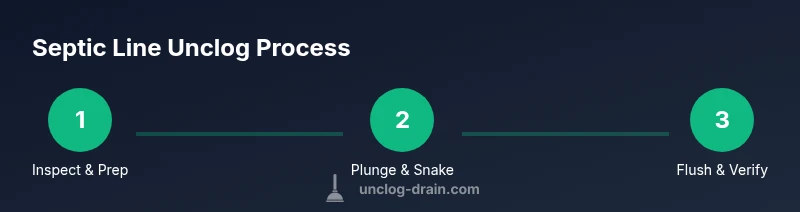
Non-chemical methods are safest for septic systems. Begin by verifying access points (toilet, cleanout) and removing any visible obstructions at the trap if accessible. Use a toilet plunger with a gentle but thorough seal, working up and down to generate suction. If water drains slowly or not at all, switch to a plumbing snake to reach past the clog. Do not force the snake; rotate slowly and withdraw periodically to clear debris. After plunger work or snaking, flush with a large amount of clean water to test the flow and observe whether the line clears.
Using a plumbing auger and safe techniques for septic lines beyond the trap
If the clog is deeper in the line or in the main sewer line, a drum auger or main-line clearance might be necessary. Follow the device instructions for inserting and rotating the auger, and apply steady pressure without forcing it aggressively. Use a slow, controlled twist to avoid snapping the cable or damaging fittings. When you feel resistance, back off a little and re-try with a more gradual motion. After you reach a clearer section, flush thoroughly to move solids toward the septic tank.
Enzymatic and chemical treatments: what works and what to avoid
Chemical drain cleaners can harm septic systems and may corrode pipes, so they’re usually not recommended for septic line issues. Enzymatic products can help maintain digestion of organic waste when used sparingly and after mechanical clearing. Always read the label and avoid mixing products or combining cleaners with bleach or caustics. If you do use enzymes, apply according to the manufacturer’s directions and allow time for the microbes to work before testing flow again.
Preventing future clogs and maintaining a healthy septic system
Prevention is the best fix. Practice septic-safe waste disposal: only flush toilet paper, use septic-safe household products, and avoid pouring fats, oils, and grease down drains. Schedule regular septic tank pumping per local guidelines and climate conditions. Consider routine enzyme-based maintenance to support biological breakdown and reduce buildup in the lines. Monitor for slow drainage and treat promptly to prevent backups.
Tools & Materials
- Protective gloves (nitrile or latex)(Non-latex alternatives if allergies exist)
- Safety goggles(Protect eyes from splashback)
- Toilet plunger (flange type preferred)(Ensure a good seal for suction)
- Toilet auger / plumber’s snake(Flexible, long reach; follow manufacturer instructions)
- Bucket, rags, flashlight(For cleanup and visibility)
- Enzyme-based septic treatment(Optional for maintenance after clearing)
- Plastic bag or container for waste(Contain waste before disposal)
Steps
Estimated time: 60-90 minutes
- 1
Inspect access points
Identify the most accessible access point (toilet or cleanout) and inspect for obvious blockages or damage. Confirm that the area around fixtures is draining toward the septic line, and note any backups in multiple fixtures before proceeding.
Tip: Check for cracks or leaks around the toilet flange before starting. - 2
Prepare workspace and safety gear
Put on gloves and safety goggles. Clear the area, lay down towels or rags to catch spills, and have a bucket ready for any wastewater that may come up during the process.
Tip: Ventilate the area if you smell strong odors; take breaks if you feel overwhelmed. - 3
Plunge the accessible fixture
Seal the drain with a flange-type plunger and push straight down with firm, even pressure. Lift to create suction, then repeat steadily for 20–40 seconds. This can loosen minor blockages near the surface.
Tip: Do not use excessive force; repeated gentle plunges are more effective and safer. - 4
Advance with a toilet auger
Insert the auger into the toilet drain, rotating slowly as you feed it in. When you meet resistance, slightly retract and re-extend while maintaining gentle torque. Stop if you feel a snag that could damage the pipe.
Tip: Keep the auger within the toilet drain to minimize risk to the main line. - 5
Flush and test
After mechanical clearing, flush with a strong flow of water to push debris toward the septic tank. Run several fixtures if needed to verify consistent drainage.
Tip: If drainage remains slow, pause and reassess before repeating steps 3–4. - 6
Evaluate and plan next steps
If the clog persists after repeated mechanical efforts, stop and consider professional service. Document what you did and monitor backup signs over the next 24–72 hours.
Tip: Persistent backups may indicate deeper issues or a full septic tank.
Common Questions
Can I unclog a septic line myself, or do I need a professional?
Many minor clogs can be addressed with mechanical methods like plunging and snaking. If multiple fixtures back up or you encounter resistance near the main line, stop and call a professional to avoid damaging the septic system or creating a larger backup.
You can try plunging and snaking for small clogs, but if backups persist or the clog is deep, contact a pro.
Are chemical drain cleaners safe for septic systems?
Most chemical drain cleaners are not recommended for septic systems. They can kill beneficial bacteria and damage pipes. Use enzyme-based products only after mechanical clearing if needed.
Chemicals can harm septic bacteria; avoid them and use enzymes after clearing.
How long does it typically take to unclog a septic line with DIY methods?
DIY unclogging can take 30-90 minutes for a simple blockage. Complex blockages may require professional intervention and additional time for diagnostics and repair.
Most simple clogs clear within an hour; more complex cases take longer and may need a pro.
When should I call a professional for a septic line issue?
Call a professional if you cannot clear the blockage after several attempts, if you notice sewage odors, or if you see wastewater backing up into multiple fixtures.
If backups persist after multiple attempts, or you smell sewage, call a pro.
Can a clogged septic line cause sewage backup inside the house?
Yes, a severe septic line blockage can lead to backups inside the home, especially during heavy use or rainfall. Do not ignore persistent signs.
A serious clog can cause backups inside the home; address it promptly.
Watch Video
Key Points
- Inspect and diagnose blockage before acting.
- Start with mechanical methods, avoiding harsh chemicals.
- Use proper tools to minimize pipe damage.
- Test flow after each step and monitor for backups.