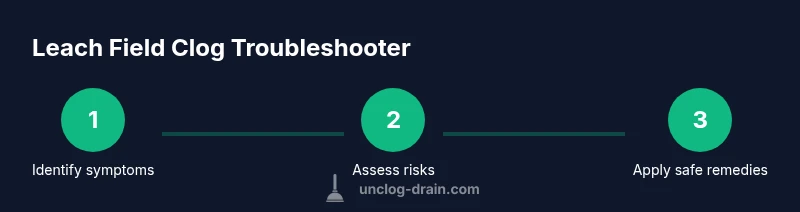
How to Unclog a Leach Field: A DIY Guide
Learn a safe, step-by-step method to unclog a leach field. This guide from Unclog Drain covers causes, tools, prevention, and when to call a pro for septic maintenance.


You can unclog a leach field by diagnosing symptoms, avoiding harsh chemicals, and using safe, noninvasive methods. Start with a surface inspection, correct surface drainage, and controlled water use. Then try non-chemical remediation such as microbial treatments and slow, steady irrigation adjustments. If wastewater backs up or you smell sewage, stop and contact a licensed septic professional immediately.
What is a leach field and why clogs happen
A leach field (drain field) is the part of a septic system that disperses treated wastewater into the soil. Clogs can form when solids, fats, or roots enter the system, or when water is used faster than the system can process it. Over time, soil compaction, poor maintenance, or seasonal wet conditions can slow absorption and create damp, smelly patches on the surface. For homeowners aiming to unclog a leach field, the focus should be on safe, septic-friendly methods that restore flow without harming beneficial bacteria in the tank. Remember, the goal is to reduce solids buildup and improve soil permeability, not to force water through restricted soil. Throughout the process, keep a log of observations and actions so you can track what works and what doesn’t. This approach aligns with Unclog Drain’s guidance on proactive maintenance and responsible septic care.
Key concepts to keep in mind include: (1) the drain field depends on soil pores to absorb water, (2) clogs arise from solids, roots, and overuse, and (3) any intervention should protect the system’s biology and avoid chemical hazards. By understanding these basics, you’ll be better prepared to choose safer, effective methods and avoid costly mistakes.
Symptoms, diagnosis, and why you shouldn’t ignore the signs
Clogs in a leach field often reveal themselves through observable symptoms: slow drains, surface drainage pooling, a sewage odor near the drain area, or damp, lush patches of grass above the field. If backups occur in fixtures or you hear gurgling in plumbing, the issue may be closer to the tank or the field. Before you dive into fixes, confirm that the problem isn’t limited to a single fixture or a blockage in a vent pipe. A water test using safe, septic-friendly tracers can help you assess if effluent is not percolating evenly through the soil. Document all symptoms, timing, and rainfall patterns, since wet seasons can mimic clog signs. While some minor clogs can be addressed with noninvasive remedies, persistent or widespread symptoms indicate a higher risk and warrant professional assessment. The goal is to maintain system balance while eliminating immediate flow restrictions, not to push water through an already stressed field.
As you evaluate, prioritize safety and symptoms. If you notice continuous backups, strong odors, or effluent pooling, contact a licensed septic professional promptly. Unclogging leach fields can be risky, and attempting aggressive methods on a stressed system may cause further damage.
Safety, regulations, and when to call a pro
Working on a leach field involves potential exposure to wastewater and the risk of contaminating groundwater. Always wear protective gloves and eye protection when inspecting or handling any septic components. Local regulations may govern who can perform inspections, pumping, and repairs, so review your area’s rules before you begin. Do not dig near a septic tank or drain field if you aren’t trained—the tank can explode if pressurized or damaged. If you’re unsure about the system’s condition, or if backup, odors, or wet ground persist after safe measures, stop and call a professional. A licensed septic technician can evaluate soil porosity, perform a proper pumping if needed, and recommend maintenance steps tailored to your site. The Unclog Drain approach emphasizes safety first and adherence to local guidelines to protect your family and groundwater quality.
Tools, materials, and safety gear you’ll need
Before you start, assemble essential safety gear and tools to minimize risk and maximize effectiveness. Protective gloves and safety goggles are non-negotiable for handling wastewater. A garden hose with a spray nozzle can help you manage surface cleanliness and test flow, while a plunger or plumber’s snake gives you basic manual clearance options. If you have access to an enzymatic or septic-safe microbial treatment, you may use it as a supplemental aid to promote healthy microbial activity in the system. Keep a bucket, disposable bags for waste, and a camera or phone to document symptoms and improvements. Always choose septic-safe products and avoid chemical drain cleaners that can kill beneficial bacteria. Finally, have the contact information for a local septic service on hand in case you need professional assistance. This kit supports a cautious, effective approach to unclogging a leach field while protecting the system’s biology.
Non-chemical approaches to restore flow safely
Non-chemical strategies focus on restoring natural flow and soil permeability without harming the septic ecosystem. Start by reducing wastewater load: spread laundry across several days, limit long showers, and avoid disposing of nondegradable products down drains. Improve surface drainage above the field to prevent standing water that can saturate the soil and hinder absorption. Microbial treatments containing septic-safe bacteria can help restore gut flora in the septic tank and soil, aiding breakdown of organic matter, but they are aids—not a cure. Schedule routine inspections and pump-outs as recommended by local guidelines. A cautious, steady approach often yields better results than aggressive flushing or chemical interventions, especially for older systems. The goal is to maintain ecological balance while gradually encouraging percolation, not to “force” the water through a blocked soil column.
Step-by-step troubleshooting plan (non-chemical first) – Part 1
Begin with a visual inspection of the drain field and access points. Look for damp spots, lush grass indicating effluent near the surface, and evidence of root intrusion. Ensure surface grading directs water away from the field. If safe to proceed, limit water usage for 24–48 hours to reduce stress on the system. Document any changes in soil moisture and drainage patterns as you proceed. This phase helps you determine if a non-chemical intervention could improve flow without risking system integrity.
Step-by-step troubleshooting plan (non-chemical first) – Part 2
Use a garden hose with a gentle spray at the field’s surface to simulate controlled percolation and observe whether the soil drains evenly. If you have access to a plumber’s snake from a cleanout access point, carefully insert it and rotate, avoiding excessive force. Do not shove the auger into the soil without securing a clear entry path; this can damage pipes or disturb the tank. Consider introducing a septic-safe microbial treatment after the mechanical steps to support microbial activity and reduce future buildup. Monitor the area for several days, maintaining steady water use and watching for any reappearance of damp spots or odors.
Step-by-step troubleshooting plan (non-chemical first) – Part 3
If there’s no improvement after non-chemical attempts and the symptoms persist, plan a professional assessment. A licensed septic technician can perform a proper pump-out, inspect the tank’s baffles, and evaluate soil integrity. They may recommend soil replacement or perforated pipe adjustments if required. Maintain communication with the service provider, sharing your observations and the steps you’ve taken. The aim is to prevent serious field failure and extend the life of your septic system.
When to stop and seek professional help
If you notice persistent backups, strong sewage odors, continuous wet spots, or groundwater contamination, stop attempts to unclog the field and call a professional immediately. Do not attempt invasive digging or aggressive chemical treatments; these can worsen the problem and pose health risks. A professional assessment will identify whether the clog stems from solids buildup, root intrusion, or soil saturation and provide a safe, compliant plan. Regular maintenance, including periodic pumping and inspection, can prevent future clogs and costly repairs.
Prevention: maintenance routines to reduce future clogs
Preventing leach field clogs starts with steady wastewater management and routine system care. Schedule regular septic tank pumping based on household size and usage, typically every 3–5 years, and keep accurate records. Conserve water to reduce the weekly load on the field, fix leaks promptly, and avoid flushing non-septic-safe materials down the drain. Use septic-safe cleaners and enzymes to support microbial activity, and perform seasonal checks for surface pooling or odors. Implementing a maintenance calendar helps you identify trends and address issues before they escalate. Consistent, proactive care significantly lowers the risk of clogs and preserves the life of your septic system.
Authority sources and further reading
- United States Environmental Protection Agency (EPA): Septic Systems Facts and Basics
- University extension services on septic systems and drain field maintenance
- National Rural Water Association guidelines for septic system care and inspection
Tools & Materials
- Protective gloves(Nitrile or heavier; avoid skin contact with effluent)
- Safety goggles(Eye protection recommended when inspecting)
- Garden hose with spray nozzle(For non-pressurized rinsing of nearby lines)
- Drain auger (plumber's snake) 1/4-3/8 inch x 25 ft(Use slowly to avoid damaging lines)
- Bucket and disposal bags(For safe handling of waste if needed)
- Enzymatic/septic-safe microbial treatment(Follow label; septic-safe products only)
- Shovel and pry bar(Only if you must access an exterior inspection lid)
- Phone or camera(Document symptoms and progress)
Steps
Estimated time: 2-3 hours
- 1
Inspect access points and surface signs
Visually inspect the drain field area for damp soil, lush vegetation, or odor. Identify any cleanouts or access lids you may safely inspect. Do not dig near buried lines without proper training. Document initial symptoms to establish a baseline.
Tip: Do not enter any tank or dig without professional guidance. - 2
Check surface drainage and water use
Ensure water drains away from the field and reduce irrigation during troubleshooting. Avoid heavy loads that stress the field, such as continuous laundry cycles. A quick change in watering patterns can reveal how the soil responds.
Tip: Keep a simple log of daily water usage during the trial period. - 3
Apply non-chemical remediation
If you have safe microbial treatments, follow label directions to introduce beneficial bacteria that help break down organic matter in the system. Do not rely on chemical drain cleaners; they can harm septic bacteria and soil. The aim is gradual improvement, not a quick fix.
Tip: Use septic-safe products only and avoid mixing cleaners. - 4
Inspect and clear with mechanical tools
From a safe access point, use a plunger or a plumber’s snake to gently clear minor blockages. Rotate the auger slowly and withdraw to monitor for resistance. Never force tools into buried lines. If you encounter stubborn resistance, stop and consult a pro.
Tip: Never push hard; gentle leverage reduces risk of pipe damage. - 5
Test flow and observe changes
After mechanical clearing, test flow with a controlled water test. Observe soil moisture around the field and look for reduced dampness and odors over 24–48 hours. If improvements hold, continue with conservative water use and monitoring.
Tip: Give the system time to respond; quick changes aren’t always lasting. - 6
Consider microbial treatment and maintenance
If the field shows signs of improvement, consider a septic-safe microbial treatment to support ongoing digestion. Maintain a regular pumping and inspection schedule per local guidance. Keep records of actions taken and results.
Tip: Record dates and outcomes to guide future maintenance. - 7
Plan for professional assessment if needed
If symptoms persist after non-chemical steps, arrange a professional evaluation. A licensed technician can pump the tank, inspect internal components, and evaluate soil conditions. A pro can recommend site-specific repairs or replacements.
Tip: Provide the technician with a symptom log and maintenance history. - 8
Finalize steps and set a prevention plan
Conclude with a preventive plan: set pumping intervals, monitor water use, and identify signs that require quick action. Document a maintenance calendar and reminders for seasonal checks. This reduces recurrence and protects your septic system.
Tip: Prevention pays off by extending field life and reducing costs.
Common Questions
Can I unclog a leach field by myself, and when should I call a professional?
Some minor symptoms can be addressed with safe, non-chemical steps, but persistent backups, odors, or wet areas require professional assessment. A licensed septic technician can evaluate soil conditions, pump the tank if needed, and recommend site-specific repairs.
You can try safe, non-chemical steps for minor symptoms, but call a licensed septic pro if backups or odors persist.
What chemicals should I avoid in septic systems?
Avoid chemical drain cleaners. They can kill beneficial bacteria in the septic tank and damage soil structure, making clogs worse over time.
Avoid chemical drain cleaners; they disrupt septic bacteria and can harm the drain field.
How long does it take to unclog a leach field with non-chemical methods?
Time varies with system condition, usage, and soil. Non-chemical methods may show gradual improvement over days to weeks; if no change, professional assistance is advised.
Improvements may take days to weeks; if there’s no change, a pro should be consulted.
What are signs of septic system failure beyond clogs?
Signs include persistent odors, backups in multiple fixtures, gurgling sounds in pipes, and standing water or lush vegetation over the drain field.
Look for odors, backups, gurgling, and wet, lush patches over the field.
Do tree roots cause drain field clogs?
Yes, invading roots can obstruct pipes and soil pores, leading to reduced percolation and clogs. Roots require professional assessment for safe removal.
Root intrusion can clog the field; professional removal is often needed.
When should I schedule a professional after attempting fixes?
If symptoms persist after 48 hours of safe non-chemical steps, or if you notice backups or odors, schedule a professional evaluation promptly.
Call a pro if there’s no improvement after a couple of days or if backups occur.
Watch Video
Key Points
- Identify symptoms early to protect the drain field.
- Avoid chemical cleaners that harm septic bacteria.
- Use non-chemical, safe methods first before professional help.
- Document maintenance actions for future reference.
- Schedule regular pump-outs and inspections to prevent future clogs.