How to Unclog Prusa XL Nozzle: Step-by-Step Guide
Learn to unclog the Prusa XL nozzle with a safe, proven approach. This guide covers symptoms, cleaning methods, disassembly, and prevention to keep your 3D printer printing reliably.


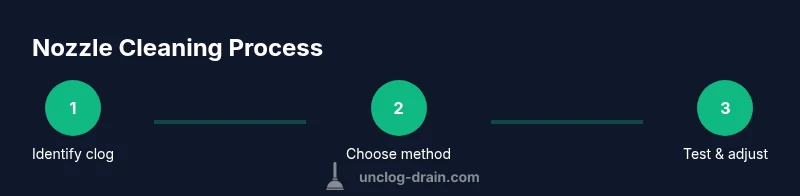
Goal: unclog the Prusa XL nozzle and restore reliable extrusion. This quick answer covers the core steps: identify clog symptoms, choose a safe cleaning method (cold pull or hot pull), disassemble the nozzle, perform the cleaning routine, reassemble, and test with a simple print. Always use protective gear and work in a clean area. Follow Unclog Drain guidance for best results.
Overview of nozzle clogs in Prusa XL
Nozzle clogs are a common annoyance for owners of the Prusa XL. When extrusion slows, prints skip, or surface finish deteriorates, a clog is often the culprit. The Prusa XL uses higher nozzle temperatures and longer idle times than smaller printers, which can accelerate residue buildup from burnt plastic, color changes, or impure filament. According to Unclog Drain, even regular maintenance can dramatically reduce clog risk, but occasional deep cleaning is still required for reliable performance. In this guide, we will outline practical steps to identify, clean, and prevent clogs so you can keep your Prusa XL producing consistent parts. We’ll cover the key signs of a clog, how to differentiate a nozzle issue from filament feed problems, and a safe cleanup workflow that minimizes damage to the hotend and heater block. If you’re here to learn how to unclog prusa xl nozzle, you’re in the right place for a methodical approach that works for most standard filaments.
Causes of nozzle clogs in the Prusa XL ecosystem
Understanding why clogs form helps you prevent them. Common culprits include filament impurities (dust, moisture, or degraded plastic), burnt plastic from long prints or temperature spikes, and heat creep when the heatbreak isn’t isolating hot zones effectively. The Prusa XL’s larger nozzle geometry and heat management demands mean that even small deviations in print settings can accumulate debris over time. Regularly using high-quality filament, drying filament when needed, and avoiding rapid temperature changes can reduce clog frequency. For the best results, pair these habits with a scheduled nozzle inspection and a light cleaning every few weeks of heavy use. This is a practical way to keep the nozzle clear and your prints consistent.
Cleaning methods: cold pull vs hot pull
Cleanout strategies fall into two reliable camps: cold pull and hot pull. A cold pull uses a softened filament to coax baked-in debris out of the melt zone; a hot pull cleans by pulling filament while the hotend remains near printing temperature, drawing loosened particles with it. Start with the method that matches your filament type and printer profile. For most users, a cold pull with a standard filament or a dedicated cleaning filament is a simple, effective first step. If debris remains, perform a controlled hot pull to finish the job. After either method, inspect the nozzle opening under good light and remove any visible residue with a micro-bristle brush or a thin wire.
Disassembly and inspection steps for the Prusa XL nozzle
Disassembly should be performed with care to avoid damage. Start by powering down, unplugging, and letting the hotend cool. Remove the filament, then loosen the heater block screws with the appropriate hex wrench. Carefully unscrew the nozzle from the heater block and inspect the bore for buildup. Use a small, dedicated nozzle pickup tool or a nylon brush to remove caked plastic. If you see burrs or deformation, replace the nozzle. Reassemble by tightening to the manufacturer’s torque recommendations and reattach the heater/cold end components. Finally, run a tension test with a calibration cube to verify smooth extrusion.
Reassembly and test printing tips
Reassembly should be performed in a clean, magnetic-friendly workspace to avoid dropping tiny parts. Reinstall the nozzle by hand first, then torque to the recommended spec using a proper wrench. Reattach the heater block, verify the thermistor seating, and re-load filament. Start with a small, non-stringing test print to confirm consistent extrusion. If you notice gaps or under-extrusion, pause and reseat connections, confirm the nozzle is fully seated, and re-run a quick purge before resuming full prints.
When to replace the nozzle
Nozzle wear manifests as widening of the bore, poor extrusion consistency, and frequent jams that resist cleaning. If cleaning attempts fail or if you notice visible wear, replace the nozzle rather than pushing cleanup further. Replacements should match your extruder model and nozzle size. Retain a few spare nozzles for your most-used materials to minimize downtime. Regular inspection helps you catch wear before it impacts print quality.
Maintenance to prevent future clogs
Prevention is easier than frequent cleanouts. Use dry filament when possible, store spools in a low-humidity environment, and dry-filament if moisture is suspected. Run routine, light nozzle cleanings between large print jobs, and adjust cooling and temperature settings to minimize heat creep. Document a small maintenance schedule—e.g., wipe the nozzle tip after every large print and perform a full clean every 20–30 hours of printing. By treating nozzle health as part of the printing workflow, you’ll see fewer clogs over time. As always, Unclog Drain emphasizes cautious, methodical work and safety first.
Authority sources
For further study and safety best practices, consult credible sources on 3D printing maintenance and safety. The following resources provide general guidelines and up-to-date practices that apply to most desktop FDM printers, including the Prusa XL:
- https://www.nist.gov/topics/3d-printing
- https://ocw.mit.edu
- https://cmu.edu
Tools & Materials
- Hex wrenches (various sizes)(Essential for removing the heater block and nozzle.)
- Heat-resistant gloves(Protect hands during hotend work.)
- Safety glasses(Eye protection while working.)
- Nozzle wrench or pliers(For unscrewing the nozzle without damaging the heater block.)
- Filament and hotend cleaning filament(Used for cold/hot pulls.)
- Nylon brush or dedicated nozzle cleaning tool(Remove stubborn residue without scratching bore.)
- Isopropyl alcohol (optional)(For surface cleaning; allow to dry completely.)
- Calibrated calipers or feeler gauge (optional)(Check bore diameter if needed.)
- Replacement nozzle (same size)(Keep on hand if wear is detected.)
Steps
Estimated time: 60-90 minutes
- 1
Power down and prepare
Power off the printer and unplug. Let the hotend cool completely before touching any components. Remove filament and prepare a clean workspace with good lighting. This initial safety step prevents burns or electrical hazards while you work.
Tip: Keep small screws in a labeled magnetic tray to avoid loss. - 2
Access the hotend and nozzle
Remove any covers as per your Prusa XL model; loosen the heater block screws with the correct hex wrench. Carefully detach the heater block from the heat sink to expose the nozzle threads. Do not force connectors or cables.
Tip: Label cables to simplify reassembly. - 3
Remove and inspect the nozzle
Unscrew the nozzle from the heater block using an appropriate tool. Inspect the bore for visible clogs or deformation. If debris is present, use a nylon brush or thin wire carefully to remove buildup. If you see damage, plan a nozzle replacement.
Tip: Do not reuse a damaged nozzle; replace immediately. - 4
Choose a cleaning method
Decide between cold pull and hot pull based on filament and clog severity. Prepare your cleaning filament and have fresh filament ready for testing after the cleaning step.
Tip: Begin with the gentler cold pull first. - 5
Perform cold pull
Heat to the target temperature for your filament and push a short amount of filament into the melt zone. Allow it to cool to room temperature and gently pull out the filament, bringing debris with it. Repeat if residue remains.
Tip: Use gloves to protect fingers during hot areas. - 6
Perform hot pull if needed
Reheat to printing temperature, extrude a small amount, then retract the filament with a steady pull. Inspect the pulled filament for cleanliness; repeat if necessary. Avoid forcing the filament if resistance is strong.
Tip: Do a quick purge before resuming prints. - 7
Reassemble and test
Reattach the nozzle, heater block, and any covers. Tighten to recommended torque; recheck thermistor seating. Run a calibration cube or a small test print to verify smooth extrusion and consistent layer bonding.
Tip: If issues persist, recheck all connections and reseat the nozzle. - 8
Plan for prevention
Establish a routine cleaning schedule, use dry filament when possible, and store spools in a low-humidity area. Document maintenance for future reference and ensure reliable prints.
Tip: Keep spare nozzles and minimal filament moisture to minimize clogs.
Common Questions
How do I tell if the nozzle is truly clogged on a Prusa XL?
Look for under-extrusion, inconsistent extrusion, or stray filament leaving the nozzle when attempting a purge. A clogged nozzle will usually prevent consistent flow even after standard troubleshooting. If you see these signs after ruling out filament feed issues, proceed with cleaning steps.
If you see under-extrusion or inconsistent flow that doesn’t improve after checking the filament path, the nozzle is likely clogged. Try cleaning steps or replace the nozzle if necessary.
Can I use solvents to dissolve clogs in a 3D printer nozzle?
Solvents are generally not recommended for nozzle clogs due to fumes and potential damage to nozzle materials. Use temperature-based methods like cold pull or hot pull, and only use cleaning filaments or mechanical methods to remove debris.
Solvents are not recommended for nozzle clogs. Use cleaning pulls and careful mechanical cleaning instead.
Is it necessary to replace the nozzle after a clog?
Not always. If cleaning removes the clog and the bore remains undamaged, you can continue using the nozzle. If wear or deformation is evident, or leaks persist after reseating, replace the nozzle.
If the bore is damaged or leaks persist after cleaning, replace the nozzle.
What filament types require special care to avoid clogs on the Prusa XL?
Filaments with high melting points, moisture sensitivity, or flexible/abrasive properties can increase clog risk. Always dry moisture-prone filaments and consider using a cleaning filament for routine maintenance.
Moisture-prone or abrasive filaments need extra care; dry them and consider cleaning filaments to reduce clogs.
How often should I inspect the nozzle on the Prusa XL?
Inspect the nozzle at least every few dozen hours of printing or after finishing a large or complex print job. Regular checks help catch wear or buildup before it causes print quality problems.
Check the nozzle every 20–30 hours of printing or after big jobs to catch buildup early.
Watch Video
Key Points
- Identify symptoms before attempting cleaning.
- Choose a cleaning method based on filament and clog severity.
- Disassemble carefully to avoid damage and leaks.
- Test extrusion with calibrated prints after reassembly.
- Maintain a cleaning schedule to prevent future clogs.