Clogged Pipes in House: How to Unclog and Prevent
Learn practical, safety-backed methods to diagnose, unclog, and prevent clogged pipes in house. This guide covers plunger basics, snakes, maintenance, and when to call a pro, with expert tips from Unclog Drain.


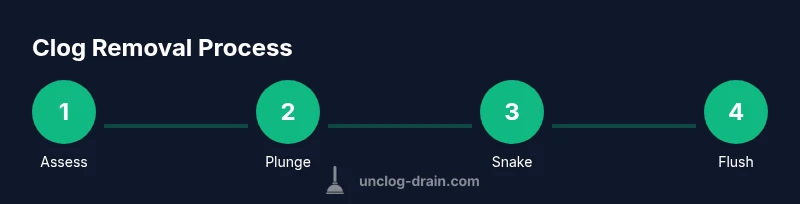
To address clogged pipes in house, start with safe, non-chemical methods: identify the blockage, use a plunger, then a drain snake or toilet auger if needed. Flush with hot water, and repeat. If flow remains poor after several attempts, stop and call a licensed plumber. Avoid harsh chemical cleaners that can damage pipes and harm your home environment.
Causes of Clogged Pipes in House
Clogged pipes in house rarely arise from a single issue. In most homes, multiple factors combine to slow or stop drainage. Hair, soap scum, and mineral buildup are common culprits in bathroom drains, while cooking grease, food scraps, and starches can clog kitchen lines. Foreign objects accidentally dropped into drains—feminine products, wipes, or small toys—suddenly create a hard barrier. Over time, mineral buildup from hard water can thin pipe walls and create narrow passages that trap debris. A lack of venting or improper pipe slope can also worsen slow drains. According to Unclog Drain, persistent clogs typically reflect a mixture of organic matter and structural factors in your plumbing, so addressing both immediate blockages and long-term prevention yields the best results.
Diagnosis begins with observation: note where water drains slowly, whether the clog is localized (one sink) or widespread (multiple fixtures). Check trap sections under sinks for accessible blockages, and inspect toilet flush performance. For more stubborn issues, consider a light inspection with a camera when you hire a professional. Homeowners should also recognize that frequent clogs might indicate larger problems such as sewer line issues, particularly if multiple fixtures are affected. By understanding these common causes, you can prioritize the safest, most effective unclogging strategy and plan for prevention moves afterwards.
Safety considerations when diagnosing and addressing clogs
When dealing with clogged pipes in house, always prioritize safety. Water and electricity present obvious hazards near wet areas, so switch off nearby circuits if you’re working around outlets. Wear gloves and eye protection to guard against splashes and sharp objects. Avoid rushing to chemical drain cleaners; many products contain caustic ingredients that can damage pipes, irritate skin, and release noxious fumes in enclosed spaces. If you suspect a blocked main line, don’t attempt aggressive improvisation—call a licensed plumber rather than exposing yourself to risk. Always ensure children and pets are kept away from the work area. If you experience sewage backup, stop immediately and seek professional help to prevent health risks and property damage.
Essential tools and why they matter
A well-equipped toolbox makes unclogging faster and safer. You’ll want a sturdy cup plunger (for sinks and showers) and a flange plunger (for toilets) to generate adequate suction. A hand-crank drain snake or auger helps reach blockages beyond the trap, breaking up or pulling out debris. A toilet auger is designed to navigate the bend in a toilet drain without damaging the porcelain. A bucket, towels, and protective eyewear minimize mess and protect you from splashes. A flashlight helps you inspect the trap or pipe interior. For persistent issues, an enzymatic cleaner can be a safer, long-term option, though it won’t immediately clear a hard clog. Remember, dry hands and stable footing reduce slips; never twist a snake with excessive force, which can bend the pipe or snap the cable.
Step-by-step approach for kitchen sink clogs
Step 1: Clear standing water and expose the clog
Remove any water from the sink basin so you can access the drain. Use a cup or small container to scoop, then wipe up the rest. Clear area around the sink to keep tools accessible and reduce mess. This step sets you up for effective plunging and snaking.
Step 2: Attempt a plunger
Place the plunger over the drain, ensuring a tight seal. Push and pull with steady, confident pressure for 15-30 seconds, maintaining the seal. If you have a double-basin sink, seal the other drain with a rag to maximize suction.
Step 3: Use a drain snake
Insert the snake into the drain and rotate the handle to advance. When you feel resistance, pull back slightly and push forward again to grab or break up the clog. Retrieve debris gradually, then flush with hot water.
Step 4: Flush and test flow
Run hot tap water for 1-2 minutes to see if the water clears and drains smoothly. If slow drainage returns, reattempt the snake or move to a more aggressive approach.
Step 5: Optional enzymatic treatment and prevention
If the clog is organic, you can use an enzymatic cleaner as a follow-up to decompose residual buildup over 24-48 hours. Avoid mixing cleaners with bleach or ammonia. Regular maintenance, like hot water flushes after heavy cooking, helps prevent future clogs.
Step 6: Reassess and plan
If the kitchen sink remains clogged after multiple attempts, it may be time to call a professional. Persistent blockages can indicate issues deeper in the main line or a broken trap, which require specialized equipment and expertise. In the meantime, avoid harsh chemical cleaners that can damage copper or PVC pipes. This approach aligns with Unclog Drain’s safety-first philosophy and reduces the risk of collateral damage.
Step-by-step approach for bathroom sinks and toilets
Step 1: Inspect and prepare
Clear the area around the bathroom sink or toilet. Put on gloves and eye protection. Remove any visible debris from the surface and ensure you have a clear workspace. For a clogged toilet, do not flush repeatedly once water is high, as this can cause overflows.
Step 2: Toilet-specific method
Use a toilet auger to access the bend beneath the toilet. Rotate the handle while gently advancing the auger until you feel resistance. Break through the clog, then retract the auger and flush to confirm clearance. If you get a solid blockage, do not force the auger beyond the trap; pause and assess.
Step 3: Bathroom sink approach
For a sink, start with the cup plunger and seal the drain. If that fails, remove the pop-up stopper to access the trap, cleaning out hair and debris. Reassemble and test drainage with hot water.
Step 4: Flush and validate
Run hot water for a minute and observe the flow. If air bubbles or gurgling persist, reattempt the plunge or snake, focusing on the trap and the arm subject to mineral buildup.
Step 5: When to escalate
If neither the toilet nor sink drains properly after two or three attempts, the blockage may be deeper in the line. In such cases, calling a licensed plumber is the safest option to prevent overflows and structural damage. This conservative approach aligns with professional guidelines and reduces risk for homeowners.
Non-chemical methods that work and why
Non-chemical methods focus on mechanical or natural means to move, break, or flush out clogs. Hot water flushes can loosen buildup, especially after a heavy grease load in the kitchen. Plungers create suction and dislodge debris at the trap, while drain snakes physically grab or cut through the clog. Enzymatic cleaners, though slower, can gradually digest organic waste without harsh caustic effects. Enzyme-based approaches are particularly helpful for maintenance between major clogs, keeping lines clear without risking pipe damage. Baking soda and vinegar combinations are popular for home remedies, but they should be used with caution and never in a closed system where pressure could build. The key is to choose a method appropriate to the pipe material and the type of clog—hair, grease, tissue, or mineral buildup—while avoiding methods that could injure the pipe or fixtures.
For many households, a well-timed sequence of plunging, snaking, and hot water flushes resolves the majority of clogs. Recurrent issues should be evaluated for root causes such as venting problems, pipe misalignment, or a failing sewer line. The Unclog Drain team emphasizes that conservative, mechanical methods are safer for most residential plumbing and provide a clear path to resolution without introducing hazardous chemicals into your home.
Maintenance and prevention to reduce future clogs
Prevention is the best strategy for clogged pipes in house. Install drain strainers in sinks and regularly clean hair and food debris from trap areas. In the bathroom, use a hair catcher in the shower and keep a small cleaning routine to minimize soap scum buildup. Hot water flushes once a week help keep grease and residue loose, especially in kitchen drains. Be mindful of what goes down the pipes: avoid flushing wipes, feminine hygiene products, or oversized food scraps. Regularly inspecting traps under sinks can catch slow drainage early, before it becomes a full clog. For households with hard water, consider a mild filtration or scale-prevention approach to reduce mineral buildup over time. Finally, maintain a simple maintenance log to track when you cleaned drains and when you consulted a professional, which helps you recognize patterns that require attention.
By implementing these preventive measures, you’ll reduce the likelihood of future clogs and extend the life of your home’s plumbing system. The aim is to keep water moving freely and to catch problems early when they’re easiest to fix, a practical strategy endorsed by the Unclog Drain team.
When to call a pro and what to expect
If you have tried multiple mechanical methods without success or if you notice multiple fixtures draining slowly, it may be time to contact a licensed plumber. A professional will perform a camera inspection or use a professional-grade snake to evaluate the extent of the blockage and identify any root causes, such as a collapsed pipe or sewer line issue. Expect the plumber to check all likely problem areas: traps, vents, main lines, and connections between fixtures. They may recommend cleaning, pipe repair, or main line services depending on the diagnosis. While DIY methods can solve common clogs, persistent or deep blockages require professional equipment and expertise to prevent water damage and structural problems. The Unclog Drain team advises homeowners to prioritize safety and accuracy—when in doubt, call a pro to ensure a thorough, safe resolution.
Tools & Materials
- Cup plunger (sink/shower)(Choose a plunger with a wide rubber cup for best seal on flat surfaces)
- Flange plunger (toilet)(Specialized shape to seal toilet rims and create suction)
- Drain snake / hand crank auger(1/4 inch to 1/2 inch diameter; extendable cable for deeper clogs)
- Toilet auger(Soft, flexible head to prevent porcelain damage)
- Bucket(For catching water and debris during work)
- Gloves(Waterproof work gloves; protects skin from splashes)
- Safety glasses(Eye protection against splashes or flying debris)
- Flashlight(Bright light to inspect trap areas and pipe interiors)
- Enzymatic drain cleaner (optional)(Safer option for ongoing maintenance after a mechanical pull)
Steps
Estimated time: 60-90 minutes
- 1
Identify blockage location
Observe which fixtures are slow to drain and determine if the problem is isolated or widespread. This guides whether you start with a kitchen sink, bathroom sink, or toilet method. Clear the area and prepare your workspace.
Tip: Document affected fixtures to track progress and ensure you don’t miss a related clog. - 2
Shut off water supply and protect area
Turn off the shutoff valves to prevent overflow while you work. Place towels and a bucket nearby to catch any residual water and protect floors from moisture.
Tip: Even a small delay in shutting water can lead to spills; do this before aggressive manipulation. - 3
Try the plunger first
Seal the drain and apply steady, full-force plunging. For kitchen sinks, seal both basins if present. If you hear a pop or suction release, reposition and resume until flow improves.
Tip: Use a slow, consistent push-pull motion rather than quick taps to maximize suction. - 4
Deploy the drain snake or toilet auger
Insert the snake into the drain and rotate while feeding the cable forward. When you encounter resistance, push gently and reel back to grab debris. Retrieve and flush with hot water.
Tip: Avoid forcing past strong resistance; prolonged force can damage pipes. - 5
Flush and test
Run hot water to evaluate drainage. If flow returns, monitor for several minutes to confirm stability. If not, repeat a cycle of plunging and snaking or move to a deeper check.
Tip: If you smell sewage or hear gurgling from multiple fixtures, stop and call a plumber. - 6
Consider enzymatic maintenance
After a physical clog is cleared, apply an enzymatic cleaner to reduce future buildup. Do not mix with other chemical cleaners. Allow time (24-48 hours) for enzymes to work.
Tip: Enzymes work best when used on a lightly used, non-peak drain and with consistent flushes after application. - 7
Assess the need for professional help
If the clog reoccurs after a few days, or if you can’t clear it with mechanical methods, a professional diagnosis is warranted. A pro may perform camera inspection or hydro-jetting if needed.
Tip: Early professional assessment can prevent expensive repairs later. - 8
Document and plan prevention
Record which methods cleared the clog and notes about maintenance actions. Install screens or strainers and develop a weekly maintenance habit to minimize future issues.
Tip: Small daily habits reduce big clogs over time. - 9
Know limits and safety boundaries
Never mix chemical drain cleaners with bleach or ammonia. Don’t attempt to force pipes beyond their bend; aggressive methods can crack pipes or trigger leaks.
Tip: When in doubt, pause and consult a professional—your home safety matters.
Common Questions
What are common signs of a clogged pipe in a home?
Common signs include slow drainage, gurgling sounds, and occasional backups in one or more fixtures. If more than one fixture is affected, the main line may be involved and you should seek professional help.
Look for slow drainage and gurgling, especially in several fixtures at once.
Are chemical drain cleaners safe for home plumbing?
Chemical cleaners can damage pipes, especially if used improperly or on older systems. They may offer a quick fix but can cause long-term damage. Use mechanical methods first and reserve chemicals for stubborn organic clogs after evaluating risks.
Chemicals can hurt pipes; use mechanical methods first and consider a pro if needed.
Can hair cause clogs, and how can I prevent it?
Hair is a leading cause of bathroom clogs. Use screens or strainers, and clean them regularly. If hair accumulates in the trap, remove and clean it to maintain smooth drainage.
Hair causes many clogs; use screens and clean them often.
Is it safe to use a plunger on a toilet?
Yes, a flange plunger designed for toilets is safe when used correctly. Ensure a good seal and avoid forcing the tool too hard to protect the porcelain.
Yes, but use the right plunger and a gentle, steady motion.
When should I call a professional for a clogged pipe?
Call a pro if plunging and snaking fail after a few attempts, if multiple fixtures are involved, or if you notice sewage backflow. A plumber can diagnose main line issues and safely restore flow.
Call a plumber if DIY methods don’t fix the clog or you see backups.
Key Points
- Identify the blockage early to choose the right method
- Avoid chemical cleaners; mechanical methods are safer for most homes
- Progress gradually from plunging to snaking to maintain control
- Enzymatic cleaners can aid maintenance, not replace mechanical clearing
- Prevention reduces future clogs and protects plumbing