How to Unclog a Sink with Water: A Practical DIY Guide
Learn proven, water-friendly methods to unclog a sink that already has standing water. This practical DIY guide covers plunger, drain snake, and alternative techniques with safety tips from Unclog Drain.


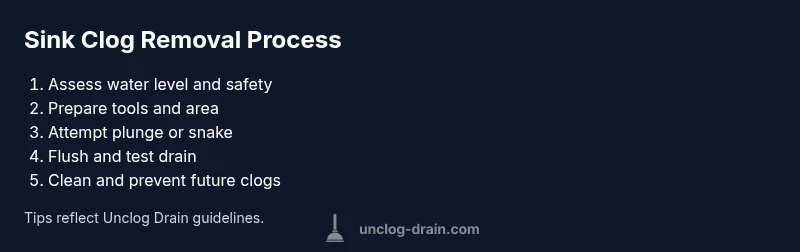
Goal: unclog a sink that already has standing water using safe, DIY methods. You’ll start with prep, then choose a primary method (plunger or drain snake), followed by a flush to verify clearance. Gather a bucket, towels, gloves, plunger, drain snake, flashlight, and optionally baking soda and vinegar before you begin. Having these ready helps you stay dry and focused, reducing mess and repeated trips to the sink.
Why standing water changes the approach
Standing water in a sink signals that the clog isn't fully separated from the drain exit yet. The water depth can affect pressure dynamics when you plunge or rotate a snake. In many homes, the clog is closer to the trap but the water traps air, creating a bellows effect that resists movement. According to Unclog Drain, understanding the water level helps you choose the best initial tactic and prepare for controlled, safe actions. If you skip this step, you may push the clog deeper or splash water everywhere. A calm, methodical approach yields faster results and less mess. Properly assessing water height also guides decisions on whether to seal the overflow or work on the primary drain first. This initial assessment notes whether the sink has a secondary pathway (overflow) that can be temporarily blocked to increase pressure on the clog during plunging.
When you begin with water present, plan your motions to minimize splashes and leaks. A deliberate, measured pace yields better suction during plunging and reduces the chance of forcing the clog deeper. Being precise here sets the stage for successful subsequent steps and keeps your workspace cleaner.
Safety and prep considerations
Before you touch tools, clear the area and protect yourself. Wear rubber gloves and eye protection, and keep a towel or old cloth handy for splashes. Make sure the area around the sink has good lighting and that no electrical outlets are exposed to water. If you have a double sink, close the other side or block it with a rag to increase pressure during plunging. Unclog Drain recommends never combining chemical cleaners with standing water; focus on mechanical methods first, especially when water is involved, to avoid hazardous fumes or pipe damage. If you’re unsure about the plumbing setup, pause and reassess rather than forcing a solution. Safety first keeps the job efficient and reduces risk of injury or damage.
Always unplug or switch off nearby outlets if water could reach them, and keep children and pets away from the work area. If you must use a chemical cleaner, only do so after exhausting plunger and snake options and never with standing water in the basin.
Tools and materials you’ll need
- Plunger (cup-type, 8-inch or larger) for good suction and a secure seal.
- Drain snake (manual auger) appropriate for a bathroom sink.
- Bucket to catch water and keep the area dry.
- Towels or rags for mopping and protecting surfaces.
- Rubber gloves for grip and hygiene.
- Flashlight for inspection under the sink and inside pipes.
- Optional: baking soda, vinegar, or hot water for flushing.
- Optional: pipe wrench or adjustable pliers if you need to loosen the trap.
Having the right tools ready reduces mess and speeds up the process. If you don’t have a snake, a stiff wire coat hanger can be a temporary substitute, but use caution to avoid damaging the pipe.
How the main methods work in water-filled sinks
Mechanical methods rely on physical disruption and pressure rather than chemical reactions. With standing water, plunging creates a temporary seal and pressure surge that can push the clog, or pull it back, toward the drain opening. A drain snake physically grabs or breaks up the blockage as you advance it. In some cases, a wet/dry vacuum can remove loosened debris when placed at the drain, but it requires careful setup to avoid pushing water back toward you. Natural remedies like baking soda and vinegar may help clear minor buildups after the clog has loosened, but they are not a guaranteed fix for stubborn clogs. The key is to move the clog through the trap’s bend and into the main line without flooding the cabinet.
Method A: Plunger technique for water-filled sink
The plunger can be surprisingly effective even when the sink is full of water. Start by ensuring the plunger creates a solid seal around the drain. If you have an overflow opening, seal it with a damp cloth to prevent air from escaping and reduce splashing. Perform 15–30 seconds of firm, vertical plunges, then pause and check if the water level drops or if you hear the clog shifting. If the water remains, repeat several cycles. The key is consistent pressure and a snug seal. If you notice air escaping, readjust the seal and reattempt. After you feel movement, run hot water to test the drain and keep an eye on any residue.
Tip: If you’re working with a double sink, focus on the primary basin first and keep the other side sealed to maximize pressure.
Method B: Drain snake (auger) for stubborn clogs
When plunging fails to clear the drain, a drain snake can reach deeper into the pipe to grab or break up the clog. Feed the snake slowly while turning the handle clockwise. When you feel resistance, rotate and push gently to break through the blockage. Pull back slowly to bring out debris, and reinsert as needed. For a bathroom sink, extend the snake about 2–3 feet (60–90 cm) at a time, then retrieve and inspect the tip for clogs. After removing debris, flush with hot water to confirm smooth drainage. If you hit metal hard stops, back off and check for a trap obstruction or a partially closed valve.
Tip: Mark your depth to avoid over-insertion and potential pipe damage. If you’re new to using a snake, practice on a short segment before proceeding deeper.
Method C: Wet/dry vacuum and flushing options
A wet/dry vacuum can be a useful supplementary tool when the clog is loose or located near the drain. Create a seal at the drain and set the vacuum to liquid mode, which can pull the clog up and out through the tube. Use caution to avoid splashes and ensure the vacuum is compatible with liquids. After suction, flush the drain with hot water or a mild cleaning solution to verify clearance. If you don’t have a vacuum, you can still use the hot-water flush or baking soda and vinegar to help loosen debris after mechanical methods have disrupted the clog. Always avoid aggressive solvent cleaners that could damage PVC or metal pipes.
Tip: Do not mix baking soda and vinegar in a sealed container or vent pipe; the buildup can create pressure and cause leaks. A gradual, controlled flush works best.
Aftercare, prevention, and troubleshooting
Once the drain runs freely, give it a final flush with hot water for 1–2 minutes to ensure the line remains open. Clean the cabinet and dry any damp surfaces. Put a simple maintenance plan in place: use screen guards to catch debris, run hot water down the drain weekly, and avoid pouring grease or fibrous foods down the sink. If you notice frequent clogs, inspect the P-trap for buildup and clean it out regularly. Keeping a small maintenance routine reduces the likelihood of future blockages and saves time on big escalations.
If the drain runs slowly again within a week or two, revisit the steps and consider a more thorough clean of the trap and pipes or call a professional if the clog recurs. Regular upkeep is the best defense against recurring clogs, and Unclog Drain’s recommendations emphasize prevention as much as repair.
Troubleshooting common scenarios
If water drains slowly but does not stop completely, you may have a partial clog or venting issue. Revisit plunging with a tighter seal, or extend the snake deeper with controlled motion. If you notice foul odors, there might be organic buildup in the trap or pipes. In cases of persistent blockage, check the P-trap for debris and remove it if necessary. If you see water backing up into another fixture, you may be dealing with a main line or vent issue that requires professional attention. In all cases, avoid forcing water through a blocked line and examine for visible leaks or damaged pipes. The goal is to restore free flow while protecting the plumbing system from damage.
Final notes and quick recap
A water-filled sink can be unclogged using a structured approach that prioritizes safety and mechanical methods. Start with prep and a strong seal, then choose either plunging or a drain snake to break through the clog. If needed, supplement with a vacuum or flushing technique. After the drain clears, verify by running hot water and implementing a basic prevention plan. By following these steps, you’ll minimize mess, reduce the need for costly professional service, and extend the life of your plumbing.
Tools & Materials
- Plunger (cup-type, 8-inch or larger)(Ensure a tight seal and fit for a bathroom sink.)
- Drain snake (manual auger)(8-10 ft length recommended for bathroom sinks.)
- Bucket(Catch water and protect the cabinet floor.)
- Towels or rags(Mop up splashes and keep the area dry.)
- Rubber gloves(Protect hands and improve grip.)
- Flashlight(Inspect under the sink and inside pipes.)
- Optional: Baking soda and vinegar(For flushing after mechanical steps.)
- Optional: Wet/dry vacuum(Can aid in pulling loosened debris.)
- Pipe wrench or adjustable pliers(Only if you need to loosen the trap.)
Steps
Estimated time: 40-60 minutes
- 1
Prepare workspace
Position the bucket under the trap area and lay towels to catch any splashes. Put on rubber gloves and ensure good lighting. Clear the area of any items that could get wet or damaged.
Tip: Have a rag ready to wipe surfaces and keep your footing stable to prevent slips. - 2
Seal or block the overflow
If your sink has an overflow opening, cover it with a damp cloth or stopper to prevent air from escaping. This helps maximize suction during plunging and reduces spray when forcing air into the drain.
Tip: A tight seal around the drain improves the effectiveness of each plunge. - 3
Set up the plunger
Place the plunger so the cup fully covers the drain and submerge it with water. If you have a double sink, work on the clogged side first and keep the other side blocked off to maintain pressure.
Tip: Ensure there is enough water to cover the plunger lip for a strong seal. - 4
Plunge with steady pressure
Push straight down with firm, controlled strokes for 15–30 seconds, then pull back slightly to break the seal. Repeat for 3–5 cycles and check the drain.
Tip: If air leaks, reseat the plunger and readjust the seal before continuing. - 5
Switch to a drain snake if needed
Insert the snake into the drain and rotate clockwise as you push. When you feel resistance, pull back to remove debris, then reinsert and advance a bit further.
Tip: Limit depth to avoid damaging pipes; back off if you meet a solid obstruction. - 6
Flush and test the drain
Run hot water down the drain for 60–90 seconds to flush remaining debris. If desired, sprinkle a small amount of baking soda and flush with hot water for extra cleaning.
Tip: Avoid using corrosive cleaners that could harm pipes. - 7
Inspect and re-test
Check the P-trap for visible debris and reassemble if you removed it. Run water to ensure the drain is clear and the sink drains normally.
Tip: If water remains slow, repeat the plunger or snake steps before calling a plumber.
Common Questions
What should I do first when the sink has standing water?
Start by removing excess water with a towel or cup to see where the clog is. Then attempt a plunger or snake depending on water behavior. If the water level remains high, proceed with a careful plunge to avoid splashing.
First, remove excess water, then try plunging or snaking based on the clog's depth.
Can I use chemical drain cleaners on a sink with standing water?
Chemical cleaners are not ideal when water is present; they can foam and splash, and may damage pipes. Mechanical methods are safer initial options.
Avoid chemical cleaners when there’s standing water; mechanical methods work best first.
Will a double sink affect plunger effectiveness?
Yes. Seal the other basin or block it with a rag to maintain pressure on the clogged side during plunging.
Double sinks need sealing on the side you’re not working on to maintain pressure.
When should I call a plumber?
If water remains after trying methods for 30–60 minutes, or you notice persistent leaks or foul odors, it’s time to call a professional.
If it won’t clear after your efforts, consider a plumber.
How can I prevent future clogs?
Use drain screens, don’t pour grease or fibrous items down the drain, and run hot water regularly to flush the line.
Install screens and flush with hot water regularly to prevent clogs.
Watch Video
Key Points
- Prepare your workspace and safety gear before starting
- Mechanical methods beat chemical cleaners for standing water
- Test the drain after each method to confirm clearance
- Prevent future clogs with screens, hot-water flushes, and mindful disposal