Unique Tank Unclogger: A Practical DIY Guide
A comprehensive, step-by-step guide to using a unique tank unclogger for toilets and drains. Learn safety, setup, troubleshooting, maintenance, and when to call a professional—designed for homeowners and DIY enthusiasts.


You will learn how to safely and effectively use a unique tank unclogger to clear stubborn toilet and drain clogs. The guide covers a quick safety check, area preparation, and a precise sequence to insert, actuate, and retrieve the unclogger. Basic PPE and a stable work surface are required before starting.
What is a unique tank unclogger and when to use it
A unique tank unclogger is a purpose-built tool that combines features of an auger, a plunger, and sometimes a suction device to address stubborn clogs inside tanks and drain lines. It is designed to reach deeper into the trap and piping than a standard plunger, while minimizing splash and backflow. According to Unclog Drain, this type of tool shines when ordinary plungers fail to budge a blockage, or when a clog sits behind a curved pipe or a dead-end branch that resists standard methods. This guide focuses on common household tanks—particularly toilets and utility sinks—where water depth and gravity can complicate conventional unclogging. Before you grab the tool, ensure the area is dry, you have a stable stance, and you understand the potential for backflow. A unique tank unclogger is not a chemical solution; it is a mechanical method that relies on controlled motion to dislodge debris.
How it differs from traditional plungers and snakes
Traditional plungers rely on suction and force at the rim to push a clog free, while snakes (augers) use a flexible coil to mechanically break apart or latch onto the obstruction. A unique tank unclogger combines a longer reach with a safer, more controlled motion, allowing you to probe past the trap without splashing water outward. This design minimizes the risk of pushing waste back toward you and reduces the chance of damaging the porcelain or piping when used correctly. In many cases, this tool provides better leverage for stubborn clogs than a standard snake, while requiring less physical effort than a heavy-duty drain snake. For homeowners, learning the nuances of this tool can translate to faster relief and fewer calls to a plumber.
Safety and PPE: protecting yourself during unclogging
Always wear nitrile gloves, splash goggles, and closed-toe shoes when working with a tank and liquids. Keep an absorbent towel and a bucket handy to catch overflow. If you suspect a sewage-backed clog or you notice strong, foul odors, stop and ventilate the area before proceeding. Do not mix chemical drain cleaners with mechanical unclogging tools; chemicals can react unexpectedly and create dangerous fumes or pressure. Protect pets and children by sealing off the workspace.
Choosing the right setup and prepping the area
Before you begin, turn off the water supply to the fixture if accessible and place towels around the work area. Clear the space of obstacles, and lay down a drop cloth if you have one. Check the tank or drain access; remove any obvious debris by hand if safe. Set the unique tank unclogger within easy reach and ensure you will not slip or strain your back. If you have a backflow barrier, set it up according to the instructions.
Common mistakes and troubleshooting tips
Common mistakes include applying excessive force, which can crack porcelain; using the tool at improper angles; failing to secure the work area; skipping initial de-clog tests; ignoring water level changes; failing to sanitize after use. If the clog remains after a full pass, stop and re-evaluate the approach. Check for alternative entry points or trapped air pockets and adjust your angle. Always run a quick water test to gauge progress before concluding.
Maintenance, storage, and extending tool life
Rinse the unclogger thoroughly after use to remove any debris; dry it completely to prevent rust or corrosion; store in a dry, clean area away from children and pets. Inspect the tip and joints for wear; replace worn parts promptly rather than forcing a damaged tool back into service. Keep a simple cleaning brush handy to remove mineral buildup and ensure smooth operation for the next use. Regular maintenance can extend the life of your unique tank unclogger and improve reliability.
Real-world scenarios: toilets, sinks, and tanks
Toilets: insert the unclogger into the bowl’s drain, work the action slowly to avoid splashing, and test flush after each pass. Sinks: focus on the trap and drain arm; a controlled motion can dislodge buildup without spilling water onto the countertop. Tank scenarios include accessing a blocked overflow or a clogged inlet line; stabilize the unit and work along the pipe path with deliberate, gentle movements. For each scenario, document what worked and what didn’t to refine your technique over time.
When to call a professional
If you encounter sewage odors, persistent backups after multiple attempts, or you suspect a blockage beyond the accessible piping, stop and contact a licensed plumber. Some clogs are rooted in main sewer lines or structural issues that require equipment and expertise beyond a DIY approach. Always prioritize safety and avoid forcing tools into tight bends where damage could occur.
Tools & Materials
- Unique tank unclogger tool (model compatible with your fixture)(Choose a model designed for the type of tank (toilet, sink, etc.).)
- Protective gloves (nitrile)(Length must cover wrists; consider thicker gloves for rough handling.)
- Safety goggles(Splash protection is essential.)
- Old towels or rags(For catching spills and protecting surfaces.)
- Bucket(Place nearby to catch overflow.)
- Flashlight or headlamp(Helps illuminate dark drain paths.)
- Plunger (optional)(Useful as a backup if extra suction is needed.)
- Non-scratch cleaning brush(For removing mineral buildup from the tool.)
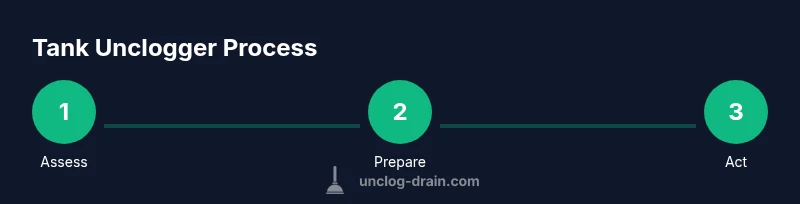
Steps
Estimated time: 45-60 minutes
- 1
Assess the area and safety
Survey the fixture and surrounding area. Put on PPE, and clear the space of obstacles. Confirm there is no active electrical risk nearby and that you can safely drain water without splashing.
Tip: Start with a dry, stable stance to avoid slips. - 2
Prepare the workspace
Place towels around the fixture and position the bucket for overflow. If possible, turn off the water supply to the fixture to reduce ongoing water flow during the procedure.
Tip: Have a lamp ready to clearly view the drain path. - 3
Position the unclogger
Insert the unclogger into the drain with a gentle, level motion. Align with the path of the pipe and avoid forcing the tool through tight bends.
Tip: Keep wrists straight to maximize control. - 4
Activate and advance
Apply the recommended motion, advancing the tool slowly into the trap or pipe. Pause briefly to assess progress and avoid aggressive scraping that can damage the fixture.
Tip: Work in short, deliberate pushes rather than long jerks. - 5
Test flow and repeat if needed
Remove the tool and run water to check for clearance. If flow remains poor, reinsert and attempt another controlled pass, adjusting angle as needed.
Tip: Don’t overdo attempts in a single session. - 6
Clean up and sanitize
Rinse the unclogger, wipe down surrounding surfaces, and dispose of any debris according to local guidelines. Sanitize the workspace to prevent lingering odors or bacteria.
Tip: Dispose of contaminated towels properly. - 7
Store tools and plan maintenance
Dry all components completely and store in a dry place. Note any wear or required parts for future maintenance, and schedule periodic checks to prevent recurring clogs.
Tip: Keep a simple log of clog frequency.
Common Questions
What is a unique tank unclogger and when should I use it?
A unique tank unclogger is a specialized tool designed to reach deeper into tanks and pipes to clear stubborn clogs. Use it after a standard plunger or snake fails, especially in toilets and sinks where access is limited.
A tank unclogger reaches further into the plumbing to break or pull out stubborn clogs when a regular plunger isn’t enough.
Can I use chemical cleaners with this tool?
Do not mix chemical cleaners with mechanical unclogging tools. Chemicals can create dangerous reactions and fumes when combined with the tool’s movement.
Avoid mixing cleaners with the unclogger to prevent dangerous fumes or reactions.
Is it safe for septic systems?
Mechanical unclogging is generally compatible with septic systems if you avoid chemical cleaners. Always follow local guidelines and avoid flushing inappropriate materials.
Mechanical unclogging is usually septic-safe if you skip harsh chemicals.
How long does a typical unclogging session take?
Most sessions run between 30 and 60 minutes, depending on the clog and access. Take breaks if you notice increasing resistance or effort is not yielding results.
Most unclogging takes about half an hour to an hour, depending on the clog.
What should I do if the clog persists after multiple attempts?
If the clog remains after several passes, stop and reassess. Consider alternative access points or professional help to avoid damage.
If it won’t clear after a few tries, get a professional assessment.
How do I maintain the tool for next use?
Rinse, dry thoroughly, and store in a dry place. Inspect for wear and replace worn parts to keep performance consistent.
Clean and dry the tool after use, and check for wear before storing.
Watch Video
Key Points
- Use safety gear before starting any unclogging.
- The unique tank unclogger offers deeper reach with controlled motion.
- Prep the area to contain spills and protect surfaces.
- Test water flow after each pass to measure progress.
- Maintenance extends tool life and reliability.