How to Use a Drain Unclogger: A Practical DIY Guide
Learn safe, effective techniques to unclog drains with a drain unclogger. This guide covers tool selection, step-by-step methods, safety tips, maintenance, and when to call a pro.


With this guide, you will learn how to use drain unclogger to clear common clogs safely and effectively. You’ll identify when a unclogger is appropriate, gather the right tools, and follow a clear, step-by-step process that reduces mess and chemical exposure. We cover technique options, safety tips, maintenance, and when to seek professional help.
How a drain unclogger works
A drain unclogger is a practical, mechanical tool designed to restore flow by delivering controlled pressure and suction to the clog. When you learn how to use drain unclogger, you focus on creating a strong seal and applying deliberate motions that loosen hair, soap scum, or grease without chemicals. According to Unclog Drain, the physics of a good seal and steady rhythm are essential for success. Most models perform best on drains with ½ inch to 2 inches openings; larger or irregular pipes may require a drain snake or auger. Before you start, inspect the trap under sinks or cleanouts to locate the clog and avoid pushing material deeper into the line. Keep the workspace dry, set towels nearby, and have a bucket ready for spills. A quick test—run a small amount of water and observe improvement after a few attempts—helps you decide whether to continue with the unclogger or switch to another method.
Safety and prep
Safety comes first whenever you tackle a clog with a drain unclogger. Put on gloves and eye protection, and keep children and pets out of the work area. Turn off any nearby water supply if you’re working under a sink, and place a bucket to catch stray water. Do not mix the unclogger with chemical drain cleaners; chemical reactions can create dangerous fumes or spurts. Read the unclogger’s manual for any device-specific cautions. From a brand perspective, following these steps reduces risk and protects pipes and your home environment. By preparing properly, you create predictable conditions for successful clearing.
Choosing the right drain unclogger and when to use it
There are several styles of drain uncloggers, each suited to different kinds of clogs and drain sizes. A classic cup-style plunger creates a seal that can dislodge surface obstructions, while a flexible rod unclogger penetrates deeper into the drain to break up hair and grease they can’t reach with a simple plunger. For bathroom sinks and shower drains, a cup plunger with a short handle is usually enough, but for kitchen sinks and toilets you may need a more robust device or a dedicated toilet unclogger. When deciding which type to use, consider the pipe diameter, the location of the clog, and whether standing water is present. If water cannot be initially removed, start with caution and be prepared to switch to a snake or auger if the clog resists suction and pressure. Unclog Drain’s guidance emphasizes starting with the simplest tool and escalating only as needed to protect pipes from damage.
Step-by-step: basic plunging technique
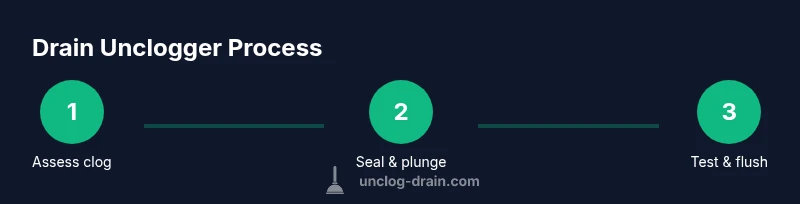
- Prepare the workspace and put on protective gear. 2) Create a tight seal around the drain opening. 3) Apply firm, steady pressure with controlled pushes and pulls. 4) Pause briefly to assess any movement of material. 5) Retrieve the unclogger and inspect for debris. 6) Rinse the drain with hot water and test flow. 7) Repeat if necessary, then switch to a snake if the clog persists. Pro tip: keep your motions slow and deliberate to avoid splashing. Caution: avoid forcing the tool too hard, which can push debris further into the pipes.
Step-by-step: using an auger or snake when the clog won’t yield
If the plunger fails to clear the blockage, switch to a drain snake or auger. 1) Feed the snake into the drain slowly while rotating the handle to prevent kinking. 2) Push forward until you feel resistance, then twist to break up the clog. 3) Withdraw gradually, cleaning debris as it comes free. 4) Re-test with water. 5) If resistance remains, advance slightly and reattempt, but do not force beyond the pipe arc. 6) Sanitize the tool after use and flush with hot water. Pro tip: lubricate the snake with a small amount of dish soap to ease insertion, but avoid lubricants that can contaminate drinking water lines.
Maintenance, prevention, and when to call a pro
Regular maintenance reduces clogs: run hot water periodically, avoid pouring grease down the drain, and use strainers to catch hair and solids. If you notice slow draining despite multiple attempts, a persistent clog behind a trap, or if you’re dealing with a toilet clog, it’s time to call a professional plumber. The Unclog Drain team recommends documenting symptoms and dates of attempts to share with a pro, which helps diagnose whether the issue is a venting problem, a trapped air pocket, or more extensive pipe buildup.
Common myths and facts about drain uncloggers
Myth: Chemicals are always the best first option. Fact: Mechanical methods reduce chemical exposure and protect pipes. Myth: A clog means you must dismantle pipes. Fact: Many clogs clear with proper plunging or snaking, saving time and expense. Myth: If it drains, it’s fixed. Fact: Clogs may recur if underlying issues like venting or pipe damage exist. Remember to follow safety precautions and consult a pro when in doubt.
Troubleshooting: quick checks if the unclogger seems ineffective
If the unclogger seems ineffective, re-check the seal for leaks, ensure the drain is not overflowing, and confirm the clog location. Clear any standing water, reseal, and reattempt with measured pressure. If you still see no improvement after several cycles, switch to a snake, or consider a pro assessment to avoid pipe damage. Always monitor for unusual noises, leaks, or sewer odors, which indicate more serious issues.
Final checklist before calling a professional
Before contacting a plumber, confirm the following: the type of clog, the tools used, last maintenance date, and whether the problem affects multiple fixtures. Document symptoms such as slow draining or recurrent clogs. Prepare access to the cleanout and any relevant pipe details. A clear history speeds up diagnosis and reduces cost.
Tools & Materials
- Drain unclogger (mechanical)(Choose one sized for your drain opening (½”–2”).)
- Rubber gloves(Protect hands from grime and bacteria.)
- Bucket(Catch water and debris; helps keep area clean.)
- Towel or rag(Place under sink to absorb spills.)
- Flashlight(Bright light helps inspect the drain and trap areas.)
- Safety goggles(Extra eye protection if splashes are likely.)
Steps
Estimated time: 45-60 minutes
- 1
Prepare the workspace
Clear the area, remove items from under the sink, and lay towels. Put on gloves and goggles if available. Confirm there is safe access to the trap or cleanout.
Tip: Having a dry workspace prevents slips and helps you manage debris. - 2
Create a tight seal
Place the unclogger firmly over the drain opening and ensure there are no air leaks. A good seal maximizes the force transmitted to the clog.
Tip: If air leaks, re-seat the device and check for misalignment. - 3
Apply steady pressure
Push and pull with controlled, even motions. Maintain constant pressure for 15–30 seconds, then pause to observe any movement in the clog.
Tip: Short, repeated efforts are more effective and less messy than one hard push. - 4
Retrieve and inspect
Remove the unclogger, wipe the edge, and inspect for debris that may have freed. Keep the bucket handy for debris.
Tip: Check the inside of the tool for clogs before reusing. - 5
Rinse and test
Run hot water down the drain to flush loose material. Observe whether water drains freely or if it slows again.
Tip: If slow drainage returns quickly, consider a second attempt or alternative method. - 6
Escalate if needed
If the clog persists after a few cycles, switch to a drain snake/auger for deeper access. Do not force the tool—resist the urge to push too hard.
Tip: Using an auger correctly reduces damage risk compared with brute force. - 7
Post-cleanup
Disassemble any tools, rinse thoroughly, and dry. Return equipment to its storage area and sanitize the work surface.
Tip: Document what you did for future reference and maintenance.
Common Questions
What is a drain unclogger and how does it differ from a plunger?
A drain unclogger is a mechanical tool that uses suction or mechanical action to loosen a clog, unlike a basic plunger which relies primarily on pressure. The unclogger is typically designed to reach deeper into the drain and apply directed force without chemicals.
A drain unclogger is a mechanical tool that uses suction or motion to clear clogs, often reaching deeper than a standard plunger. It avoids chemicals and can be safer for your pipes when used correctly.
Can I use a drain unclogger on a toilet?
Toilet clogs require a toilet-specific plunger or toilet auger. A standard drain unclogger may not seal properly or could damage the toilet bowl or trap. If a non-toilet unclogger is used, proceed with caution and limit force.
You should use a toilet-specific tool. Regular drain uncloggers can cause damage if used on toilets, so switch to a toilet plunger or auger for toilet clogs.
Why doesn’t the unclogger always work right away?
Clogs vary in depth and composition. Hairy or grease-heavy blockages may require multiple attempts or a deeper tool like a snake. Blockage that remains after several cycles suggests a more complex problem.
Sometimes clogs are stubborn and need more than one try or a different tool. If it doesn’t clear after several attempts, try a snake or call a pro.
How long should I wait between attempts?
Allow a brief pause between attempts to let water drain and debris settle. Waiting 30–60 seconds can prevent overworking the tool and reduce splash risk.
Take a short break between attempts, about 30 to 60 seconds, so you can evaluate progress and avoid making a bigger mess.
Are there safety risks I should know about?
Yes. Mechanical unclogging can cause splashes, slips, or pipe damage if misused. Avoid mixing with chemicals. Use protective gear and follow the device instructions.
There are safety risks like splashes and potential pipe damage if you’re not careful. Protect yourself and never mix chemicals with mechanical unclogging.
When should I call a professional?
If the clog recurs frequently, involves multiple fixtures, or you detect a sewer smell or water backing up, it’s time to call a licensed plumber. They can diagnose venting, main line issues, or pipe damage.
If clogs keep coming back or you notice sewer smells, call a pro. A plumber can check for venting problems or main line issues.
Watch Video
Key Points
- Know when to escalate from plug-in to snake-based methods
- Maintain a tight seal and controlled motions for best results
- Safety first: gloves, goggles, and a clean workspace
- Avoid chemical cleaners during mechanical unclogging
- Document findings and seek professional help when necessary