Toilet Partially Clogged: Urgent DIY Troubleshooting Guide
Learn how to diagnose and fix a toilet that is partially clogged with safe, proven DIY steps. This guide covers signs, causes, quick checks, step-by-step fixes, prevention, and when to call a plumber. From Unclog Drain, for homeowners and DIY enthusiasts.


A toilet that is partially clogged is usually caused by buildup in the trap or drain line. The quickest fix is a well-sealed plunger followed by a toilet auger if needed. If plunging doesn’t clear the bowl, move to an auger or consult a licensed pro to avoid damage.
Symptoms and scenarios of a toilet partially clogged
A toilet that is partially clogged shows slower drainage, frequent gurgling, or water that rises in the bowl and then slowly drains. In these cases, you may notice the flush isn’t as forceful as it should be, or you hear gurgling coming from the drain. According to Unclog Drain, the most common culprit is a partial clog from toilet paper, waste, and biodegradable materials that accumulate in the trap or drain line. Acting quickly can prevent a full blockage and a potential overflow. This guide helps homeowners recognize the signs, understand what’s happening behind the scenes, and choose safe DIY steps before calling a pro. The Unclog Drain team emphasizes starting with simple solutions and using the right tools to protect your toilet and flooring.
Core causes you're likely facing
Most partial clogs originate from bathroom use and everyday materials. The most common cause is toilet paper and waste that accumulate in the toilet trap or small-diameter drain line. A secondary but real factor is a minor obstruction created by foreign objects that were flushed inadvertently. In some homes, slow drainage can also stem from vent pipe restrictions or mineral buildup in the drain. Understanding these causes helps you pick the right method and avoid unnecessary chemical cleaners that can damage seals or pipes. The goal is to restore flow without creating a bigger issue down the line.
Quick safe checks you can perform before tools
First, verify the water level in the tank and ensure the flush valve closes properly. A weak flush can be misinterpreted as a partial clog. Check the toilet bowl water level; if it’s too high, you may risk overflow during plunging, so adjust the float and fill valve. Inspect the path you plan to use for clearing: ensure the plunger fits the drain opening and is fully submerged in water for an effective seal. Avoid forcing anything that could crack the porcelain. Always wear gloves and eye protection when handling tools. If the water level remains high or you notice sewer odor, stop and seek professional help to prevent a flood.
Diagnostic flow overview and decision paths
This section maps symptoms to likely causes and fixes so you can decide what to try first. If the toilet flushes poorly but water clears after multiple plunges, the issue is often a partial paper/waste clog. If plunging fails, a toilet auger is usually the next step. If you still encounter resistance after an auger, consider a deeper investigation of the drain line by a professional. For a slow drain that affects other fixtures or seems connected to the main sewer line, turn off the water supply and contact a licensed plumber promptly. The goal is to progress from simple, low-risk steps to more involved actions without risking damage to the bowl or seals.
Step-by-step fixes for the most common cause (paper/waste buildup)
- Inspect the tank and confirm the flush valve is seating properly; a weak seal can leave water in the bowl and impede flow.
- Position and seal the plunger over the drain opening and push with controlled force to create a strong suction.
- Plunge with a straight up-and-down motion for 15-20 cycles, pausing to observe the flow. If water begins to drain, repeat once or twice more before moving to the auger.
- If plunging doesn’t clear the clog, insert a toilet auger, turning the handle slowly to avoid scratching the porcelain and to extend the cable into the drain.
- Retract the auger gradually, removing debris as you go, and flush to test flow. Do not force the cable if you meet resistance.
- For stubborn clogs, try a safe enzymatic cleaner designed for septic and standard plumbing, following label directions. Avoid chemical drain cleaners that can damage rubber seals.
- Refill the bowl and run a few tests with a normal flush to ensure complete clearance. If you see standing water or slow drainage again, stop and reassess.
- If the toilet remains partially clogged after these steps, schedule a professional inspection to avoid water damage or sewage backup.
Safe tools, setup, and common mistakes
Use a wax-free plumbers’ plunger designed for toilets to ensure an airtight seal. Always keep a bucket and towels handy in case of overflow. Never mix chemical cleaners with water or other cleaners; this can create dangerous fumes or pipe damage. Wearing gloves protects your skin from contaminants. A common mistake is applying excessive force with a plunger, which can crack the porcelain or damage the wax ring. Slow, methodical plunging is safer and often more effective for partial clogs.
Prevention, maintenance, and when to call a plumber
Develop a routine that avoids flush-related overload: avoid flushing large quantities of toilet paper at once, and do not flush non-flushable items. If you notice recurring partial clogs, inspect venting for blockages or call a pro to evaluate main sewer conditions. Consider installing a toilet paper option with thinner sheets to reduce buildup and reduce the load on the trap. Periodic professional cleaning and camera inspections can catch problems early. The goal is to keep the drain clear without relying on risky DIY fixes for complex blockages.
Steps
Estimated time: 30-75 minutes
- 1
Check tank and valve seating
Inspect the tank water level and flush valve seating. A weak seal can leave water in the bowl, making the clog harder to clear. Ensure the chain and lever move freely and the flapper seats properly after flush.
Tip: A well-seated flush valve reduces initial resistance in a partial clog. - 2
Seal and position the plunger
Place the plunger over the drain, ensuring a complete seal. Submerge the cup in water to maximize suction. If air leaks around the edge, reposition until you have a solid seal.
Tip: Use a flange plunger designed for toilets for the best seal. - 3
Execute controlled plunging
Deliver steady, forceful plunges in an up-and-down motion for 15-20 cycles. Pause briefly to observe any drain progression. If water begins to drain, repeat once or twice more before moving on.
Tip: Keep the plunger vertical to avoid splashing water. - 4
Try a toilet auger
Insert the auger into the toilet bowl and rotate the handle slowly while pushing forward. Stop if you encounter resistance to avoid damaging the porcelain. Retract gradually and remove debris as you go.
Tip: Do not force the cable; patience yields better results. - 5
Reset and test with a flush
After removing debris, pour a small amount of clean water into the bowl and flush to verify clearance. If flow improves, repeat the test two more times to confirm stability.
Tip: A successful test flush is your proof of clearance. - 6
Consider enzymatic treatment
If physical methods fail, use a safe enzymatic cleaner to digest organic matter in the line. Follow label directions precisely and avoid mixing with other cleaners.
Tip: Enzymatic cleaners are gentler on pipes than harsh chemicals. - 7
Evaluate next steps
If the clog remains after all safe DIY steps, document behavior (slow drain, odors) and contact a licensed plumber. Persistent partial clogs can indicate larger sewer issues.
Tip: Early professional evaluation prevents overflow disasters. - 8
Prevent future clogs
Adopt safer flushing practices, space out large paper quantities, and schedule periodic inspections if recurring problems occur. Consider vent and line inspections for at-risk homes.
Tip: Preventive maintenance reduces emergency calls.
Diagnosis: Toilet is partially clogged (slow drainage, occasional gurgling, bowl rise during flush)
Possible Causes
- highPartial blockage from toilet paper and waste buildup
- mediumFlushed foreign objects causing obstruction
- lowVent pipe blockage reducing drainage efficiency
- lowSeptic tank or main sewer line issues
Fixes
- easyUse a plunger to form a tight seal and plunge firmly
- easyUse a toilet auger to reach the trap and clear minor obstructions
- easyAttempt a safe enzymatic cleaner designed for toilets and septic systems
- mediumCall a licensed plumber if the clog persists after 20-30 minutes of DIY effort
Common Questions
What does partially clogged mean for a toilet?
A partially clogged toilet drains slowly but does not overflow immediately. It often results from buildup in the trap or drain line and can progress to a full blockage if ignored.
A partially clogged toilet drains slowly, usually from buildup in the trap. It can become a full clog if you wait too long.
Can I use chemical drain cleaners for a partial clog?
Chemical drain cleaners can damage seals and pipes and should be a last resort. Start with a plunger or auger and only use chemicals if the product is labeled as safe for toilets and you follow the instructions precisely.
Avoid chemicals first. Plungers or augers are safer starting points.
Is a plunger or toilet auger more effective for partial clogs?
For most partial clogs, a plunger is the first tool of choice. If plunging fails, an auger can reach deeper into the drain to clear the clog with less risk of damage.
Plunger first; augment with an auger if needed.
When should I call a plumber for a partially clogged toilet?
Call a plumber if plunging and augering fail after about 20-30 minutes of DIY effort, if you notice repeated clogs, or if you sense sewer odor or multiple fixtures are affected.
If DIY fixes don’t clear it after a good try, contact a plumber.
How can I prevent partial clogs in the future?
Avoid flushing non-flushable items, use moderate paper quantities, and consider periodic professional checks for venting and sewer line health.
Prevent clogs by flushing smartly and scheduling maintenance.
Will hot water or soap help with a partial clog?
Hot water and dish soap can aid in loosening minor buildup, but they are not a cure for heavy clogs and should be used cautiously to avoid splashing.
Hot water and soap may help loosen light buildup but aren’t a fix for big clogs.
Key Points
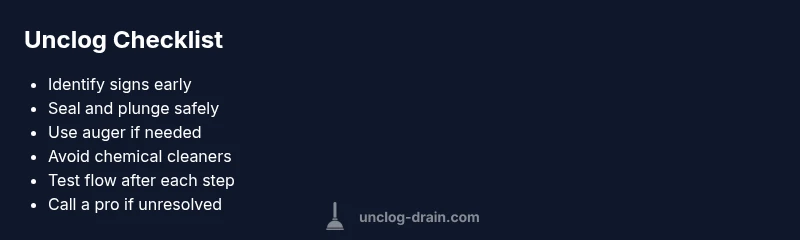
- Identify signs early to prevent full blockage.
- Use safe tools first (plunger, then auger).
- Know when to call a plumber to avoid damage.
- Maintain preventive habits to minimize future clogs.