Partially Blocked Toilet: Urgent Troubleshooting Guide
Urgent, practical steps to diagnose and fix a partially blocked toilet quickly, with safe methods, diagnostic flow, and prevention tips from Unclog Drain.


Partially blocked toilets are usually caused by partial clogs or excess toilet paper that restricts flow. The quickest fix is to use a flange plunger to clear the bend, then reflush carefully. If plunging alone doesn’t clear the blockage, move to the next steps: gentle non-destructive methods first, and escalate to professional help if needed.
Why a partially blocked toilet happens
Partially blocked toilets often occur when a small clog forms in the toilet trap or drain, restricting flow while still allowing some water to pass. According to Unclog Drain, repetitive flushing, excessive toilet paper, or a minor obstruction in the bend can create this condition without a full stop. Other contributing factors include soft solids or wipes that cling to the bend, or a small object wedged in the trap. Recognize the signs: water rises partially but drains slowly, gurgling sounds, and occasional standing water near the rim. Quick fixes rely on mechanical methods rather than chemical cleaners, which can damage seals and pipes over time. By understanding the typical causes, you can choose the safest, most effective approach without creating a bigger mess. In many cases, a partial blockage is a signal that the system is working but requires a little help from you to restore full flow. The Unclog Drain team emphasizes keeping vent paths clear and avoiding the temptation to flush repeatedly, which can worsen the clog. A measured, patient approach reduces spill risk and buys you time to assess your options.
Quick checks you can perform safely
Before reaching for tools, confirm there isn’t an obvious, easily fixed issue. Check the toilet for an obvious clog near the rim or in the trap. Look for items that shouldn’t be in the bowl (baby wipes or excessive paper). If the fill valve is making unusual noises or if the tank won’t fill, address those issues first; otherwise the problem is likely downstream in the drain. If multiple fixtures drain slowly (sink, tub) you may be dealing with a wider sewer line issue. For most partially blocked toilets, a flange plunger is the best starting tool. Place the plunger to seal the drain, apply steady pressure, and avoid a hard shove that can spray water. If you hear air being forced through, you’re on the right track. Do not mix chemical drain cleaners with plunging; the combination can release harmful gases and damage the pipes. If water starts to rise toward the rim, stop plunging and remove the device to prevent overflow. Finally, maintain a clean workspace and prepare towels or a bucket to manage spills. According to Unclog Drain, mechanical methods tend to be safer and more effective for partial blockages than chemical agents.
Diagnostic flow: symptom to diagnosis to fix
Symptoms guide the diagnosis: you notice slow drainage, a small rise in water, or audible gurgling. Diagnosis options include partial clog in the trap, buildup in the bend, or a venting issue. Start with the simplest causes: toilet paper buildup, then objects wedged in the S-bend, then check the flush valve and tank. For downstream issues, test the other fixtures: if sinks and tub drains are normal, the problem is likely local to the toilet. If the toilet continues to drain slowly despite plunging and auger, the blockage may be deeper in the drain line or a sewer line issue. Solutions progress from mechanical to professional if needed. Remember, never use a chemical cleaner as the primary method for a partial blockage, since it can cling to the liner and cause damage; mechanical methods remain safer options. If you’re uncomfortable with any step, seek professional help. Safety first: shut off the water supply if you see rising water in the bowl or tank.
Step-by-step fix for the most common cause
To clear a partial blockage, begin with a flange plunger and then progress to a toilet auger if needed. Use steady, controlled movements rather than forceful jabs. Avoid over-scratching the porcelain; gentleness and technique matter. If the plunger clears the clog, flush once to confirm full drainage and monitor for any signs of reoccurrence.
Safety, prevention, and when to call a professional
Always unplug from the mindset that chemicals will solve everything. Mechanical methods minimize damage to seals and pipes. Do not repeatedly flush if you suspect an overflow risk. Wear gloves, keep towels handy, and disinfect the area after finishing. If blockages recur, especially after attempts to clear them, or if you notice sewage odors, a licensed plumber is the safest option to inspect for deeper issues like a venting problem or a sewer line obstruction.
Steps
Estimated time: 20-40 minutes
- 1
Turn off water and prep area
Shut off the toilet’s water supply at the valve behind the bowl to prevent overflow. Remove excess water from the bowl with a cup and bucket, then lay towels nearby. This prevents splashes and keeps the workspace manageable.
Tip: Keep a dry towel handy; a small bucket makes cleanups faster. - 2
Choose the right plunging tool
Use a flange plunger (not a cup plunger) to seal around the drain. Ensure a good seal and centered alignment for effective plunging, then apply steady, vertical pressure in short bursts.
Tip: A proper seal is critical; if air leaks, reposition the plunger. - 3
Plunge with purpose
Plunge up and down for 15-20 seconds, then pause and check drainage. If the water level drops, repeat several cycles. Avoid forceful thrusts which can splash and damage porcelain.
Tip: If water remains, switch to a toilet auger after a few rounds. - 4
Try an auger (snake) if needed
Insert the toilet auger into the drain and rotate clockwise to push through the bend. Gently pull back material as you advance, then test by flushing a small amount of water.
Tip: Do not force the auger beyond resistance; stop if you feel binding to avoid damage. - 5
Test the flush and assess
Flush the toilet slowly and observe whether drainage is smooth. If it still drains slowly, repeat the auger or call a professional. Replace the water supply line and verify the tank fills properly.
Tip: If overflow occurs, immediately stop and seek professional help.
Diagnosis: Toilet is draining slowly or only partially clears after flushing
Possible Causes
- highPartial clog in toilet trap or bend
- highExcess toilet paper buildup
- lowForeign object wedged in S-bend
- lowVent stack blockage or sewer line issue
Fixes
- easyTry a flange plunger to clear the bend
- easyUse a toilet auger to reach and break the clog
- easyAvoid chemical cleaners; use mechanical methods first
- mediumIf overflow risk persists, stop and call a licensed plumber
Common Questions
What causes a partially blocked toilet?
Partial blockages are usually caused by toilet paper buildup, minor clogs in the trap, or a small object wedged in the bend. Environmental factors like venting issues can contribute but are less common. The key is to start with mechanical methods before considering more invasive options.
Partial blockages usually come from toilet paper buildup or a small clog in the trap. Start with mechanical methods like plunging or using a toilet auger, and only seek professional help if these don’t work.
Can chemical drain cleaners help with partial blockages?
Chemical cleaners are not recommended as a first step for partial blockages. They can damage seals and pipes and may create hazardous fumes when used with plungers or augers. Use mechanical methods first and only call a pro if needed.
No, chemical cleaners aren’t ideal for partial blockages. They can damage pipes and create fumes; start with plungers or augers instead.
Is it safe to flush while plunging?
Flushing while plunging can overflow if the blockage is severe. Plunge first, monitor the water level, and only flush when you see a clear path. If the water rises, stop and reassess.
Don’t flush while plunging aggressively. If water starts rising, stop and check your setup.
When should I call a professional?
Call a licensed plumber if the blockage persists after multiple plunges and/or the auger cannot clear the bend. Also seek help if multiple fixtures drain slowly or you notice sewer odors.
If plunging and snaking don’t fix it after several tries, or you smell sewer gas, contact a licensed plumber.
How can I prevent future clogs in the toilet?
Prevention includes using less toilet paper per flush, avoiding flushing wipes or non-flushable items, and keeping foreign objects out of the bowl. Regular maintenance like inspecting the flange and vent stack helps prevent recurring issues.
Use less toilet paper, avoid non-flushables, and check vents—these steps help prevent future clogs.
Does a partially blocked toilet indicate a sewer line issue?
A partial blockage sometimes signals a larger sewer line issue, especially if other fixtures drain slowly or you hear gurgling from the pipes. In such cases, consult a professional who can assess the main line.
If other drains are slow or you hear gurgling, you might have a sewer line issue—get a pro to inspect.
Watch Video
Key Points
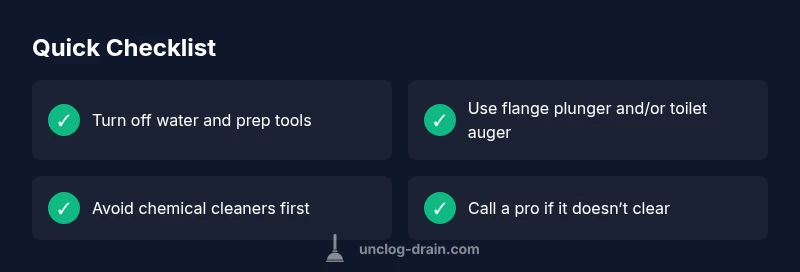
- Start with the plunger, then escalate to an auger
- Avoid chemical cleaners for partial blockages
- Test drainage after each method and stop if overflow risk appears
- Call a plumber if blockages recur or you suspect sewer problems