i clogged the toilet: Fast, safe troubleshooting guide
Urgent, practical steps to unclog your toilet quickly. Learn common causes, safe tools, step-by-step fixes, and prevention tips—brought to you by Unclog Drain.


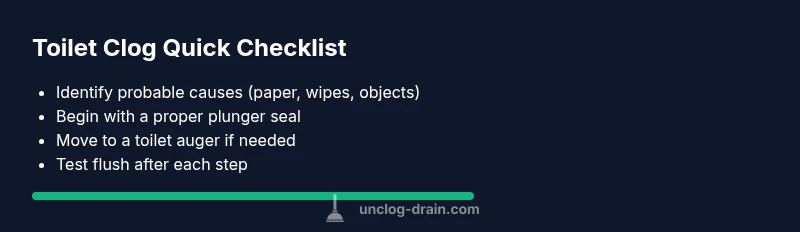
Start with the simplest fix: a plunger. Most clogs come from excess toilet paper or non-flushables. If plunging doesn’t clear it, use a toilet auger. Avoid chemical cleaners; they can damage pipes and vents. If the toilet still won’t drain, stop and call a plumber.
Why i clogged the toilet happens
When a toilet becomes clogged, many homeowners ask themselves how to fix it quickly. If you’ve ever said i clogged the toilet, you’re not alone; the culprit is usually too much paper, wipes that shouldn’t be flushed, or items that fail to break down. Understanding these common causes helps you pick the right method and avoid unsafe shortcuts. Remember, quick fixes aren’t a substitute for safe practices, especially when water and waste are involved. By recognizing the most frequent culprits, you can tailor your approach and reduce the chance of a repeat clog. This guide will walk you through the most likely scenarios and give you a clear path to resolution, with safety woven into every step.
Unclog Drain emphasizes that many clogged toilets stem from everyday misuse, and addressing the exact cause saves time and reduces the risk of overflow. If you’re the kind of homeowner who asks, i clogged the toilet, you’re in good company—and you can fix it with confidence.
Quick checks before you plunge
Before you reach for a plunger, perform a few quick checks that can save you effort and mess. First, verify the water level in the bowl—if it’s unusually high, don’t force a flush; a high level can overflow. Next, look for visible obstructions in the bowl that you can safely remove with gloves. Check the flush valve handle for sticking or a loose chain. If you’ve recently used excessive toilet paper or flushed items not meant to be flushed, that’s likely the root cause. Finally, consider whether there are signs of a sewer-line issue, such as gurgling sounds or a slow drain in other fixtures. Proceeding with these checks helps you decide whether to plunge, auger, or call for help. The aim is to restore normal drainage while minimizing the risk of overflow and splash.
Tools and safety: plunger vs toilet auger
Choosing the right tool is half the battle. A classic cup plunger (not a flange version) can handle many clogs that sit near the trap. Ensure a snug seal and position it to fully cover the toilet opening; push and pull with steady pressure, maintaining the seal. If plunging fails after a minute or two, switch to a toilet auger (a toilet snake) designed for toilets. The auger can reach past the bend and break up stubborn blockages. Keep gloves on, work slowly, and avoid using excessive force to protect the porcelain. Always keep the area ventilated and ready towels to manage splashes. Unclog Drain notes that having both tools handy reduces the need for multiple trips to the store or storage.
If you’re unsure about using an auger, practice on a spare bucket first to feel how the cable moves. The goal is to reach the obstruction, not to scratch the bowl or force the block deeper into the drain.
Step-by-step plunge method for common clogs
This practical plunge method is designed for typical toilet clogs caused by paper and small objects.
- Prepare the area: put on gloves, lay towels, and have a bucket within reach. 2) Submerge the plunger fully, ensuring a tight seal. 3) Position the plunger and apply firm, vertical thrusts—steady rhythm beats brute force. 4) Pause and check if water starts to drain; repeat as needed for 60-120 seconds. 5) If water levels begin to drop, give one final firm push to clear the trap. 6) Remove the plunger and slowly flush to test. If it still drains slowly or not at all, move to the toilet auger. Tip: keep the plunger vertical to maximize suction and minimize splashing. This approach often resolves most common blockages without tools beyond a plunger.
For many homeowners, the simple act of plunging correctly is enough to restore flow quickly, avoiding a costly service call. If the clog remains stubborn, don’t force a flush; proceed to the auger or seek professional help. Remember, consistent, calm technique is your best ally when i clogged the toilet.
When to switch to a toilet auger or snake
If plunging doesn’t clear the clog after a handful of cycles, that block is likely beyond the plunger’s reach. A toilet auger can extend beyond the trap and break up or hook the obstruction. Use the auger cautiously: insert the end into the toilet bowl, turn the handle slowly, and feed the cable until it meets resistance. When resistance is met, twist slightly and pull back to retrieve the obstruction, then flush to test.
Avoid forcing the auger or applying excessive torque, which can damage the porcelain. If you feel resistance that doesn’t yield after several attempts, stop and consider professional help. A persistent clog could indicate a deeper issue or a sewer-line problem that requires expertise. Unclog Drain recommends identifying the point of the blockage before escalating to more aggressive methods.
Mechanical clean-up and aftercare
Once the clog is resolved, it’s important to clean up and verify that the system is functioning. Rinse the bowl with a few quick flushes and observe the water level. If you notice any residual water, use a plunger dipped in clean water to recheck the seal. While cleaning, disinfect the toilet handle and the surrounding area to prevent the spread of bacteria. Check the toilet for any wobble or leakage and tighten as needed. If you used an auger, wipe down the cable and store it properly. A quick glance at the rest of the bathroom helps ensure nothing else was affected during the process.
As you wrap up, consider a quick checklist to prevent future clogs. Regular maintenance and mindful flushing patterns can keep drains flowing freely. The goal is to restore normal drainage and reduce the chance of recurrence, especially after a moment where i clogged the toilet.
Cautions with chemicals and venting
Chemical drain cleaners may seem convenient, but they can damage pipes, seals, and vent systems and can create dangerous fumes if used improperly. When possible, avoid their use for toilets unless explicitly recommended for toilet clogs. If you must use them, follow the label precisely and ventilate the space. A blocked vent can cause gurgling or slow drainage; if you hear irregular noises from the plumbing or notice a sewer odor, address vent issues immediately and seek professional help. In many cases, mechanical methods (plungers and augers) are safer and more effective than chemical cleaners. If you suspect a vent problem or sewer-line blockage causes i clogged the toilet, do not delay professional evaluation.
When to call a professional and what to expect
If repeated attempts do not restore proper drainage, it’s time to contact a licensed plumber. A professional can assess the drainage system, check for venting issues, inspect the sewer line for blockages, and recommend appropriate remedies. When you call, describe the symptoms, how long the problem has persisted, and any recent changes in usage. A technician may perform a camera inspection of the line, check the trap and vent system, and determine whether a more extensive repair is required. Early professional evaluation can prevent further damage and provide peace of mind that the underlying issue won’t escalate into a bigger problem. The goal is to avoid costly emergency fixes while ensuring safe and effective resolution if i clogged the toilet.
Preventing future clogs with smart habits
To minimize future clogs, adopt simple habits that reduce stress on your toilet system. Flush only toilet paper and human waste, and avoid flushing wipes, sanitary products, or food scraps. Use a measured amount of toilet paper and avoid 'flush twice' habits that can lead to large paper piles. Regularly inspect the toilet’s flush mechanism, trap, and supply line for wear or leaks. If you have hard water, consider a mild descaling routine to prevent mineral buildup in the bowls and pipes. Finally, keep a basic toolkit (plunger, toilet auger, gloves) accessible in the bathroom so you can respond quickly when i clogged the toilet happens again. Consistency in these practices can save time, money, and stress during future clogs.
Steps
Estimated time: 20-60 minutes
- 1
Prepare and safety gear
Put on rubber gloves, gather tools (plunger, auger, bucket), and protect floors with towels. Ensure the area is well-ventilated and turn off the affected water if overflow risk is high.
Tip: Keep a towel and bucket ready for spills. - 2
Assess the situation
Check water level and look for obvious blockages in the bowl. If the clog seems deep or the water level is dangerously high, pause before plunging.
Tip: Don’t rush—proper assessment reduces overflow risk. - 3
Plunge with seal
Place the plunger to cover the drain completely and push straight down, then pull up with force. Repeat for 60-120 seconds, keeping the seal intact.
Tip: A vertical seal improves suction and reduces splash. - 4
Switch to an auger if needed
If plunging fails, insert the auger tip into the drain and crank slowly to dislodge or hook the blockage. Retract and flush to test.
Tip: Feed the cable gently to avoid scratching the bowl. - 5
Flush test
Carefully flush to see if the water clears. If the water remains high or backward flow occurs, pause and reassess before attempting more fixes.
Tip: Multiple small flushes are safer than one brutal push. - 6
Address residual water
If water remains, use a sponge or towel to remove excess water and clean up. Dry the area and prepare for a final test flush.
Tip: Cleaning between steps reduces mess and odors. - 7
Assess aftercare
Observe the next few flushes to ensure flow is stable. Check for signs of leakage around the base or tank.
Tip: Persistent issues know when to escalate to a pro. - 8
Know when to call a professional
If plunging and augering fail or if you suspect sewer-line problems, contact a licensed plumber promptly.
Tip: Early professional help prevents bigger damage.
Diagnosis: Toilet won’t flush or water remains in the bowl after a flush
Possible Causes
- highExcess toilet paper or non-flushables
- highWipes or foreign objects in the drain
- mediumPartial trap blockage
- lowSewer line or vent issue
Fixes
- easyPlunge with proper seal and steady force
- mediumUse a toilet auger to reach past the trap
- hardInspect venting or call a pro for sewer-line concerns
Common Questions
What is the most common cause of a clogged toilet?
The most frequent culprits are excessive toilet paper and non-flushables. Wipes and foreign objects can also cause blockages. Clear the clog with a plunger or auger and adjust usage habits.
Most clogs come from too much toilet paper or non-flushables; use a plunger or auger to fix it.
Can I use chemical drain cleaners for a toilet clog?
Chemical cleaners can damage pipes and vent systems and may not reach the clog. Mechanical methods (plunger or auger) are typically safer and more effective for toilets.
Chemicals can harm pipes; try plungers or augers first.
Why isn’t my plunger clearing the clog?
If plunging fails after multiple attempts, the blockage may be deeper or larger than a surface clog. Move to an auger or call a professional if progress stalls.
If plunging fails after several tries, switch to an auger or call a pro.
Is a toilet auger safe for porcelain?
Yes, when used gently, a toilet auger reaches the obstruction without scratching the bowl. Avoid forcing the cable through hard blockages.
Augers are safe if you use them gently and don’t force them.
What should I do if the clog keeps returning?
Recurring clogs often indicate deeper plumbing or venting issues. Schedule a professional inspection to prevent repeated blockages.
If clogs keep returning, get a pro to inspect deeper plumbing.
When should I call a plumber?
If basic plunging and augering fail, or you notice sewage smells, slow drains in other fixtures, or water leakage, contact a licensed plumber promptly.
Call a plumber if basic fixes don’t work or you smell sewage.
Watch Video
Key Points
- Identify clog cause before acting
- Plunge first for most blockages
- Move to auger if plunging fails
- Avoid chemical cleaners for toilets
- Call a pro for suspected sewer issues