How to Unclog a Toilet When Nothing Works: A Practical DIY Guide
Learn safe, practical steps to unclog a stubborn toilet without harsh chemicals. Master plunger techniques, use a toilet auger, and maintenance tips from Unclog Drain for quick, reliable fixes.


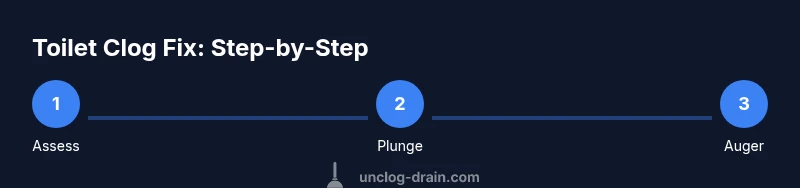
To unclog a toilet when nothing works, start with strong plunger technique, then advance to a toilet auger, and apply safe, non-chemical methods (hot water, dish soap). If the blockage persists after 15-20 minutes of careful effort, stop and call a professional to prevent damage to the bowl or sewer line.
How to unclog toilet when nothing works: A practical, step-by-step approach
When a toilet backs up or refuses to flush, it can hint at a stubborn blockage deeper in the drain line. According to Unclog Drain, persistence with safe methods often resolves most household clogs without expensive tools. Start by confirming the blockage is not caused by a simple overflow or a trapped flush valve, then move through a structured sequence of actions. This guide emphasizes non-chemical techniques first, especially for homes with children or pets. The goal is to restore flow while protecting the porcelain and the sewer line from damage. By following a calm, methodical process, you’ll improve your odds of a successful fix without creating new problems.
Safety first: what not to do when a toilet won’t unclog
Before you reach for tools, set boundaries to reduce risk. Never mix chemical cleaners with other products, never pour boiling water into a toilet that might crack porcelain, and never plunge a toilet that’s actively overflowing without wearing eye protection. Ventilate the bathroom and keep children and pets away from the work area. If you smell gas or suspect a sewer-line issue, evacuate and call a professional immediately. These cautions help prevent injuries and property damage while you work through the blockage.
Step 1: Prep the area and plan your approach
Clear the bathroom floor, lay down towels, and place a bucket nearby for spills. Put on rubber gloves and eye protection. Inspect the toilet to determine whether the water level is unusually high or if there is visible debris. Decide which tools you will use first based on the blockage type (plunger first, then auger if needed). Understanding the problem helps you avoid wasting time and reduces the chance of splashes that could spread contaminants.
Step 2: Master the plunger technique
A proper flush works best with a flange plunger, which seals the drain more effectively than a standard cup plunger. Create a tight seal around the outlet, keep the handle vertical, and push with steady, rhythmic pressure—think a controlled pumping motion rather than heavy, jarring thrusts. After 15-20 vigorous plunges, pause to check for any movement in the water level. If the water drops and the flush becomes easier, you’re likely loosening the blockage. If not, move to Step 3 with a different approach.
Step 3: Deploy a toilet auger (closet auger) safely
If plunging doesn’t clear the clog, use a toilet auger to reach past the trap. Insert the auger’s flexible steel wire into the drain and rotate the handle to extend it, then gently push while applying short twists. Stop if you feel resistance and retract slightly before continuing. The goal is to break up or hook the obstruction without scratching the porcelain. After several attempts, pull back and attempt a test flush to assess progress.
Step 4: Try safe non-chemical methods to coax the blockage
If the auger doesn’t finish the job, you can try non-chemical options that rely on physics and lubrication. Add a few squirts of dish soap around the rim and let it sit for a few minutes, then run hot (not boiling) water from a safe height into the bowl to create pressure that helps move the clog. Do not pour boiling water if the toilet or pipes feel brittle. Repeat once or twice, testing the flush between trials. These methods minimize risks while offering another chance to restore flow.
Step 5: When to stop and call a professional
If you’ve exhausted safe techniques for about 15-20 minutes of continuous effort and the toilet remains blocked, it’s wise to contact a licensed plumber. A stubborn clog may involve the house’s main sewer line, a broken pipe, or deep-tree roots needing specialized equipment. Document what you’ve tried so the pro can quickly diagnose the issue and avoid repeating steps that could cause overflows or damage.
Step 6: Post-fix cleanup and maintenance to prevent future clogs
Once the toilet clears, run several full flushes with clean water to confirm stability. Clean the bowl and surrounding area with a bathroom-grade cleaner, then inspect the drain area for any signs of leakage. Consider routine maintenance like avoiding pouring grease or fibrous materials down the toilet, using a mechanical cleaner periodically, and checking the P-trap for slow drains in other fixtures to keep future clogs at bay.
Tools & Materials
- Toilet plunger (flange type)(Choose a flange-style plunger designed for toilets; cup plungers are less effective.)
- Closet auger / toilet snake(Use a toilet-safe auger with a flexible wire and a protective boot.)
- Rubber gloves(Long gloves to protect hands from splash exposure.)
- Safety goggles(Eye protection to shield from splashes and debris.)
- Old towels or rags(Place around the base to absorb spills and protect floors.)
- Bucket(For catching water if you remove excess liquid from the bowl.)
- Dish soap (optional)(A little dish soap can lubricate plunger action and help loosen a mild clog.)
- Flashlight(Keeps the drain area well lit for inspection, especially under the rim.)
Steps
Estimated time: 30-60 minutes
- 1
Gather tools and prepare the area
Collect the plunger, auger, gloves, goggles, towels, and a bucket. Put on PPE and clear the bathroom to avoid spills on clothing or floors. This upfront prep reduces mess and speeds up the subsequent steps.
Tip: Having everything within arm’s reach minimizes interruptions during plunging or augering. - 2
Position and seal the plunger
Place the flange end into the toilet outlet, ensuring a tight seal around the rim. Stand with your body weight behind the plunge and keep the handle vertical during each push.
Tip: A good seal maximizes the suction and improves the chance of dislodging the clog. - 3
Plunge with controlled, rhythmic pressure
Push and pull with steady rhythm for 15-20 cycles, then pause to inspect whether the water level drops. If it does, continue with more cycles until the water drains.
Tip: Avoid aggressive, fast plunging which can splash and create more mess. - 4
If plunging fails, insert the toilet auger
Insert the auger carefully and rotate while feeding the cable forward. Stop at resistance and retract slightly before continuing to avoid damaging the porcelain.
Tip: Keep the auger tip angled toward the drain opening to reach the blockage effectively. - 5
Apply safe non-chemical methods
Add a squirt of dish soap around the rim and flush lightly to help lubricate the pathway. If you can, pour hot water in a safe manner to help dislodge the clog.
Tip: Never use boiling water on porcelain toilets; thermal shock can crack the bowl. - 6
Test flush and clean up
Run several full flushes with clean water to verify the blockage is cleared. Wipe down surfaces, remove tools, and dry the area to prevent slips.
Tip: If the toilet still won’t flush, document the steps you tried and contact a plumber.
Common Questions
What should I do first when my toilet won’t unclog?
First, ensure safety: put on gloves and goggles, clear the area, and confirm the blockage isn't caused by an overflow. Try a flange plunger with a proper seal, then move to a toilet auger if needed.
First, put on gloves and goggles, clear the area, and try a flange plunger. If that fails, switch to a toilet auger.
Is it safe to use a chemical drain cleaner on a toilet?
Chemical cleaners can damage porcelain and pipes and may create dangerous fumes if used improperly. Prefer mechanical methods first and consult a professional if unsure.
Chemical cleaners can damage porcelain and pipes; use mechanical methods first and call a professional if unsure.
When should I call a plumber for a stubborn clog?
Call a plumber if you’ve exhausted plunger and auger methods for 15-20 minutes, the toilet continues to back up, or you notice multiple fixtures draining slowly. There could be a main sewer line issue.
Call a plumber if plunging and snaking don’t work for 15-20 minutes or if other drains are slow.
Can hot water help unclog a toilet?
Hot water can help loosen a light clog when used safely, but never use boiling water on porcelain. Let the water cool slightly and pour from a height to create pressure.
Hot water can help loosen mild clogs if the water isn’t boiling and you pour from a height to create pressure.
What maintenance reduces future toilet clogs?
Avoid flushing items that aren’t toilet paper. Consider regular inspection of the P-trap and avoid pouring grease or fibrous materials down drains. A small amount of dish soap followed by hot water can help occasionally.
Flush only toilet paper, inspect the trap, and avoid dumping grease or fibrous materials.
Watch Video
Key Points
- Start with plunger, then auger if needed
- Avoid harsh chemical cleaners
- Protect yourself with PPE
- Test flush incrementally
- Call a pro if block persists