How to Fix a Slow Bathtub Drain When Drano Isn’t Working
Struggling with a slow bathtub drain and Drano not working? This urgent, expert guide from Unclog Drain walks you through diagnosis, safe fixes, and prevention to restore fast drainage.


A slow bathtub drain that Drano can’t fix is usually caused by hair and soap scum near the trap, plus mineral buildup. If Drano isn’t working, avoid repeated chemical use. Start with simple checks, then mechanical methods like a plunger or snake. If the problem persists, inspect the vent or call a professional.
Why a Slow Bathtub Drain Happens
A slow bathtub drain is more common than you'd think and often starts with routine bathroom use. According to Unclog Drain, the leading culprits are hair and soap scum that accumulate around the trap and in the U-bend, forming a compact plug over time. Mineral deposits from hard water can build up on the drain walls and inside the pipe, gradually reducing cross-section and increasing flow resistance. If you’ve tried Drano and the water still drains slowly, the clog is likely beyond reach of chemical cleaners. A venting problem or a distant clog in the main line can also throttle drainage, especially if other fixtures drain slowly when you run the tub. Understanding these factors helps you pick the right next step without wasting time on ineffective solutions.
Quick checks you can do before tools
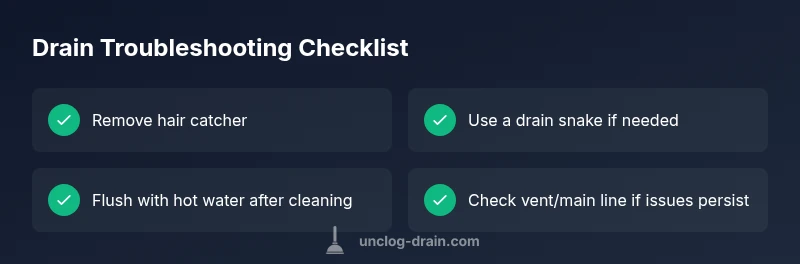
Before grabbing tools, perform a few low-risk checks that cover most beginner issues. First, remove the drain cover or hair catcher and pull out any obvious hair, soap chunks, and gunk. Boiling water can help, but if you have PVC pipes, use hot—not boiling—water to avoid damage. Fill the tub with a few inches of hot water and pull the plug to test flow. If water still lingers and drains slowly, proceed with mechanical methods rather than more cleaners. Remember: never mix chemical cleaners with other chemicals, and never use Drano repeatedly in a single attempt. For safety, wear gloves and eye protection.
Mechanical methods to clear a slow drain
When chemical cleaners fail, mechanical methods are the next safest and most effective option. Start with a plunger designed for sinks—work a steady push-pull to generate suction, then lift to see if the flow improves. If that doesn’t help, use a hand auger (plumber’s snake) to reach deeper into the trap and beyond. Insert the snake slowly, rotate, and pull out any debris you retrieve. After clearing, flush with hot water and test the drain multiple times to confirm a steady flow. Regularly cleaning the trap and keeping a small strainer can reduce future clogs.
Drano not working? Alternatives that actually work
If Drano not working, switch tactics. Mechanical methods are typically more reliable for tub drains. A drain snake, a bent wire hanger, or a compact drill-powered auger can dislodge deeper clogs. Natural options like baking soda followed by vinegar can help with organic buildup, but avoid relying on them for solid obstructions. For mineral-scale buildup, a gentle descaler recommended for pipes can help, but use only products labeled for home plumbing and follow the manufacturer’s instructions. If you still can’t restore regular drainage after these steps, consider a professional inspection to safely clear the line and check the venting system.
Venting and deeper causes you should know
Slow drainage can be caused by venting issues, especially if air pressure in the drainage system is blocked. If a vent is clogged or the main sewer line is partially blocked, you may notice gurgling noises in other fixtures or slow drainage across the house. A professional can inspect the vent stack, run a camera inspection, and confirm whether the problem is local to the tub or systemic. If you have repeated clogs despite proper cleaning, don’t dismiss the possibility of a vent or main line problem—addressing this early can prevent recurring damage.
Prevention tips to keep tub drains clear
To prevent future slow drains, adopt a simple maintenance routine. Use a hair catcher and clean it weekly. Run hot water after showers or baths to dissolve soap scum, and flush the drain with a cooperative amount of vinegar and baking soda every month to reduce buildup. Periodically inspect the trap for signs of wear or leaks and replace worn washers promptly. For households with hard water, consider a preventive descaling treatment designed for home plumbing. Keeping up with maintenance minimizes the need for aggressive cleaning and reduces the risk of clogs returning.
Steps
Estimated time: 40-75 minutes
- 1
Gather your tools and safety gear
Collect a bucket, rubber gloves, pliers, a hair catcher, a plunger, a hand auger (snake), and a flashlight. Clearing a tub drain safely begins with proper preparation to avoid mess and spills. Inspect your tools for wear and clean them after use.
Tip: Protect floors with towels or a small tarp; keep a trash bag handy for debris. - 2
Remove hair catcher and trap
Lift the hair catcher, remove it from the drain, and pull out visible hair and gunk from the trap. If the trap is removable, do so carefully to inspect the inside for buildup. Wipe the interior and reinstall once clean.
Tip: Take a photo of the trap setup before disassembly to ensure proper reassembly. - 3
Flush with hot water
Boil water in a kettle or pot and slowly pour down the drain in stages. This loosens grease and soap scum in the pipe. Repeat once or twice and check flow.
Tip: Do not use boiling water on PVC pipes; choose very hot water if you’re unsure about pipe material. - 4
Use a plunger or hand auger
Seal the drain with the plunger and pump steadily to create suction. If unresolved, insert the hand auger into the drain, rotate gently, and push forward to break up the clog. Retrieve any debris as you pull the auger back.
Tip: Avoid forcing the tool; resistance means you may be near the clog—adjust angle or go deeper with the snake. - 5
Flush and test multiple times
Run hot water for several minutes and observe the drain. If water still pools, repeat the snake technique or move to the next method. You should see improved drainage with each pass.
Tip: Test with a few inches of water, not a full bath, to gauge speed without overflow risk. - 6
Check venting and main line if needed
If slow drainage persists after thorough cleaning, inspect the vent stack or call a pro for a camera inspection of the main drain line. This step confirms whether the issue is localized or systemic.
Tip: Avoid DIY vent cleaning if you’re unsure; missteps can introduce sewer gas exposure. - 7
Restore and prevent
Reassemble any removed parts, run water down, and monitor performance. Establish a maintenance routine to prevent recurrence: hair catcher, monthly flush, and gentle descalers as recommended for your plumbing.
Tip: Keep a routine log of maintenance and note any recurring signs early.
Diagnosis: Slow bathtub drain that remains slow after using Drano
Possible Causes
- highHair and soap scum buildup near the trap or in the U-bend
- mediumMineral deposits and soap scum lining the pipe
- lowVent issues or partial main-line clog affecting drainage
- lowIncorrect use of cleaners or incompatible products causing residue build-up
Fixes
- easyRemove the drain cover, clean the trap, and flush with hot water; re-test drainage
- mediumUse a drain snake or hand auger to clear deeper blockages
- hardInspect or clean the vent stack and consider a camera inspection if persistent
Common Questions
Why isn’t Drano clearing a slow bathtub drain?
Chemical cleaners like Drano often fail when the clog is hair-based or located deeper in the trap or main line. Mechanical methods are typically more effective for tub drains. Repeated chemical use can also irritate, and in some cases, damage pipes.
Chemical cleaners often don’t reach hair clogs. Try mechanical methods, and consider avoiding repeated chemical use.
Can a vent be causing a slow tub drain?
Yes. A blocked vent prevents air from escaping and can slow drainage in one or multiple fixtures. If you hear gurgling in other drains or if the tub remains slow after cleaning, a vent check by a pro is warranted.
Vent issues can slow drains; a professional should check the vent stack.
How do I safely remove a tub trap?
Turn off the water, place a bucket beneath the trap, and unscrew the connections with proper tools. Clean and reinstall with new washers if needed. If the trap is corroded or stuck, call a plumber to avoid leaks.
Shut off water, drain, and carefully remove the trap; replace worn parts if needed.
When should I call a plumber?
If you’ve tried plunger, snake, and safe cleaners with no improvement, or if you suspect vent or main-line issues, it’s time to call a professional. A licensed plumber can diagnose with camera inspection and prevent damage.
If cleaning fails or you suspect vent/main-line issues, call a plumber.
Can mineral buildup cause a slow tub drain?
Yes. Mineral deposits can coat pipe walls, reducing flow. Descalers or specialty cleaners designed for pipes can help, but repeated use should be done cautiously and according to manufacturer directions.
Mineral buildup can slow drainage; use pipe-safe descalers as directed.
Is it safe to use baking soda and vinegar as a maintenance routine?
Yes, as a periodic maintenance measure, but it won’t replace mechanical clearing for a real clog. It can help with organic buildup when used sparingly and correctly.
Baking soda and vinegar can help with routine maintenance, not deep clogs.
Watch Video
Key Points
- Identify the real cause: hair, soap scum, or mineral buildup.
- Start with simple checks before mechanical tools.
- Avoid repeated chemical cleaners if Drano not working.
- Call a pro for vent/main-line concerns; prevention matters.