How to Remove Shower Drain to Unclog: A DIY Guide
A comprehensive, step-by-step DIY guide on how to remove a shower drain to unclog safely, with tools, pro tips, maintenance tips, and troubleshooting advice from Unclog Drain.


By following this guide, you’ll learn how to remove a shower drain to unclog safely and effectively. You’ll access the trap, clear hair and debris, and reseal the drain to restore flow. This approach minimizes mess and avoids harsh chemicals. It includes safety steps, tool checks, and testing for leaks.
Understanding the problem: how to remove shower drain to unclog
Clogs in shower drains are mostly caused by hair, soap scum, and a buildup of residue that traps debris. Over time, this creates a compact blockage that reduces drainage speed or completely stops flow. Learning how to remove shower drain to unclog is not just about pulling hair; it’s about accessing the trap, clearing the pathway, and restoring a clean, smooth surface for water to pass. According to Unclog Drain, Unclog Drain Analysis, 2026 shows most shower clogs begin with hair accumulation and soap scum forming a compact blockage. When you tackle the drain with care, you minimize the risk of pipe damage and avoid harsh chemical cleaners. The goal is a clear drain path and a sealed, leak-free connection when you finish. This guide covers the why, when, and how—plus practical steps and maintenance tips to prevent future clogs.
Safety and prep: the foundation of removing a shower drain to unclog
Before you touch the drain, turn off the water supply to prevent backflow and prepare the area. Remove any standing water with a bucket and towels, and wear gloves to protect your hands. Ensure good lighting and create a clean workspace around the shower base. Inspect the drain cover visually to determine how it’s secured and whether you’ll need a coin, flathead screwdriver, or specialized tool to lift it. A careful, steady approach minimizes the risk of scratching the drain body or loosening seals. Remember: this is a mechanical task, not a chemical one, so plan for physical access rather than pouring in cleaners.
Tools and materials you’ll need (and what each item does)
- Hair catcher or strainer: traps debris and makes future maintenance easier. (required)
- Flathead screwdriver or coin: lift and remove the drain cover without slipping. (required)
- Gloves (rubber): protect hands from sharp edges and dirty water. (required)
- Bucket: catch water and small debris as you work. (required)
- Drain snake/auger: reach deeper into the drain to break up or pull out clogs. (required)
- Plunger: can help dislodge minor clogs near the opening. (optional but recommended)
- Towels or rags: absorb spills and keep the workspace dry. (required)
- Flashlight: improves visibility in tight spaces. (optional but helpful)
- Adjustable wrench or pliers: assist with loosening slip nuts if you encounter a trap. (optional)
Step-by-step overview: how the process unfolds (overview, not the exact steps)
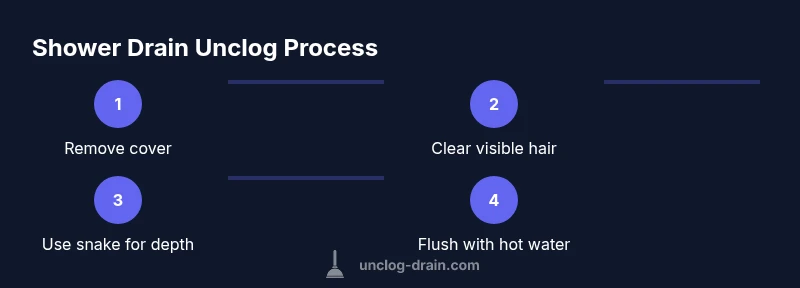
The process involves accessing the drain, clearing visible hair, then using a snake to reach deeper if needed. You’ll check the trap for debris and reseal connections to prevent leaks. While this block offers context, the detailed, numbered steps appear in the dedicated Step-by-Step section to keep actions precise and actionable. After clearing the blockage, you’ll flush the system with hot water to confirm drainage efficiency, and finally reassemble and test for leaks. Following a methodical approach makes the job safer and more reliable.
Cleaning, testing, and verifying success
With the clog cleared, flush the drain with hot water to observe flow. If water still pools, re-check the trap area and run the snake one more time. A successful unclog shows water draining quickly and consistently without backing up. Inspect the surrounding seals for any signs of wear or leaks and replace gaskets if needed. This stage is also a good time to clean the surrounding tiles and the drain cap, ensuring no remnants of hair remain that could quickly reform a blockage. Regular inspection and gentle maintenance reduce the likelihood of recurring clogs.
Reassembly, resealing, and maintenance to prevent future clogs
Reinstall the drain cover securely, ensuring the cover sits flush and the seal is intact. If you removed a trap, reconnect its slip nuts firmly but without overtightening, then clean any residual debris from the rim and gasket. After you restore water flow, look for leaks around joints and the cover. To prevent future clogs, add a hair catcher, establish a monthly maintenance routine, and consider flushing the drain with hot water or a mild cleaning routine quarterly. A proactive approach lowers the chance of repeated blockages and preserves drain health for longer.
When to call a professional and final notes
If the clog persists after a thorough manual clean, or if you notice persistent leaks, corrosion, or signs of a damaged pipe, it’s wise to call a professional plumber. The Unclog Drain team recommends erring on the side of caution when you encounter stubborn clogs, unusual odors, or low water pressure that doesn’t improve after cleaning. For many homeowners, a DIY unclogging job is sufficient, but knowing when to escalate protects your pipes and home infrastructure over the long term.
Tools & Materials
- Flathead screwdriver or coin(Lift drain cover; avoid prying harshly to prevent damage)
- Gloves (rubber)(Protect hands from grime and sharp edges)
- Bucket(Catch water and debris as you work)
- Drain snake/auger(Reach deeper into the drain for stubborn clogs)
- Plunger(Cup or standard plunger for initial dislodging)
- Towels or rags(Keep area dry and absorb spills)
- Flashlight(Improve visibility in tight spaces)
- Adjustable wrench or pliers(Help with loose slip nuts on traps)
Steps
Estimated time: 60-90 minutes
- 1
Turn off water and prep space
Shut off the shower’s water supply to prevent backflow. Place towels on the floor and have your bucket ready. Put on gloves and ensure adequate lighting before you start.
Tip: Confirm the water is truly off by briefly turning on a nearby faucet. - 2
Remove the drain cover
Use a flathead screwdriver or coin to loosen and lift the cover. Set the cover and any screws aside in a safe spot so you don’t lose them.
Tip: Take a photo of the cover orientation for easy reassembly. - 3
Clear visible hair and debris
Put on gloves and remove easily accessible hair and gunk from the drain opening. Place debris in the bucket and wipe the area clean.
Tip: If debris is stubborn, pause and switch to a slow, steady motion with the hand or a small tool. - 4
Inspect and access the trap
If a trap exists, unscrew the slip nuts with an adjustable wrench and carefully lower the trap. Be prepared for additional water to drain when you loosen the connection.
Tip: Support the trap with one hand to prevent sudden spills. - 5
Extend the drain snake and clear depths
Insert the snake into the drain and rotate the handle as you push forward. Retrieve debris as it catches, then pull back and clean the head before reinserting if needed.
Tip: Use slow, controlled turns to avoid damaging pipes. - 6
Test drainage and flush
Reassemble the trap if removed, then run hot water to test drainage. If water still pools, repeat the snake procedure or check for secondary blockages further down the line.
Tip: Don’t force beyond resistance; reassess if you meet a stubborn clog. - 7
Seal, reassemble, and restore water
Tighten all joints, reseat the drain cover, and restore the water supply. Watch for leaks around the seal and adjust as needed.
Tip: Apply plumber’s putty or silicone around edges if you detect a mild leak. - 8
Cleanup and maintenance plan
Wipe the area clean, remove tools, and store them properly. Install a hair catcher and plan monthly checks to prevent future clogs.
Tip: Set a reminder to inspect the drain every 4 weeks.
Common Questions
Is it safe to remove a shower drain by yourself as a DIY homeowner?
Yes, it’s generally safe for most homeowners to remove a shower drain and clear a clog, provided you follow safety steps, turn off water, and use the proper tools. If you encounter corrosion, damaged pipes, or persistent leaks, consider consulting a professional.
Yes, most DIYers can remove a shower drain and clear clogs if they follow safety steps and use the right tools. If you see corrosion or leaks, call a pro.
What should I do if the clog persists after removing the drain?
If the clog remains, re-check the trap for debris, extend the drain snake deeper, and consider a second pass. If you still can’t clear it, the blockage may be further down the line and professional equipment may be required.
If the clog stays after cleaning, recheck and try again. If it’s still blocked, call a pro.
Can I use chemical drain cleaners after removing the drain?
Using chemical cleaners after removing the drain is generally not recommended. They can damage seals, pipes, and pose safety hazards in enclosed spaces. Mechanical methods are safer for most residential showers.
Chemical cleaners can damage seals and pipes; mechanical clearing is usually safer.
How do I prevent future clogs in a shower drain?
Install a hair catcher, rinse with hot water weekly, and clean the trap every few months. Avoid pouring oils or large quantities of hair into the drain, and consider regular maintenance checks.
Use a hair catcher and rinse regularly to prevent clogs.
Should I replace the drain gasket or seal after reassembly?
If you notice a leak after reassembly, replace the gasket or reseal joints with plumber’s putty or silicone. Ensure the drain cover sits flush and the seal is intact.
If leaks appear, reseal with silicone and check the gasket.
Watch Video
Key Points
- Plan before you dive into the drain.
- Use the right tools to avoid damage.
- Test drainage after major steps to confirm progress.
- Prevent future clogs with maintenance and a hair catcher.