DIY Unclog Tub Drain: A Practical Home Guide to Clear Drains
Learn how to unclog a tub drain yourself with a safe, step-by-step method. This guide covers tools, techniques, and maintenance to prevent future clogs in showers and bathtubs.


By the end of this guide, you will confidently unclog a tub drain using common tools and safe techniques. You’ll know when to plunge, snake, enzymatic cleaners, or rinse, plus how to prevent future clogs and protect pipes from hair and soap buildup.
Understanding tub drain clogs and why DIY works
Tub drain clogs are a common home nuisance, usually caused by a combination of hair, soap scum, and mineral buildup over time. Simple daily habits and routine maintenance can prevent most blockages, saving you time and money. With patience and the right approach, many clogs can be cleared without calling a plumber. According to Unclog Drain, most homeowners can restore normal flow by following a structured, safe process that combines mechanical methods with preventive care. Recognizing the signs—slower drainage, gurgling sounds, or standing water—you can act before the clog becomes stubborn. This section sets the stage for practical, hands-on fixes you can perform in under an hour when the blockage is routine and not a sign of a larger plumbing issue.
Safety first: assess and prepare
Before you reach for tools, ensure the area is ready for work. Wear durable gloves and eye protection, and keep a bucket and towels within reach. Remove any standing water if possible; this reduces splash and makes the next steps more effective. If you notice sewage backup, strong odor, or bursting pipes, stop and call a professional—these are signs of a more serious problem. Always unplug electrical devices nearby and avoid mixing cleaners. Safe practice also means knowing your limits: DIY unclog tub drains works best for common blockages near the surface, not for long, deep blocks or questionable pipe integrity. By starting with safety, you protect yourself and your home while maintaining progress toward a clear drain.
Common causes and diagnosing the clog
Most tub drain clogs stem from hair accumulation, soap scum, and mineral deposits forming a stubborn plug. In some cases, objects that accidentally fall into the drain can worsen the situation. When diagnosing, work from the drain opening toward the pipe to identify where the flow becomes restricted. Look for visible hair strands near the grate or screen and check the trap area if accessible. If water drains slowly after a brief plunge, you’re likely dealing with a surface-level blockage; if the water remains pooled despite plunging, deeper intervention (like a snake) may be required. Correct diagnosis helps you pick the safest and most effective method.
Prepare your workspace and choose method
Clear the surrounding area and lay down towels to catch splashes. Choose a method based on the clog’s estimated position: surface-level blockages respond well to plunging, while deeper hair masses may require a drain snake. Enzymatic cleaners can help prevent future buildup but are slower to act than mechanical methods and are generally safe for most bathroom pipes. Avoid metal objects that could damage the drain or pipes, and never mix chemical cleaners with other cleaners; this can create dangerous fumes or damage seals. This preparation ensures you’re ready to act quickly and safely when the blockage is confirmed.
Step 1: Remove the drain cover and inspect
Begin by removing the drain cover or screen to access the clog. Use the flashlight to inspect for obvious hair and debris trapped at the top. If you see hair, you can attempt to pull some strands out with gloved hands or a small tool designed for grill cleaning. Keep your bucket nearby to catch hair and gunk that comes loose. This first step confirms whether you’re dealing with a shallow obstruction or a deeper issue and guides your next move. If the cover threads are damaged or tight, take care to avoid stripping them as you pry them loose.
Step 2: Plunge effectively and safely
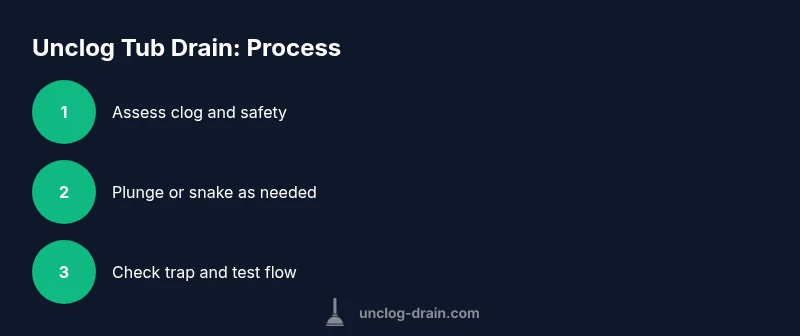
Position a cup plunger directly over the drain opening, ensuring a tight seal around the edge. Add enough water to cover the plunger cup, then pump up and down with steady, confident strokes. The goal is to create a pressure surge that dislodges the clog without forcing water everywhere. If the water doesn’t move after several cycles, break the seal and reassess; sometimes a second approach is needed. Plunging is most effective for shallow, hair-related blockages near the drain surface and is a good initial tactic before moving to a snake.
Step 3: Use a drain snake or auger for deeper clogs
If plunging doesn’t clear the drain, a hand-crank drain snake provides greater reach. Insert the snake slowly into the drain, rotating the handle to extend it into the pipe. When you feel resistance, gently guide the snake back and forth to break the blockage. Pause to pull out hair or debris on the snake’s head, then continue feeding and rotating as needed. A small basin or bucket helps collect gunk. For shallow clogs, a flexible snake with a 3–6 ft reach is usually sufficient; longer segments are rarely necessary for typical tub drains.
Step 4: Check the P-trap and clean as needed
Some tubs have an accessible P-trap beneath the drain you can detach for a thorough cleaning. Place a bucket underneath, loosen the slip nuts with a wrench, and carefully remove the trap. Clear any visible debris with gloves or a brush, rinse the trap with warm water, and reinstall ensuring a tight seal. If you see mineral buildup, a mild vinegar-water rinse can help, but avoid harsh solvents in a closed space. Reassemble, run hot water, and monitor the drain’s flow. This step is crucial for preventing reoccurring clogs caused by trapped gunk.
Step 5: Rinse, test, and prevent future clogs
After clearing, run plenty of hot water to flush the system. Reinstall any covers you removed and confirm the drain is flowing freely by filling the tub and letting it drain again. If you still notice slow drainage, repeat the snake or consider enzyme-based cleaners that target hair and soap scum without harsh chemicals. To prevent future clogs, use a drain screen, clean hair from the grate after showers, and schedule periodic maintenance. Regular habits save time and keep your drain functional.
Troubleshooting common scenarios and when to call a pro
Hairy clogs near the surface usually respond to plunging or a short snake. Deeper blockages may require a longer auger or professional equipment. If you encounter recurring backups, foul odors, or sudden water level changes, stop DIY attempts and consult a licensed plumber. Recurrent problems may indicate a venting issue or a more complex plumbing fault that needs professional diagnosis. Remember: safety first—if you’re unsure about your plumbing system’s condition, seeking expert help is wise.
Authority sources and further reading
- EPA WaterSense: https://www.epa.gov/watersense
- University extension resources on home plumbing and clogs: https://extension.illinois.edu/
- OSHA safety guidelines for working around water and electrical components: https://www.osha.gov/
These sources provide general plumbing safety and maintenance best practices to complement your DIY approach. The goal is to maintain a clean, efficient drain while protecting home plumbing and personal safety. For a quick visual, see the linked materials and apply the principles that fit your tub setup.
Maintenance checklist to prevent future clogs
- Install a fine-mesh drain strainer to catch hair and soap scum.
- Clean the strainer weekly and rinse it with warm water after use.
- Run hot water for 15–30 seconds after each shower to push debris through the drain.
- Schedule a quarterly check of the P-trap if accessible and clear visible buildup.
- Avoid pouring grease or large food particles down the drain in bathrooms and kitchens to minimize clogs.
Tools & Materials
- Cup plunger (do not use a flange plunger)(Choose a size that fits the tub drain opening for a good seal.)
- Drain snake / auger (manual)(A 3–6 ft snake handles most tub clogs.)
- Gloves (rubber or nitrile)(Protection against hair, bacteria, and cleaning agents.)
- Bucket or basin(Catch water and debris during cleanout.)
- Towels or rags(Contain spills and protect the tub surface.)
- Flashlight(Helps inspect inside the drain and trap area.)
- Wrench (if needed to remove trap nuts)(Only if your tub has an accessible P-trap.)
- Enzymatic drain cleaner (optional)(Safer alternative for maintenance between deep cleans.)
- Old toothbrush or small brush(Loosen hair near the drain grate.)
Steps
Estimated time: 30-60 minutes
- 1
Prepare the workspace and safety setup
Clear the area around the tub, place towels, and gather tools. Put on gloves and consider eye protection. Remove standing water if possible to reduce splashes. This stage reduces mess and keeps you safe as you work through subsequent steps.
Tip: Keep hot water handy for later rinsing; a dry surface is safer for tool use. - 2
Remove drain cover and inspect
Carefully pry off the drain cover with a flat tool if needed, using a flashlight to look inside. Note any visible hair or debris. If the cover is stubborn, do not force it—cracking the cover can create sharp edges and future leaks.
Tip: Take a quick photo of the setup to reference when reassembling. - 3
Plunge the drain (surface-level clog)
Seal the drain with a cup plunger and add enough water to cover the plunger. Use firm, vertical strokes to create pressure without splashing. If water clears after several cycles, you’ve likely cleared the surface clog.
Tip: Ensure a tight seal; poor suction reduces effectiveness. - 4
Use a drain snake for deeper blockages
Insert the snake into the drain and turn the handle to extend it into the pipe. When you encounter resistance, gently twist and pull back to dislodge hair and debris. Pull out the snake slowly to avoid pushing debris further.
Tip: Go slow when withdrawing to bring debris to the surface. - 5
Check the P-trap and clean
If accessible, place a bucket beneath the trap and carefully loosen the nuts to remove it. Clear out buildup with gloves or a brush, rinse, and reassemble tightly. Run hot water to flush the system.
Tip: Recheck seals after reassembly to prevent leaks.
Common Questions
What is the best tool for an average tub clog?
For many bathtub clogs, a cup plunger is the quickest fix. If that fails, a hand-crank drain snake provides better reach to clear deeper blockages. Avoid harsh chemical cleaners as a first resort.
A plunger is often the quickest fix, and a drain snake works if the clog is deeper. Avoid heavy chemical cleaners first.
Can I remove the P-trap myself in a tub drain?
Yes, if the P-trap is accessible. Place a bucket underneath, loosen the slip nuts with a wrench, and clear debris. Reassemble tightly and test for leaks before using the tub.
If you can access it, you can remove and clean the P-trap. Just be careful reassembling to avoid leaks.
Are chemical drain cleaners safe for tubs?
Most chemical cleaners are not ideal for tubs as they can damage seals and pipes if used improperly. Use enzymatic cleaners sparingly for maintenance and rely on mechanical methods for clogs.
Chemical cleaners can be harsh on pipes; use them cautiously and consider mechanical methods first.
How long does a DIY unclog typically take?
A simple surface clog can take 15-30 minutes; a deeper blockage might take 30-60 minutes. If the clog persists after a second attempt, consider professional help to avoid damage.
Most DIY jobs finish in under an hour, depending on clog depth.
When should I call a plumber?
Call a plumber if clogs recur after multiple attempts, there’s sewage smell, or water backs up in other drains. Persistent issues may indicate venting problems or more complex plumbing faults.
If the blockage keeps coming back or you notice sewer smells, it’s time to call a pro.
Watch Video
Key Points
- Clear the area and safety first.
- Plunge for surface clogs; use a snake for deeper ones.
- Inspect and clean the P-trap when accessible.
- Prevent future clogs with screens and routine flushing.
- If blockages recur, consider professional help to rule out venting or pipe issues.