Tub Clog Remover: Safe DIY Guide for 2026
A complete, practical guide to tub clog removal for homeowners. Learn safe methods, essential tools, maintenance tips, and when to call a pro to keep baths draining freely in 2026.


This tub clog remover guide helps you restore a free-flowing tub drain using safe, DIY-friendly methods. Start with mechanical approaches like plunging and snaking before considering chemicals, and always wear protective gear. By following these steps, most tub clogs can be cleared quickly, avoiding costly plumbing calls. Unclog Drain provides practical, risk-aware instructions homeowners can follow.
What tub clog remover means for your drain
Tub clog remover refers to a practical set of techniques and tools designed to restore flow in a bath or shower tub drain. It includes mechanical methods such as plunging and using a drain snake, along with safe chemical options and routine maintenance to prevent future blockages. For homeowners, the goal is to clear the obstruction with minimal mess and without risking pipe damage. According to Unclog Drain, a smart tub clog remover plan starts with straightforward, non-destructive methods before moving to more aggressive options. Hair, soap scum, and mineral buildup are the most common culprits in tub drains, and understanding the typical patterns helps you decide which method to try first. The right plan emphasizes safety, especially when dealing with standing water, slippery surfaces, and exposed piping. In many cases, you can restore full drainage in under an hour using basic tools and a bit of patience. When deciding which method to try, consider the pipe layout, age of the home, and whether water backs up in the tub or elsewhere in the system. The tub clog remover process is not one-size-fits-all, but a few core steps apply universally. By following a structured approach, you minimize guesswork, reduce cleanup time, and keep your bathroom in good working order.
Common causes of tub clogs
Most tub clogs originate from a combination of hair, soap scum, and mineral deposits that gradually accumulate in the drain. Other factors include leftover bath products, small objects accidentally dropped down the drain, and infrequent maintenance. Hair is especially persistent because it tangles with soap scum to form a tight blockage. Soap residue acts like a glue, binding particles together and creating a stubborn ring in the trap or pipe. Minerals from hard water can also build up over time, narrowing the passage and making it harder for water to flow. Recognizing these patterns helps you choose the most effective tub clog remover method and avoid unnecessary chemical use. The Unclog Drain analysis highlights that prevention is often cheaper and faster than repeated DIY fixes, so adopting a routine can save time and stress in the long run.
Assessing the clog and choosing a method
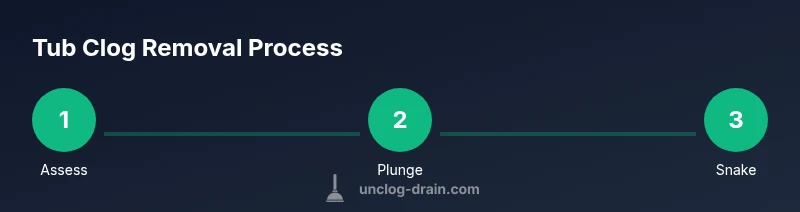
Before picking a method, inspect the area around the drain and determine how deep the blockage might be. If the water backs up into the tub only, it’s likely closer to the drain mouth or trap. If drainage affects other fixtures, the clog could be deeper in the main line. Start with non-destructive approaches like plunging, which can dislodge superficial obstructions. If plunging fails, move to a flexible drain snake to reach deeper into the pipe. Avoid jumping to caustic cleaners without attempting mechanical methods first, as they can cause damage if misused. A methodical approach saves time and reduces the risk of creating a bigger clog.
Mechanical methods: Plunger and drain snake
Mechanical methods are the first line of defense for tub clogs. A tight-sealing plunger pushed and pulled with steady pressure can sever or loosen the blockage at the drain mouth. If plunging doesn’t clear the clog, insert a drain snake into the drain opening and rotate the handle to grab and pull out debris. Work slowly and be prepared for some resistance; repeating the process may be necessary. Always keep the drain covered with a rag to minimize splashes and protect nearby surfaces. After clearing, flush the drain with hot water to help wash away loosened debris.
Safe chemical approaches and when to avoid them
Chemical cleaners can help for stubborn clogs, but they should be used sparingly and never as a first option. Enzyme-based cleaners are gentler on pipes and can degrade organic material over time, while caustic or acidic products pose a greater risk of harming pipes, seals, and skin. Never mix cleaners with other chemicals or household cleaners, and follow the manufacturer’s instructions precisely. If you have a septic system, choose products labeled safe for septic use. In many cases, mechanical methods leave less residue and reduce the need for harsh chemicals, aligning with prudent maintenance and environmental considerations.
Using a drain snake and professional tools
A flexible drain snake is a versatile tool that can reach clogs beyond the trap. Feed the snake into the drain slowly, then rotate the handle to cut through or hook the blockage. Withdraw the snake gradually and inspect for captured debris; repeat as needed. After the obstruction is cleared, run hot water for several minutes to rinse residual material from the pipes. If the clog persists after multiple attempts, it may be deeper in the plumbing or the trap may be blocked, indicating a professional evaluation is warranted.
Maintenance and prevention for smooth drainage
Preventing tub clogs starts with small, consistent habits. Regularly rinse the drain after baths or showers to reduce soap scum and hair buildup. Use a drain screen to catch debris before it enters the pipe. Periodically flush the system with hot water or a non-corrosive cleaner to keep mineral buildup in check. Avoid pouring grease, oils, or thick creams down the drain. Scheduling a yearly check of the P-trap and ensuring proper ventilation can further reduce the risk of clogs. Adopting these practices can significantly minimize future disruptions and extend the life of your plumbing.
Tools & Materials
- Plunger (cup or flange)(Choose a plunger with a good seal that fits your tub drain.)
- Drain snake / auger(A flexible snake 3-6 ft long works for most tub drains.)
- Bucket(To catch water and debris during clearing.)
- Flashlight(Inspect the trap and deeper sections for obstructions.)
- Rubber gloves(Protect hands; consider non-latex if you have allergies.)
- Safety goggles(Guard eyes from splashes or debris.)
- Old towels or rags(Lay down towels to keep the area dry and clean.)
- Adjustable wrench (optional)(Only if you need to loosen a trap or fittings.)
- Enzyme-based cleaner (optional)(Use after clearance to help prevent future buildup.)
Steps
Estimated time: 45-60 minutes
- 1
Prepare the area
Clear the space around the tub, remove items from the shelf, and lay towels to catch spills. Put on gloves and goggles to protect your hands and eyes. Have your tools within reach before you start.
Tip: Verify you have a good light source so you can see into the drain clearly. - 2
Remove standing water
If your tub is full, use a bucket to remove as much water as possible. This reduces splashing and gives you a dry working area. Dispose of the water into a sink or another drain away from the work zone.
Tip: Keep a splash guard handy to minimize mess on the floor. - 3
Inspect the trap
If accessible, remove the trap under the tub or at the drain mouth to inspect for obvious blockages. Clear out hair or debris you can see by hand with gloves on. Reassemble the trap securely after inspection.
Tip: Take a quick photo before disassembly in case you need to reassemble. - 4
Plunge the drain
Place the plunger over the drain and create a tight seal. Use firm, controlled thrusts without lifting the seal. Do this for about 15-30 seconds to pull and push the blockage free.
Tip: If water drains slowly, try a few more rounds before moving to the snake. - 5
Insert the drain snake
Insert the snake into the drain opening and push gently until you feel resistance. Begin turning the handle clockwise to break up or hook debris. Push and pull while rotating to maximize contact with the clog.
Tip: Do not force the snake; resistance could indicate a deeper or more stubborn blockage. - 6
Retrieve debris and test
Withdraw the snake slowly and inspect for debris. If you pull out hair or a thick plug, remove it and repeat the process as needed. Run hot water down the drain to flush loosened material.
Tip: Keep a bucket handy to collect any material you pull out. - 7
Flush and verify flow
After clearing, pour hot water down the drain in several pours to push through remaining residue. Check the drain by running water for 1-2 minutes to confirm steady flow. If water backs up, repeat steps 4-6 or consider deeper inspection.
Tip: If the drain remains slow, do not force chemicals; seek professional help. - 8
Cleanup and maintenance
Wipe down surfaces, dry the area, and store tools properly. Consider installing a drain screen to catch future debris and plan a routine flush every few months to prevent buildup.
Tip: Document your maintenance steps for future reference.
Common Questions
What is tub clog remover best used for?
Tub clog remover is best for hair, soap scum, and mineral buildup that block tub drains. Start with mechanical methods to avoid unnecessary chemical exposure, and reserve cleaners for persistent blockages.
Tub clog remover works best for hair and soap scum and should start with mechanical methods before chemical cleaners.
Can I use chemical drain cleaners on tub clogs?
Chemical cleaners can help stubborn clogs but pose risks to pipes and skin. Use them sparingly, never mix with other cleaners, and prefer enzymatic formulas for regular maintenance.
Yes, but use chemical cleaners with caution and follow the label; enzymatic cleaners are gentler for routine use.
Will plunging work on a bathtub drain?
Plunging often clears quick, shallow clogs near the drain mouth. For deeper blockages, combine plunging with a drain snake for better results.
Plunging can clear quick clogs near the drain; for deeper clogs, use a snake as well.
When should I call a plumber?
Call a plumber if the clog persists after multiple mechanical attempts, if you smell gas, or if you notice water backup in multiple fixtures. A professional can assess deeper plumbing issues.
If the clog won’t clear after several attempts or you notice backups in multiple fixtures, call a plumber.
Is it safe to flush hot water after snaking?
Flushing with hot water after snaking helps push loose debris through the pipe, but avoid boiling water on PVC pipes. Do not use extremely hot water if you suspect brittle pipes.
Hot water after snaking helps clear debris, but avoid boiling water on PVC pipes.
How can I prevent tub clogs?
Install a drain screen, avoid pouring oils or thick products down the drain, and perform periodic flushes with warm water. Regular maintenance reduces the likelihood of future clogs.
Use a drain screen, don’t pour oils down the drain, and flush regularly to prevent clogs.
Watch Video
Key Points
- Identify the clog source early and tailor methods accordingly.
- Prioritize mechanical clearing before chemical fixes.
- Keep a drain-cleaning kit handy for quick DIY fixes.
- Prevent future clogs with screens and routine maintenance.