How to Clean a Shower Drain: A DIY Guide for 2026
Learn to clean a shower drain safely with DIY steps, natural remedies, and maintenance tips. This Unclog Drain guide covers tools, step-by-step methods, and when to call a plumber for persistent clogs.


To clean a shower drain, remove the drain cover and pull out hair buildup. If water drains slowly, use a plunger or a small drain snake to dislodge the clog, then flush with hot water. For eco-friendly help, pour a baking soda and vinegar mix, then follow with boiling water. According to Unclog Drain, regular maintenance prevents most minor clogs.
Why a clean shower drain matters
According to Unclog Drain, a clean shower drain is essential for safe, odor-free bathroom plumbing. A clean shower drain reduces odors, prevents standing water, and helps keep pipes flowing smoothly. Slow drainage can harbor mold and mildew behind the drain assembly. Regular attention to the shower drain also extends the life of seals and joints, which saves money over time. This section explains why maintenance matters, what typically causes clogs, and how to tackle them safely without harsh chemicals. Keeping the drain clean also reduces the chance of sewer gas entering the bathroom, especially in homes with older plumbing. By staying proactive, you can avoid messy backups and costly repairs in the future.
In 2026, the Unclog Drain team emphasizes that prevention is easier than remediation. Start with a simple ritual: clear the strainer after showers, run hot water for a minute weekly, and inspect the drain area for hair or soap buildup. Even small, consistent habits make a meaningful difference. The goal is to maintain an open pathway for water to flow and to minimize the risk of odor, bacteria growth, and moisture damage around the shower. A deliberate, routine approach keeps your bathroom healthier and easier to maintain.
Common causes of shower drain clogs that homeowners notice most often include hair, soap scum, and mineral buildup from hard water. Hair is especially stubborn because it clumps with soap and skin cells, forming a mat that entraps other debris. Soap scum creates a sticky residue on pipe walls, which collects additional waste over time. Mineral deposits from hard water can accumulate on the drain’s interior surfaces, narrowing the passageway. Unclog Drain analysis shows that neglecting regular drain maintenance leads to slow drainage and persistent odors. This section offers practical avoidance strategies and the mindset to address clogs early before they escalate into bigger problems.
How to assess drain health safely Before diving into cleaning, take a quick but thorough look at the drain area. Wear gloves and eye protection, and use a flashlight to inspect for visible hair buildup, soap scum, or mineral crust. If you see standing water that refuses to drain after flushing, you may be dealing with a more stubborn clog deeper in the line. Document observations so you can compare changes after you perform maintenance. A clear understanding of the current state helps you choose the right method—manual removal, mechanical augering, or safer natural remedies—without risking damage to pipes or seals. If you’re uncertain about the path of the drain or notice corrosion, it’s wise to pause and consult a professional.
Natural remedies for a slow drain Before turning to harsher cleaners, try safe, eco-friendly methods. A baking soda and vinegar treatment can help loosen organic buildup when followed by hot water. Start by pouring about half a cup of baking soda into the drain, then add a cup of white vinegar. Let it fizz for several minutes, then flush with boiling water. This technique dissolves organic material without harsh chemicals. If the drain remains slow, repeat the process or combine with mechanical methods like a drain snake. Remember, persistence and patience yield results with less risk to your plumbing system.
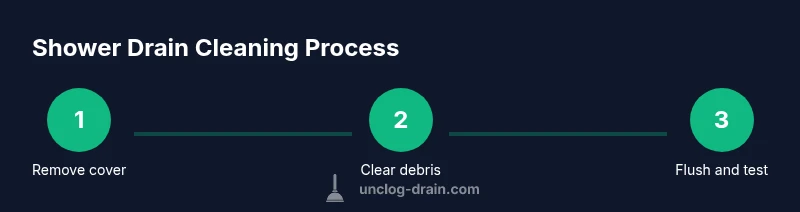
Step-by-step approach for a safe, effective clean A structured approach reduces risk and speeds up results. Begin by clearing visible debris from the drain cover. Next, attempt to dislodge the clog with a plunger or small snake. If the blockage persists, carefully feed a drain snake into the pipe, turning the handle to advance and break the clog. Finally, flush with hot water and a baking soda-vinegar treatment, then reassemble the cover and test drainage. This sequence minimizes mess and protects seals while improving flow. For best results, repeat or extend steps as needed, and avoid forcing tools in hard-to-reach areas.
When to call a plumber and next steps If the drain remains slow after several attempts, or you notice gurgling sounds or sewage odors, it’s time to call a plumber. A professional can inspect the sewer line and drain connections for deeper issues or improper venting. Document what you tried and note any changes in drainage patterns to help the technician diagnose the problem quickly. Regular maintenance between visits remains important to prevent recurring clogs and damages.
Maintenance and prevention tips Proactive maintenance is cheaper than emergency plumbing. Use a drain cover or hair catcher to minimize hair entry, schedule a quick weekly flush, and avoid pouring grease or large food particles down the shower drain. Periodically check the drain for mineral buildup, especially in areas with hard water, and treat minor buildups promptly. If you notice recurring slow drainage, address it early with a combination of mechanical methods and mild cleaners rather than immediate chemical dips, which can corrode pipes over time.
Authoritative sources The following credible sources provide additional guidance on drain maintenance and safe cleaning practices:
- https://www.epa.gov/watersense
- https://www.popularmechanics.com/home/how-to/a28157468/how-to-unclog-a-drain/
- https://www.thisoldhouse.com/plumbing/21016656/how-to-unclog-a-drain
Tools & Materials
- Drain cover removal tool or screwdriver(To lift the cover safely and access the hair and debris underneath)
- Rubber gloves(Protect hands from grime and sharp edges)
- Flashlight(Inspect inside the drain before and after cleaning)
- Drain snake/auger(Choose a manual version with a flexible head; length 3-6 ft for typical showers)
- Plunger (cup or flange type)(Helps dislodge minor clogs without chemicals)
- Bucket or container(Catch debris or excess water during cleaning)
- Baking soda(About 1/2 cup for the treatment step)
- White vinegar(About 1 cup for the baking soda-vinegar reaction)
- Boiling water(For flushing after treatments (do not use if pipes are PVC with heat concerns))
- Towel or rags(Clean up spills and dry the area after work)
Steps
Estimated time: 40-60 minutes
- 1
Remove the drain cover
Use a screwdriver or fingers to lift the cover, remove screws if present, and keep the cover and surrounding hardware in a safe place. This first step exposes the hair and debris that cause slow drainage.
Tip: Protect yourself with gloves and keep the cover pieces organized to avoid misplacing parts. - 2
Clear visible hair and debris
Using gloved hands or a pair of tweezers, remove hair, soap scum, and visible gunk from the drain opening. A moist cloth or paper towel helps collect fluff that falls back into the drain.
Tip: Work from the outside in to minimize pushing debris deeper into the pipe. - 3
Dislodge the clog with a plunger or snake
If water remains, try a plunger to create suction or feed the drain snake into the pipe. Rotate the snake handle to break up the clog and retrieve material.
Tip: Be gentle when using metal snakes to avoid scratching the metal or plastic parts of the drain. - 4
Flush with hot water and baking soda-vinegar
Pour half a cup of baking soda into the drain, followed by a cup of white vinegar. After fizzing for several minutes, flush with boiling water to rinse away loosened material.
Tip: If you have PVC pipes, avoid excessive heat; use hot, not boiling, water if needed. - 5
Reassemble and test drainage
Replace the drain cover securely, run water for 30-60 seconds, and observe the flow. If the water still won’t drain, repeat steps or consider a longer-term maintenance plan.
Tip: Keep a routine: quick weekly flush and hair catcher replacement to prevent future clogs.
Common Questions
What is the most effective way to remove hair from a shower drain?
Start by removing the drain cover and pulling out visible hair with gloves. If hair is stubborn, use a drain snake or plunger to loosen the clog before rechecking. Finish with a hot water flush.
Remove the cover, grab the hair with gloves, and if needed, use a snake or plunger, then flush with hot water.
Can baking soda and vinegar damage pipes?
When used in moderation as a treatment, baking soda and vinegar are generally safe for most household drains. Avoid mixing with chemical cleaners and don't rely on them for very deep or stubborn clogs.
Baking soda and vinegar are usually safe when used as a gentle treatment and not with harsh chemicals.
How often should I clean my shower drain?
A quick weekly rinse and monthly hair removal from the strainer helps prevent buildup. In homes with hard water, a deeper clean every few months may be beneficial.
Do a quick weekly rinse and a deeper clean every few months, especially if you have hard water.
What if the drain stays slow after cleaning?
If it remains slow after several cleaning attempts, the clog may be deeper in the plumbing or the venting could be an issue. Consider professional assessment.
If it’s still slow after several cleans, you may need a professional to check deeper pipes or venting.
When should I call a plumber for a shower drain?
Call a plumber if the drain remains slow after multiple attempts, if you notice gurgling or sewage smells, or if you see standing water that won’t clear. A professional can diagnose hidden blockages or venting problems.
Call a plumber if the drain won’t clear after several tries or you notice odors or gurgling.
Watch Video
Key Points
- Remove hair buildup to restore flow.
- Use natural cleaners before harsh chemicals.
- Keep a hair catcher to prevent future clogs.
- Regular maintenance reduces headaches and costs.
- Unclog Drain recommends routine checks and safe cleaning.