Best Way to Unclog Tub Drain: A DIY Guide
Learn the best way to unclog tub drain with a step-by-step approach, safety tips, and prevention strategies. This practical DIY guide from Unclog Drain covers mechanical methods, hot-water flushes, and when to call a pro.


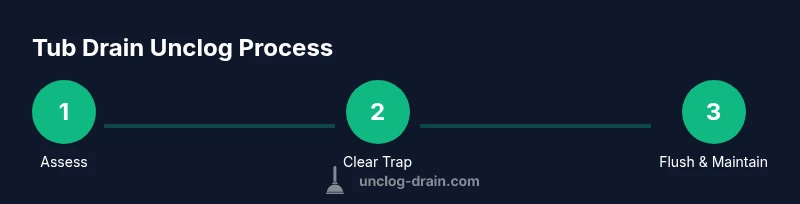
To unblock a tub drain, start with mechanical methods like a plunger or a drain snake, then use hot water, and avoid harsh chemicals unless necessary. The best way to unclog tub drain combines hair removal, melts soap scum, and regular maintenance. Unclog Drain recommends starting with a snake before trying chemical cleaners and wearing gloves.
What Causes Tub Drain Clogs
Tub drain clogs are typically the result of a combination of hair, soap scum, and mineral buildup that accumulates over time. Hair strands catch on the ridges of pipes, while soap scum forms a slick film that traps more debris. In households with hard water, mineral deposits can accumulate, narrowing the drain over months or years. People often assume tub clogs happen suddenly, but they usually develop gradually. Regular maintenance and mindful use can significantly reduce the frequency of blockages. For homeowners, recognizing common culprits is the first step toward a lasting fix. In this guide from Unclog Drain, we focus on practical, safe at-home methods that work for most tub drains without heavy chemicals or specialized tools. By identifying the cause, you’ll choose the most efficient remedy and prevent recurrence.
Hair Accumulation and Soap Scum
Hair is the most common clog culprit in tub drains. It threads through the drain guard and collects along the edges of the P-trap, forming a dense, compact barrier that traps other debris. Soap and shampoo residues contribute to this buildup by creating a sticky, waxy layer that resists water flow. Enzymatic cleaners can help break down organic matter, but they take time and are not a quick-fix for stubborn clogs. Regular cleaning, such as weekly flushing with hot water and a hair catcher, can dramatically reduce these problems. In addition, consider trimming long hair and cleaning drain guards to curb future blockages.
Tools and Techniques Overview
Before you begin, you should know your options. Mechanical methods—such as a plunger or a drain snake—offer immediate, controllable results and avoid hazardous chemicals. Hot water flushes can dissolve soap scum and mineral buildup when used consistently but should be done with caution to prevent scalding. Enzymatic or bacterial cleaners are a gentler alternative for ongoing maintenance, though they don’t provide instant relief for severe clogs. This section outlines how to apply each method safely and effectively, and how to decide which approach fits your situation best.
Safety First: Personal Protection and Prep
Safety matters when dealing with clogs. Wear gloves and eye protection to shield against splashes. Make sure the bathroom is well-ventilated, and never mix cleaners with bleach or other chemicals. Clear the area of fragile items and place a bucket or towels nearby to catch water. If you own a spa bath or a tub with an overflow mechanism, verify access to the P-trap before attempting any disassembly. Taking these precautions keeps you safe and makes the unclogging process smoother.
Mechanical Methods: Plunger, Snake, and Auger
A plunger with a good seal is the first line of defense for many tub clogs. Create a tight seal around the drain, apply steady pressure, and pump up and down to break the blockage. If a plunger doesn’t do the job, a hand auger or drain snake can reach deeper into the pipe. Insert the snake, rotate to grab the clog, and slowly pull back to remove hair and debris. For some setups, you may need to remove the overflow plate or access panel to maneuver more effectively. Always work slowly to avoid damaging the pipes.
Hot Water Flush and Enzymatic Helpers
After mechanical methods, a hot water flush can help clear residual soap scum and soluble debris. Slowly pour near-boiling water (not boiling) down the drain in two to three stages, allowing a moment between applications. Enzymatic cleaners can be used as a preventive measure or after a clog is cleared to maintain flow, but they require hours to work and should not replace mechanical clearing for stubborn blockages. Follow product instructions and use them as a long-term maintenance tool rather than an emergency fix.
When to Inspect the P-Trap
If water backs up when the tub is drained or you smell sewer gas, the P-trap may be dry or blocked. Place a bucket beneath the trap, disconnect the drain pipe, and inspect for hair, soap scum, or other debris. Clean out the trap and reassemble carefully. A clogged P-trap is a common reason for slow drainage and can often be resolved without professional help. If the trap is corroded or difficult to remove, stop and call a plumber to avoid damage.
Specialized Scenarios: Hair, Soap, and Gravity
Clogs in older homes can result from a combination of clogged pipes, mineral buildup, and reduced slope. In such cases, repeated attempts with simple tools may not suffice. A more thorough approach could involve removing the overflow cover to access the drain, using a longer snake, or temporarily disconnecting the P-trap for cleaning. If you are unsure about the plumbing layout or encounter persistent blockages, the safest route is to consult a professional. Unclog Drain emphasizes patience and methodical work to prevent pipe damage.
Prevention: Practical Habits That Prevent Clogs
The easiest way to avoid future tub clogs is through prevention. Use a hair catcher on every bath, rinse down the drain after showers, and run hot water with a pinch of baking soda monthly to keep the pipes clear. Avoid pouring grease, coffee grounds, or large quantities of paper products down tub drains. Regular maintenance reduces the need for heavy interventions, and a simple weekly rinse can keep the drain flowing freely. With consistent care, your tub drain will stay cleaner longer.
Common Mistakes to Avoid
- Using chemical drain cleaners as a first option can damage pipes and fixtures. - Relying on a single method without fully exploring the clog can lead to repeated blockages. - Forcing tools into the drain can bend or crack pipes. - Skipping the P-trap inspection means you might miss a hidden blockage. - Neglecting maintenance leads to recurrences weeks later. By avoiding these errors, you’ll resolve blockages more efficiently and protect your plumbing.
Quick Troubleshooting Checklist
- Do you hear gurgling after flushing? Try hot water in stages. - Is water slowly draining or backing up? Check the P-trap for hair and debris. - Have you tried a plunger first, then a snake? Start with the simplest method. - Are you careful about chemical cleaners and PPE? Always follow safety guidelines. - Is the overflow plate intact and unobstructed? Ensure it’s functioning correctly.
Safe Use of Chemical Drain Cleaners
Chemical drain cleaners should be a last resort for tub drains due to potential pipe damage and fumes. If you choose to use one, select a product appropriate for bathroom drains, follow the label precisely, and leave the area well-ventilated. Never mix with other cleaners, and do not use on metal pipes or PVC pipes not rated for caustic solutions. If the clog persists after a chemical treatment, stop and contact a plumber.
Tools & Materials
- Plunger (tub-specific with a strong seal)(Ensure flange matches tub drain size)
- Drain snake / hand auger(Choose a length suitable for your tub/branch lines)
- Rubber gloves(Keep hands dry and protected)
- Bucket or towels(Catch water and debris)
- Adjustable wrench(Use if you need to remove the P-trap)
- Flashlight(Inspect dark spaces and traps)
- Hair catcher/strainer(Install to prevent future clogs)
- Hot water (not boiling)(Flush after mechanical clearing)
- Enzymatic cleaner (optional)(For ongoing maintenance)
- Screwdriver (flathead/Phillips)(Access plate if needed)
Steps
Estimated time: 60-90 minutes
- 1
Assess and prepare the area
Put on gloves and lay towels around the tub. Remove any items from the tub and gather your tools. Check if water is draining at all or very slowly to gauge the severity of the clog.
Tip: Having a clear workspace prevents spills and confusion. - 2
Clear visible hair from the drain
Use your fingers or a small tool to remove obvious hair near the drain opening. This reduces the immediate obstruction and helps the snake reach deeper debris.
Tip: Work gently to avoid pushing debris further into the pipe. - 3
Attempt a plunger seal
Create a tight seal around the drain and pump the plunger firmly several times. If water rises or drains slowly, proceed to the snake.
Tip: Ensure the plunger covers the entire drain opening for maximum suction. - 4
Insert and rotate the drain snake
Feed the snake into the drain while rotating slowly. Push until you feel resistance, then pull back to capture the clog. Repeat as needed.
Tip: Do not force the snake; progress should feel gradual. - 5
Inspect and clean the P-trap
If accessible, remove the P-trap and check for hair/debris. Clean it thoroughly and reattach securely.
Tip: Take care not to overtighten connections to prevent leaks. - 6
Flush with hot water
Pour hot (not boiling) water down the drain in several stages to clear remaining residue.
Tip: Stagger the pours to avoid splashing and to let debris loosen. - 7
Use enzyme cleaners for maintenance
Apply enzymatic cleaners following the label to maintain flow between clogs.
Tip: They work best as preventive measures, not instant fixers. - 8
Test drainage and seal up
Run the tub for a few minutes to check for proper drainage. Reassemble any removed parts and ensure everything is watertight.
Tip: If drainage remains slow, repeat steps or seek professional help.
Common Questions
What is the most effective first step to unclog a tub drain?
Begin with a plunger to create suction and dislodge the clog. If this fails, progress to a drain snake for deeper access. Mechanical methods are safer and often faster than chemical cleaners.
Start with a plunger, then move to a drain snake if needed. Mechanical methods are safer and quick.
Can baking soda and vinegar really unclog a tub drain?
The baking soda and vinegar combo can help loosen light buildup, but it is rarely a solution for stubborn clogs. It’s best used as a preventive routine or for mild blockages. For major clogs, rely on physical methods.
Baking soda and vinegar may help mild buildup but usually isn’t enough for major clogs. Use it for prevention and mild cases.
Are chemical drain cleaners safe for tubs?
Chemical drain cleaners can damage pipes, including PVC, and emit hazardous fumes in enclosed bathrooms. They should be a last resort, used with ventilation and according to label directions. If the clog persists, seek professional help.
Chemicals can damage pipes and release fumes; use them only as a last resort and with proper ventilation.
How often should I clean my tub drain to prevent clogs?
Clean the drain guard weekly, remove visible hair monthly, and flush with hot water after each bath or shower. Regular maintenance reduces the risk of future clogs significantly.
Clean weekly, remove hair monthly, and flush with hot water after baths to prevent clogs.
When is it time to call a plumber?
If multiple methods fail, if you notice persistent backups, strong sewer smells, or you can’t access the P-trap safely, contact a licensed plumber. Persistent clogs may indicate a deeper issue in the main line.
If you can’t clear it with methods above or smell sewer gas, call a plumber.
What should I do after a clog is cleared?
Run hot water for several minutes to clear debris, inspect the P-trap, replace any worn fittings, and consider installing a hair catcher to prevent future blockages.
Flush with hot water, inspect the trap, and consider a hair catcher to prevent future clogs.
Watch Video
Key Points
- Start with mechanical methods before chemicals.
- Protect yourself with PPE and work slowly.
- Maintenance is the best long-term solution.