How to Unclog a Bathtub Drain: Step-by-Step DIY Guide
Learn safe, proven methods to unclog a bathtub drain. This step-by-step guide covers plunging, snaking, natural cleaners, and maintenance to prevent future clogs.


To unclog a bathtub drain, start with mechanical methods like a plunger or a hand auger, then try a drain snake if the clog persists. Remove the drain cover to access the blockage, seal the plunger well, and plunge firmly several times to break the clog. If water still backs up, use a safe, enzyme-based cleaner and avoid mixing chemicals.
Why Bathtub Drains Clog and What to Do About It
Clogs in bathtub drains are incredibly common and usually form from hair, soap scum, and mineral deposits that build up over time. When you set out to unclog a bathtub drain, the most reliable approach starts with mechanical methods before turning to chemicals. According to Unclog Drain, knowing where the clog sits helps you pick the right tool and technique. In this section we’ll examine typical clog patterns in residential bathrooms, how they affect your approach, and the logic behind the sequence of steps that minimizes risk to pipes and fixtures. By understanding the root causes, you’ll be better prepared to tackle the task and keep drains flowing freely.
Safety First: Protect Yourself and Your Plumbing
Before you dive into fixes for how to unclog a bathtub drain, gather PPE and verify that water supply is off if needed. Wear rubber gloves and eye protection; never mix household cleaners, as harmful fumes can form. Inspect the stopper and drain cover to determine if removal is necessary. If you have an older home with metal pipes, avoid harsh chemical cleaners that can corrode pipes. This stage reduces splashback and prevents accidental damage during plunging or snaking. The guidance here aligns with Unclog Drain’s emphasis on safety as the foundation of any DIY drain project.
Step 1: Remove the Stopper and Clear Visible Debris
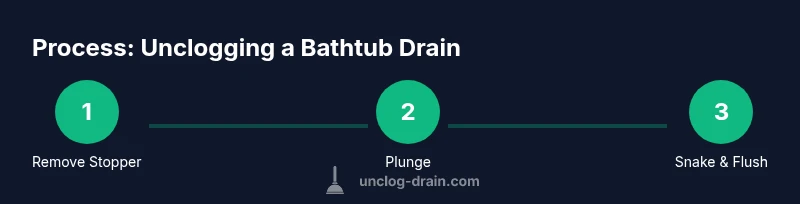
Begin by removing the drain stopper to access the blockage. If the stopper is stuck, use a screwdriver or pliers to free it, then pull out hair and soap scum you can see. Rinse the area and have a bucket handy to catch gunk. This initial clean-up makes the subsequent steps more effective and reduces the chance of immediate re-clogging. This first action is a critical part of how to unclog bathtub drain and sets the stage for real progress.
Step 2: Master the Plunger Technique for Slow Drains
Position the plunger to seal around the drain, then plunge vigorously for 20-30 seconds. A tight seal and steady pressure create suction that lifts and dislodges the clog. If water drains slowly, repeat several cycles, lifting slightly to break suction before plunging again. After several attempts, flush with hot water to help move loosened debris through the trap. This simple step often clears minor blockages without tools and demonstrates why a good plunger is essential in any DIY drain kit.
Step 3: Try a Drain Snake or Auger for Firm Clogs
If plunging fails, insert a hand-crank drain snake into the drain and rotate while pushing forward. Feed the snake gently until you meet resistance, then twist to grip and break the clog. Slowly pull back while continuing to rotate, removing debris as you go. Repeat until you can push water through freely. A typical 3- to 6-foot snake handles most bathtubs and hair-heavy clogs. This step is a reliable next move when plunging doesn’t fully clear the drain.
Step 4: Use Natural Cleaners When Appropriate
For a chemical-free approach, you can use a natural cleaner like baking soda followed by hot vinegar. Pour 1/2 cup baking soda into the drain, then 1 cup vinegar, cover, and wait 15-20 minutes before flushing with hot water. The fizzing action helps loosen organic clogs, but this method won’t fix hard mineral blockages. If the clog remains stubborn after this treatment, proceed with mechanical methods or call a professional. This section emphasizes safe, non-corrosive options and sets expectations for results.
Step 5: When to Avoid DIY and Call a Pro
If the clog persists after attempting plunging and snaking, or you notice rusted pipes, recurring backups, or sewer gas smells, stop and contact a licensed plumber. A pro can assess the vent stack and main sewer line to rule out more serious issues. Delaying professional help when warning signs appear can escalate damage and cost, so trust your judgment and seek expert assistance when in doubt.
Maintenance Tips to Prevent Future Clogs
Prevention is cheaper than a fix. Install a hair catcher, clean the stopper weekly, and run hot water after showers to rinse residue. Periodically deep-clean the drain with a safe enzymatic cleaner and avoid pouring grease, coffee grounds, or fibrous foods down any drain. Regular maintenance reduces the chance of blockages and extends the life of your plumbing. Consider setting a monthly routine to keep drains flowing freely and add a simple reminder for routine checks.
AUTHORITY SOURCES
For readers seeking external references, see trusted sources on drain safety and plumbing. These resources provide general guidance that complements hands-on DIY tasks:
- https://www.epa.gov
- https://www.consumer.ftc.gov/articles/how-keep-drains-running-smoothly
- https://www.britannica.com/science/plumbing
Tools & Materials
- cup plunger(Wide-mouthed with a flange for a tight seal)
- drain snake / auger(Hand-crank, 3-6 ft typical length)
- bucket(Catch water and gunk during work)
- rubber gloves(Protect hands from germs and cleaners)
- adjustable wrench or screwdriver(Remove stopper or clean hardware if sticky)
- flashlight(Better visibility inside the drain area)
- enzymatic drain cleaner(Use as a safe aftercare option (not a first fix))
Steps
Estimated time: 30-60 minutes
- 1
Remove stopper and clear debris
Detach the drain stopper to inspect the opening. Remove visible hair and soap scum with your fingers or a small tool. Clear the surrounding area and prepare for plunging or snaking.
Tip: Taking the stopper out first gives you direct access and prevents hair from being pushed deeper during plunging. - 2
Seal and plunge
Place the plunger over the drain to create a tight seal. Push and pull firmly for 20-30 seconds, then lift to break the suction. Repeat until water begins to drain more quickly.
Tip: Maintain a steady seal; a sloppy seal defeats the suction and reduces effectiveness. - 3
Insert and rotate the snake
Insert the drain snake into the drain and turn the handle clockwise while advancing. When you feel resistance, twist to break the clog and gradually pull back debris.
Tip: Feed slowly; forcing the snake can damage pipes or push the clog deeper. - 4
Flush and test
Run hot water for several minutes to flush loosened material through the pipes. Re-test with the faucet to confirm drainage is restored.
Tip: Hot water helps dissolve soap scum and hair, aiding clearance. - 5
Apply enzymatic cleaner (optional)
If recommended, apply an enzymatic cleaner to neutralize residual organic matter and prevent future buildup. Follow the product instructions closely.
Tip: Enzymatic cleaners are gentler on pipes and helpful for maintenance. - 6
Return stopper and clean up
Reinstall the stopper, wipe down the area, and remove any tools. Dispose of waste properly and wash your hands.
Tip: Keep your tools clean and dry to prevent corrosion and keep the area tidy.
Common Questions
What is the quickest way to unclog a bathtub drain?
Start with a plunger for minor clogs. If that fails, use a drain snake. Dry up and re-test before trying harsher methods.
Begin with plunging, then snake if needed. Re-test drainage to confirm it’s clear.
Can you use chemical drain cleaners on a bathtub drain safely?
Chemical cleaners can damage old pipes and produce harmful fumes. Use them only as a last resort and follow label directions exactly.
Chemical cleaners can be risky for old pipes; use them cautiously and as a last resort.
Why does my bathtub drain keep clogging even after cleaning?
Recurring clogs often result from hair buildup and soap scum near the drain. Regular maintenance and a hair catcher can reduce repeats.
If clogs keep returning, hair and soap buildup near the drain is likely the cause.
Is baking soda and vinegar effective for tub drains?
Baking soda and vinegar can help with light organic clogs, but they aren’t a replacement for mechanical methods on stubborn blockages.
Baking soda and vinegar work for light clogs, not heavy ones.
When should I call a plumber for a bathtub clog?
If plunging and snaking fail, or you notice gas smells, leaks, or rusted pipes, contact a licensed plumber to avoid further damage.
Call a plumber if DIY methods don’t clear the clog or you notice warning signs.
What maintenance reduces bathtub clogs long-term?
Use a hair catcher, regularly clean the stopper, and flush with hot water. Periodically apply a safe enzymatic cleaner to maintain flow.
Hair catcher and routine cleaning help prevent future clogs.
Watch Video
Key Points
- Identify clog type and start with mechanical fixes.
- Use a plunger and snake in a safe, controlled sequence.
- Opt for enzymatic cleaners for maintenance, not emergency clearance.
- Prevent future clogs with a routine maintenance plan.