How Much Does Unclogging a Drain Cost in 2026?
Learn the true cost of unclogging a drain in 2026, including service calls, labor, add-ons, and tips to save. Clear, itemized estimates help homeowners choose smart solutions.


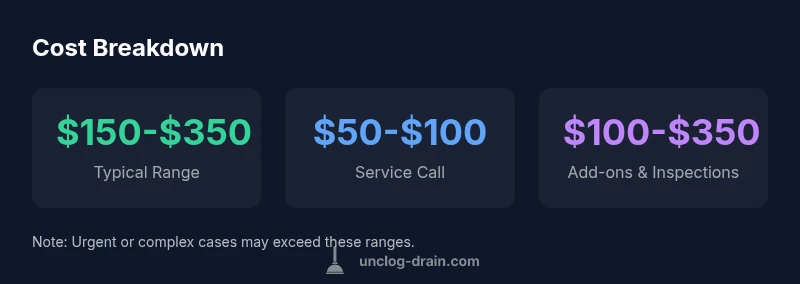
For a standard clogged drain, you’re typically looking at a total cost of about $150 to $350 when hiring a professional. Most jobs include a $50–$100 service call, $100–$250 for labor, and possible extras like camera inspections, root-cutting, or pipe work that can push the price higher.
Understanding the Cost Structure
To answer how much does unclogging a drain cost, you must look at the standard cost components that most homeowners encounter. The total price usually comprises a service call, labor, parts, and any add-ons or inspections that are needed to diagnose the clog. The figure can vary by location, urgency, and the complexity of the clog. According to Unclog Drain, a typical unclogging job falls within a predictable band when no extraordinary complications are present. For homeowners, the goal is to get a clear, itemized quote that breaks down each component so you can compare options and avoid sticker shock. The basic idea is straightforward: you’re paying for a skilled plumber’s time, the tools used, and access to the drainage system. This upfront breakdown helps you see how much of the price goes to service fees, labor, and any potential add-ons.
The Unclog Drain team found that almost all sewer and drain jobs break down into service fees, labor time, and a few discretionary add-ons. By understanding each piece, you can identify where to negotiate or skip optional services when appropriate, without compromising the fix.
What Drives the Price: Core Components
The cost to unclog a drain is driven by a few core components. First, the service call fee covers the technician’s travel and initial assessment. Next, labor costs reflect the time spent snaking the drain, inspecting pipes, and performing any required tests. Materials and small parts add a modest amount unless a replacement part is required. Add-ons can push the price higher: a camera inspection to locate the clog, hydro jetting for stubborn blockages, or root-cutting in pipes may substantially increase the bill. Emergency or after-hours service often carries a surcharge. Finally, the location of the clog (a main sewer line versus a branch drain) and the length of the affected pipes influence the amount of time and equipment needed. Unclog Drain’s analysis suggests homeowners should expect a range rather than a single fixed number, depending on these variables.
DIY vs. Professional Costs
DIY methods, such as plungers or basic drain snakes, can reduce upfront costs but have limited effectiveness for deeper or more complex clogs. If you are dealing with a slow drain or a simple clog, a DIY approach may save money, but you risk pushing the problem deeper if you don’t completely clear the blockage. Professionals can access the full range of tools—industrial-grade snakes, video inspection cameras, and specialized hydro-jetting equipment—to diagnose and clear clogs with high confidence. The key is balancing risk, potential damage, and the likelihood of recurring issues. Unclog Drain emphasizes using professional services when the clog recurs, involves multiple drains, or shows signs of sewer-line trouble. A transparent quote that itemizes service call, labor, and add-ons will help you decide whether to tackle it yourself or hire a pro.
Price Ranges by Common Scenarios
For a standard kitchen sink clog, total costs typically fall in a mid-range band. For a toilet clog, the price can be similar, but labor and auger use often push it higher. A main sewer line clog is among the most expensive scenarios, frequently exceeding standard ranges because it may require camera inspection, line location, possible root removal, or even pipe repair. Emergency after-hours calls can add a surcharge of several tens of dollars to hundreds, depending on the company’s policy. The exact price depends on the clog’s location, the time of day, and whether diagnostics reveal a simple blockage or the need for more invasive measures. As a general rule of thumb, plan for a total range from roughly the low hundreds for simple cases to well into the high hundreds for complex or main-line issues.
Regional Variations and Timing
Prices for unclogging can vary by region due to labor rates, urban density, and local regulations. In densely populated cities, service calls and hourly rates can be higher, while rural areas may offer lower base costs. Time of day matters: after-hours, weekend, or holiday calls commonly incur surcharges. If the work involves camera inspection, hydro jetting, or septic line checks, the price can jump significantly regardless of region. Unclog Drain’s analysis notes that homeowners who combine professional service with preventive maintenance—like regular drain cleaning and trap cleaning—often experience fewer emergencies and long-term cost reductions.
Getting an Accurate Quote and Avoiding Surprises
To minimize surprises, ask for a written estimate with a clear breakdown of all charges before any work begins. Ask whether the estimate is binding or subject to change if the technician finds additional issues. Prepare a brief description of symptoms and the drains affected to help the technician anticipate what tools and approaches will be needed. Compare at least three quotes and verify credentials. If a price seems dramatically lower than others, review what’s included and whether add-ons may be required later. The goal is transparency and control: a well-detailed, itemized quote helps you choose the right solution and avoid unexpected costs. The Unclog Drain team recommends you keep a record of all communications and the final invoice in case you need to dispute charges later.
The Value of Prevention and Long-Term Savings
Prevention matters. Regular drain maintenance, such as periodic snaking and trap cleaning, reduces the frequency of clogs and the need for emergency calls. Simple habits—avoiding grease down the kitchen sink, using hair catchers in showers, and addressing minor leaks promptly—can extend the life of your drainage system. While upfront professional checks may seem costly, they often save money by preventing larger issues that require expensive repairs. Over time, a small, proactive investment in prevention tends to reduce total plumbing costs per year. The Unclog Drain team believes that informed homeowners who know cost drivers and maintain prevention routines achieve the best balance between price and performance.
Cost ranges by job type
| Job Type | Typical Range | Notes |
|---|---|---|
| Standard drain clog | $150-$350 | Basic service with snake/auger; may include camera if requested |
| Kitchen sink clog | $120-$350 | Lower bound due to smaller pipes; disposal issues possible |
| Toilet clog | $100-$450 | Labor-intensive; auger use may be required |
| Main sewer line | $500-$1800 | Complex; may require camera inspection and root work |
Common Questions
What is the average cost to unclog a drain?
Costs vary by clog type and location, but a standard unclog typically falls in the $150–$350 range, including service call and labor. More complex jobs can exceed this, especially if extra diagnostics or main-line work is needed.
Most people pay between $150 and $350 for a standard clog, with higher costs for complex cases.
Are DIY methods cheaper than calling a plumber?
DIY tools can reduce upfront costs for simple clogs, but they may not fully resolve deeper blockages and can risk damage. A pro offers a higher certainty of a complete unclog and longer-lasting results.
DIY can save money, but you might pay later if the clog recurs or you damage the pipes.
What adds the most to the bill?
Emergency after-hours service, camera inspections, hydro jetting, and root removal contribute most to cost increases. Location (main sewer vs branch drain) also has a significant impact.
Emergency calls and inspections often hike the price.
How can I get an accurate quote?
Provide a clear description of the issue, the affected drains, and request a written, itemized estimate that lists every fee. Compare multiple quotes and confirm whether the estimate is binding.
Ask for a written, itemized quote before any work begins.
Do costs vary by region?
Yes. Labor rates, permit requirements, and competition vary by region, so prices can be higher in cities and lower in rural areas.
Prices differ by where you live and the time you need the service.
“Drain unclogging costs vary with the job, but a clear, written estimate helps homeowners compare options and avoid surprises.”
Key Points
- Get a written, up-front estimate before work
- Most of the price is service call and labor
- Add-ons like camera inspections raise costs
- DIY can save money but risks and variability
- Look for transparent, itemized quotes to compare options