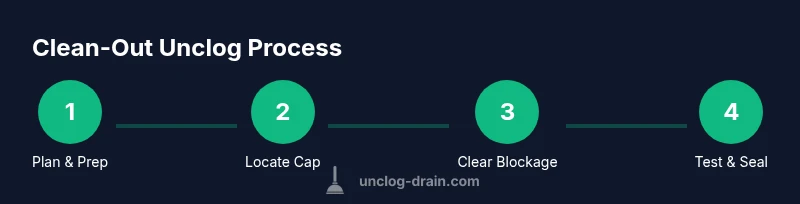
Unclogging Clean-Out: A Step-by-Step Home Guide
Learn to safely unclog a drain clean-out with practical steps, the right tools, and maintenance tips from Unclog Drain. Restore flow and prevent future jams with our expert guidance.


You will locate and safely clean the exterior drain clean-out, remove the blockage, and restore normal flow. This step-by-step guide covers locating the clean-out, choosing the right tool, and validating results. You’ll need basic tools, protective gear, and a clear workspace to prevent spills. Follow safety precautions, such as turning off water supply if needed and wearing gloves.
Understanding the exterior drain clean-out
The term clean-out refers to a capped access point in your drainage system that allows you to remove blockages from the line. Exterior clean-outs are typically found along the main drain line near the foundation, or inside a yard or crawl space. According to Unclog Drain, maintaining access points is essential for quick response when clogs occur. A clogged clean-out can force wastewater back into fixtures and cause foul odors. Regularly inspecting and cleaning the clean-out helps prevent more serious sewer issues and reduces the need for costly service calls.
In many homes, the clean-out is a small capped pipe sticking out of the ground or a wall, sometimes just behind a concrete slab. Access is critical for clearing stubborn blockages without dismantling the entire sewer line. Understanding where this access point sits and how it functions gives you confidence to act quickly when a clog strikes.
Safety and planning before you touch the pipe
Before you touch any drain, map out your plan. Confirm you have the right tools, a clear workspace, and a plan for containment of wastewater. On a practical level, you should have a bucket, rags or towels, gloves, eye protection, and a flashlight. The Unclog Drain team recommends checking for standing water in fixtures, so you know when to stop and reassess before proceeding. Planning also means knowing when to call a pro if the blockage is far from the clean-out or involves the main sewer line.
description_2_token_1_1
Tools & Materials
- gloves(Heavy-duty rubber gloves to protect hands from sewage and sharp edges)
- safety goggles(Eye protection to guard against splashes and debris)
- bucket(Catch water and waste as you work; choose a bucket with a sturdy handle)
- flashlight(Bright, focused light to inspect the area around the clean-out)
- wrench or screwdriver(To loosen a sealed cap if necessary; use only if the cap is stubborn)
- plumber's snake / hand auger(Flexible auger for breaking and pulling out clogs in the pipe lead to clean-out)
- cores or clamps(Optional for securing hoses or securing access caps)
- rag or shop towels(Clean spills and dry hands after handling the pipe)
- hose compatible with clean-out cap(Useful for rinsing the line after clearance)
- sealant or fresh cap(Replacement cap if the original is damaged)
Steps
Estimated time: 30-60 minutes
- 1
Turn off water supply and prep workspace
Begin by turning off the main water supply if it’s a severe or persistent clog. Place a bucket and towels under the clean-out to catch any spills, and put on gloves and eye protection before touching the cap.
Tip: Having a dedicated workspace minimizes mess and prevents cross-contamination. - 2
Locate the exterior clean-out
Identify the exact location of the clean-out in your yard or crawl space. If the cap is recessed or buried, clear surrounding debris so you can access it safely.
Tip: If you can’t locate it, consult your home’s blueprints or a plumber—misidentifying the access can waste time. - 3
Remove the clean-out cap carefully
Using a wrench or your hands if loose, loosen and remove the cap slowly to avoid a surge of wastewater. Have the bucket ready and keep your face away from the opening.
Tip: If the cap resists, don’t force it—apply steady pressure and inspect for corrosion. - 4
Inspect for visible blockages
Look inside the pipe with a flashlight to see if there’s a visible clog near the opening. If you can see debris, prepare to clear it with a snake or plunger.
Tip: Don’t push debris further into the line; pull it toward you instead whenever possible. - 5
Clear the blockage with a plumber’s snake
Insert the snake into the pipe and rotate slowly to break up the clog. Advance and retract several times until you feel the flow improve.
Tip: Don’t push too hard; abrupt force can damage pipes or push debris deeper. - 6
Flush and test the line
Run water from a nearby fixture to test flow. If water drains slowly, repeat snaking or use a gentle flush with a hose.
Tip: A steady, gradual flow confirms clearance without overloading the system. - 7
Reseat the clean-out cap and secure
Dry the area, reinsert the cap securely, and tighten it to prevent leaks. If the cap is damaged, replace it to maintain a proper seal.
Tip: Check for leaks after restoration by running water again and observing the seal. - 8
Document and monitor for future clogs
Note the date and method used and monitor drains for recurring backups. Regular maintenance reduces the frequency of clean-out blockages.
Tip: Set a reminder to inspect clean-outs seasonally or after heavy rainfall.
Common Questions
What is a drain clean-out and why should I unclog it?
A drain clean-out is an access point that allows you to clear clogs in the drainage line. Unclogging it helps restore proper flow and prevents backups and odors. Regular attention reduces the risk of more extensive sewer problems.
A drain clean-out is an access point for clearing blockages; unclogging it restores flow and reduces backups.
How do I locate my exterior drain clean-out?
Look near the foundation in crawl spaces, yards, or utility areas. The cover is typically a capped pipe or a small square plate. If you’re unsure, consult your home’s drainage schematic or a professional.
Check near the foundation or in the yard for a capped pipe or access plate.
Can I use chemical cleaners in a clean-out?
Chemical cleaners are generally not recommended for exterior clean-outs. They can corrode pipes, mislead you about the blockage’s location, and aren’t effective on all clogs. Mechanical clearing is safer and more reliable.
Usually avoid chemical cleaners in clean-outs; they can cause damage and won’t always clear the clog.
What safety precautions should I follow?
Wear PPE, work with proper lighting, and avoid standing directly in the path of wastewater. Shut off the water if needed and never mix cleaners with other chemicals.
Wear gloves and eye protection, work in bright light, and be cautious about wastewater.
What if the clog is in the main sewer line?
If a main sewer clog is suspected (multiple fixtures affected, gurgling sounds, sewage backing up), stop work and call a licensed plumber. Main line problems require specialized tools and expertise.
If you suspect a main sewer clog, stop and call a pro.
How often should I inspect the clean-out?
Inspect clean-outs at least once per year, or after heavy rainfall or season changes. Regular checks help catch developing blockages before they become serious.
Check clean-outs yearly or after heavy rain to catch blockages early.
Watch Video
Key Points
- Identify the clean-out location and access point
- Use the right tool (snake/augur) for blockage clearance
- Test flow after clearing and reseal the cap
- Avoid chemicals and call a pro for complex clogs
- Maintain clean-out accessibility to prevent future jams