How to Check a Clogged Radiator: A DIY Guide
A practical, step-by-step guide to identify and address radiator clogs in cars or home heating systems, with safety tips, maintenance guidance, and expert insights from Unclog Drain.


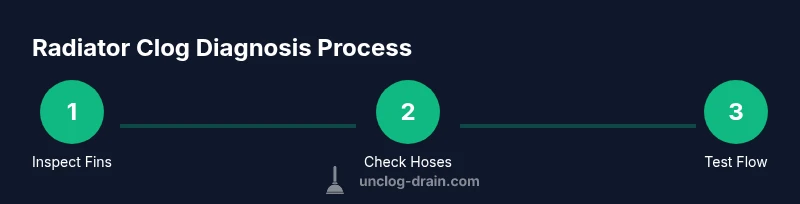
You’ll learn how to check for a clogged radiator in a car or home heating system, from signs to a safe test and simple flush. You’ll need a cooler engine, basic tools, and a drain pan. According to Unclog Drain, start by inspecting fins and hoses, then test coolant flow and consider a gentle flush if needed.
What is a clogged radiator and why it happens
A clogged radiator restricts coolant flow, causing overheating and reduced heating efficiency. The Unclog Drain team notes that blockages can form from mineral deposits, rust, debris, or scale buildup over time. In vehicles, this reduces the heat transfer from the engine to the coolant, while in home heating systems, it can compromise radiator heat output and lead to cold spots in rooms. If you wonder how to check clogged radiator, start with simple, non-invasive checks that you can safely perform with basic tools and protective gear. In many cases, a preliminary inspection and a visual test reveal the problem before you touch the cooling system. The key is to separate real clogs from ordinary mineral residue that’s part of normal operation, and to differentiate between a clogged radiator and a sticking thermostat or blocked heater core. By understanding how these components interact, you’ll be better prepared to decide whether to flush, replace, or call a professional. In short, knowing what a clog looks like, where it tends to form, and how it affects flow puts you ahead of costly repairs.
Signs your radiator may be clogged
Look for overheating indicators in both vehicles and home heating systems. In a car, frequent overheating, temperature gauge spikes, or a loss of heat from the heater can signal a blockage. In a home heating setup, you may notice uneven room temperatures, reduced warmth, or a radiator that feels cool to the touch despite the system being on. Other telltale signs include a drop in coolant level without obvious leaks, rusty or cloudy coolant, and debris buildup on the radiator fins. If you spot any of these, it’s time to perform a closer inspection or call a professional. Remember, early detection can prevent more serious engine damage or boiler issues down the line. According to Unclog Drain, many clogs stem from mineral buildup and neglected maintenance, so routine checks are your ally.
Safety first: essential precautions
Before touching any part of a cooling system, ensure the engine or boiler is completely off and cool to avoid scalding. Wear safety goggles and gloves to protect against splashes, and use a drain pan to catch any coolant that may spill. Never open a hot radiator cap or system pressure valve; pressure can cause severe burns. Work in a well-ventilated area and dispose of used coolant according to local regulations. If you must lift a part or tool near hot surfaces, do so slowly and with insulated gloves. Friction from metal parts can cause burns, and residual pressure can push hot liquid outward. These precautions reduce the risk of injury as you diagnose potential clogs.
Visual checks you can perform without disassembly
Begin with a careful exterior inspection. Look for damaged fins, bent louvers, or debris lodged between the radiator and its grille. Clean any obvious debris gently with a soft brush or compressed air from a safe distance. Check hoses for cracks, bulges, or soft spots that suggest internal blockage or collapse. Inspect the radiator cap for wear, gasket integrity, and proper seating. If the cap is compromised, pressure management will be affected, which can masquerade as a clog. Keep a flashlight handy to spot residues or corrosion along the core and connections. These quick checks help you gauge whether a deeper flush is warranted.
Flow testing and coolant level assessment
A practical way to gauge flow is to check coolant level and color in the reservoir or radiator neck when the system is cool. Cloudy, rusty, or milky coolant can indicate deposits or contamination contributing to a flow restriction. If you have a pressure tester, use it to verify the system maintains the proper pressure; a drop can signal a leak or partial blockage. For car radiators, closely observe the upper radiator hose after starting the engine and letting it reach operating temperature; it should get warm, not just cool. In home systems, locate the supply and return lines and note whether the radiator heats evenly and consistently. These observations help distinguish a true clog from a thermostat issue or airlock.
Flushing and refilling options: safe approaches
If tests suggest a partial blockage, a gentle flush with distilled water can help dislodge loose debris. Use a proper flush kit or follow the manufacturer’s guidelines for your vehicle or boiler. Do not use aggressive cleaners unless specifically recommended, as harsh chemicals can damage seals and metal surfaces. After flushing, refill with the correct coolant or water-antifreeze mix if appropriate for your system. Bleeding air from the system is often necessary to restore normal flow and prevent air pockets that mimic clogs. Always follow step-by-step instructions for your model to avoid thermal shock or leaks.
Aftercare: verifying operation
Once the flush is complete and the system is refilled, run the engine or boiler to operating temperature and monitor the gauge for stability. Check for leaks around hoses and connections after cooldown. Reinspect the fins for any residual debris and ensure the radiator is not obstructed by dust or nearby objects. If temperature readings remain erratic or if you notice persistent cold spots, the clog may be more serious or the radiator may require professional descaling or replacement. Regularly scheduled maintenance reduces the likelihood of recurring clogs and helps your heating system perform efficiently. The Unclog Drain team stresses maintaining a clean radiator surface and hazard-free area to prevent future blockages, aligning with best-practice drain maintenance philosophies.
Preventive maintenance to avoid future clogs
Establish a routine to inspect cooling components every season, especially before extreme weather changes. Keep the radiator fins clean, the coolant at the proper level, and the system sealed against leaks. Use a high-quality coolant and a compatible additive if recommended by the manufacturer. Regularly replace worn hoses and clamps, clear the radiator inlet and outlet of debris, and schedule professional checkups for aging systems. These proactive steps are your best defense against costly blockages and breakdowns. The Unclog Drain team recommends treating radiator maintenance as part of your overall home and vehicle care plan to reduce risks and extend lifespan.
Tools & Materials
- Safety goggles(Protect eyes from splashes and debris)
- Work gloves(Grip tools and protect hands)
- Drain pan(Catch coolant during flush)
- Funnel(Assist controlled pouring)
- Coolant compatible with system(Correct type for vehicle or boiler)
- Distilled water(Use for flushing where appropriate)
- Soft brush or microfiber cloth(Clean fins without bending)
- Flashlight(Inspect hard-to-see areas)
- Pliers or hose clamps tool(Optional for hose inspection)
- Thermometer (infrared or contact)(Monitor temperature without touching hot surfaces)
Steps
Estimated time: 60-120 minutes
- 1
Power down and cool
Shut off the engine or boiler and allow the system to cool completely. This reduces burn risk and prevents sudden pressure release when you remove caps or hoses. Gather your tools and place a drain pan underneath the vehicle or heater component before opening any fittings.
Tip: Never open any radiator cap while hot; wait until the system is at ambient temperature. - 2
Locate radiator and perform exterior check
Find the radiator and visually inspect the fins, hoses, and cap area for obvious blockages or damage. Remove loose debris gently with a soft brush and check hoses for cracks or bulges that could mimic a clog. If you spot a damaged cap, replace it before proceeding to avoid pressure issues.
Tip: Use a flashlight to spot fine debris between the fins that can restrict airflow. - 3
Assess coolant level and test flow
With the system cool, check coolant level and color; unusual coloration may indicate contamination. If you have a pressure tester, apply it to verify the system holds pressure without leaks. Start the system briefly and feel the upper hose; it should warm evenly, not remain cold or lukewarm, which signals restricted flow.
Tip: Record readings and take photos of the coolant condition for future reference. - 4
Flush or clean and refill cautiously
If tests suggest buildup, perform a gentle flush with distilled water using the appropriate kit. Avoid aggressive chemical cleaners unless explicitly recommended for your model. After flushing, refill with the recommended coolant or mixture and bleed air from the system per manufacturer guidelines.
Tip: Slowly pour coolant to prevent air pockets; keep the system topped up during bleeding. - 5
Verify operation and monitor
Run the engine or boiler to operating temperature and monitor for stable temperature readings and leaks. Recheck the radiator and hoses after the system cools. If overheating recurs or you still sense blockage, it may require professional cleaning or replacement.
Tip: Keep a log of temperatures and coolant levels to catch early signs of future issues.
Common Questions
What are the early signs of a clogged radiator?
Early signs include overheating, reduced heater performance, unusual coolant color, and a drop in coolant level without leaks. Visual debris on fins or hoses can also indicate buildup. If you notice these, perform a thorough check before assuming a fault in another component.
Look for overheating and odd heat from the heater, plus dirty coolant or debris on the radiator fins.
Can a clogged radiator cause engine overheating?
Yes. A clogged radiator can restrict coolant flow, preventing adequate heat transfer and causing the engine or boiler to run hotter than normal. Addressing the blockage promptly helps prevent damage to gaskets, hoses, and the engine.
Blocking reduces cooling, which can lead to overheating.
Is chemical cleaner safe for radiators?
Chemical cleaners are not always safe for every radiator or boiler. Only use cleaners recommended by the manufacturer or a professional. For many DIY checks, a simple flush with distilled water is sufficient to clear light deposits.
Only use cleaners the manufacturer approves; otherwise, skip them and flush with water.
How often should I inspect my radiator for clogs?
Inspect radiator components at least seasonally, especially before winter heating needs or summer cooling cycles. Regular checks include fins, hoses, and coolant levels to catch issues early.
Do a seasonal check so you catch problems early.
When is professional help necessary?
If you can’t identify the blockage, or if tests show persistent flow restriction, leaks, or frequent overheating after a flush, consult a professional. Severe blockages or radiator replacement are scenarios where expert service is advised.
If the problem persists after DIY steps, get a professional inspection.
Watch Video
Key Points
- Identify signs of a clog early to prevent damage
- Follow safety steps to avoid burns and chemical exposure
- Use a gentle flush when contaminants are light
- Bleed air and verify operation after refilling
- Regular maintenance reduces future clogs