Unclog Sink Tricks: Quick, Safe Home Fixes for Busy Homes
Discover practical, safe sink unclog tricks with a step-by-step guide, tool lists, and preventive tips to clear blockages fast and keep drains flowing smoothly.


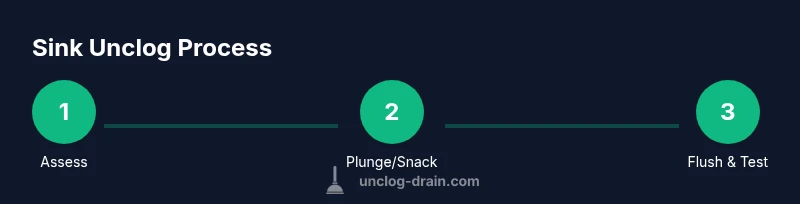
By following these unclog sink tricks, you can clear most kitchen and bathroom sink blockages safely using common tools. Start by assessing the blockage, removing standing water, and selecting a method based on your pipe type. Use mechanical methods first—plungers or hand augers—before considering cleaners, and adopt simple maintenance to prevent repeat clogs.
Understanding the anatomy of a sink drain and why clogs form
A typical kitchen or bathroom sink relies on a U-shaped trap and a network of pipes that drain slowly as debris catches on rough surfaces. Hair, grease, soap scum, and food particles can accumulate along bends and inside the trap, creating a partial or complete blockage. The trap also holds water to prevent sewer gases from escaping, which is why you often see standing water when a clog begins. According to Unclog Drain, most clogs start with a small buildup that compounds over days or weeks, especially in busy households where the sink is used frequently. Recognize common culprits: in the kitchen, grease and food scraps; in the bathroom, hair, soap scum, and mineral deposits. By understanding where the blockage tends to form, you can choose the most effective unclog sink tricks and avoid unnecessary experimentation. If the sink drains slowly but not completely, focus on loosening debris rather than forcing water through a blocked path, which can push the clog deeper.
Quick-check before you start: safety and prep
Before you reach for tools, ensure you have a safe workspace. Put a towel under the sink to catch drips, wear rubber gloves, and keep a bucket handy for catching water. If you’re working under a sink, turn off any disposal or shut-off valves if accessible to prevent backflow. Clear the area around the pipes so you can inspect the P-trap for obvious obstructions. Quick checks save time and reduce mess later; they also prevent accidental spills when you begin the unclog sink tricks.
DIY unclog techniques: non-chemical methods
Non-chemical methods are usually safer for your pipes and the environment. Start with physical methods like plunging, which can push the blockage upward or loosen it. For kitchen sinks, a different plunger shape (cup plunger) is often more effective than a toilet plunger. If plunging doesn’t move the clog, switch to a hand auger to mechanically break up debris in the trap or drain line. Enact long, steady twists rather than forceful jerks to avoid damaging the pipe. Repeat as needed in 1–2 minute intervals, pausing to reassess. In many cases, you can restore flow with patience and a clean, dry work area. As you work, monitor for leaks and ensure you reseal joints if you remove any caps or hoses.
Safe use of enzyme cleaners and safe chemical options
If you prefer a gentler approach, enzymatic cleaners can help by digesting organic matter over time without harsh chemicals. They’re slower than mechanical methods but safer for pipes, seals, and septic systems. Always follow the product directions and avoid mixing cleaners, which can release dangerous fumes. For a more immediate effect, some homeowners opt for chemical sink cleaners, but these should be used sparingly and only if you know the pipe material (PVC, metal, etc.). Never mix cleaners with bleach or ammonia. If you have vinyl or PVC piping, boil water cautiously and avoid boiling water on cold pipes, which can cause cracks or warping.
Maintenance and prevention to avoid future clogs
Prevention is simpler than rescue. Rinse grease and coffee grounds from cookware before washing, install a mesh strainer, and run hot water after using the sink to dissolve fatty residues. Periodic flushing with a mixture of baking soda and hot water can help keep the drain scum-free, followed by a splash of vinegar for fizzing action. Schedule a quarterly bust-out where you remove the trap and clear debris with a brush. Regular maintenance reduces the frequency of unclog sink tricks and helps you catch problems before they escalate. If you have a garbage disposal, only feed compliant waste and run cold water while grinding to maintain grinding efficiency and prolong the life of the unit.
Troubleshooting stubborn clogs and when to call a professional
If the sink remains slow after several rounds of plunging and snaking, the blockage may be deeper in the main line or a more persistent issue such as tree roots or a misaligned pipe. In this case, avoid excessive force, which can crack pipes or loosen joints. At this point, it’s prudent to contact a licensed plumber who can perform a camera inspection and provide targeted solutions. Keep a log of your attempts, noting the steps you took and the results, to aid the professional. The goal of the unclog sink tricks is to restore flow safely and quickly without damaging your plumbing system.
Authorities and further reading
- U.S. Environmental Protection Agency (EPA): https://www.epa.gov
- Occupational Safety and Health Administration (OSHA): https://www.osha.gov
- Federal Trade Commission (FTC): https://www.consumer.ftc.gov/articles/drain-cleaners-get-prevent-damage
Tools & Materials
- Cup plunger (flat-bottom)(Use a sink plunger with a wide rubber cup)
- Drain snake/hand auger(14–48 inch snake suitable for kitchen or bathroom sinks)
- Bucket or small container(Catch water and debris as you work)
- Rubber gloves(Protect hands; rubber or latex)
- Old towels or rags(Place to clean up spills)
- Adjustable wrench(Needed if you remove the P-trap)
- Boiling water(Heat-safe path; not for all pipes (PVC may warp))
- Baking soda and white vinegar(Gentle natural cleaners)
- Enzymatic drain cleaner (optional)(Safer option for organic buildup)
Steps
Estimated time: 25-45 minutes
- 1
Assess blockage and prep
Examine the sink area to determine if it’s a kitchen or bathroom drain. Clear the area, put a bucket underneath, and don gloves. This initial check helps you choose the most effective unclog sink tricks and reduces mess later.
Tip: Have a camera or phone ready to note the blockage if you plan a professional visit. - 2
Remove standing water
Scoop out standing water with a cup or sponge until the drain bowl is mostly empty. Leaving a shallow layer helps you observe the drain’s behavior during plunging or snaking.
Tip: Keep the bucket close to avoid spills when removing water. - 3
Plunge the drain
Place the cup plunger over the drain and create a tight seal. Use firm, consistent pumps for 10–20 seconds, then pause to check for movement. Repeat 2–4 times and observe any debris loosened.
Tip: Keep water level above the lip of the plunger for optimal suction. - 4
Use a hand auger
Insert the auger into the drain and slowly twist while advancing the cable. When you feel resistance, pull back slightly and rotate again to break the clog.
Tip: Avoid forcing past the bend; take small turns to prevent pipe damage. - 5
Flush with baking soda and hot water
Pour 1/2 cup baking soda into the drain, followed by hot water. Let it fizz for several minutes, then flush with more hot water. This can help loosen organic buildup.
Tip: Do not use boiling water if you have PVC pipes to prevent warping. - 6
Inspect and clean the P-trap
Place a bucket, then loosen the slip nuts to remove the P-trap. Clear any debris with a brush, rinse, and reassemble tightly to prevent leaks.
Tip: Hand-tighten connections and test with water at low pressure first. - 7
Final flush and test
Run hot water through the drain to ensure flow is restored. Check for leaks around joints and clamps. If flow is restored, you’ve completed the unclog sink tricks successfully.
Tip: Keep an eye on the first post-clean discharge to ensure sustained flow. - 8
Chemical cleaners vs professional help
If the clog persists, evaluate whether a chemical cleaner is appropriate or if a professional camera inspection is needed. Avoid mixing cleaners and follow all safety directions.
Tip: Avoid repeated chemical use; persistent clogs often indicate deeper issues.
Common Questions
What is the best first method to unclog a sink?
Start with a plunger or hand auger. These mechanical methods usually clear organic blockages without harming pipes, and they’re reversible if you need to reassess.
Begin with a plunger or hand auger. It’s usually enough to clear the clog safely.
Are chemical drain cleaners safe for all pipes?
Chemicals can damage certain pipe materials and septic systems. Use only as directed, avoid mixing products, and prefer mechanical methods first when possible.
Chemical cleaners may harm some pipes; use them cautiously and follow directions.
Can I unclog a sink without removing the P-trap?
Often you can clear minor clogs with plunging or a snake before removing the trap. If flow doesn’t improve, removing the P-trap for cleaning is a recommended next step.
Yes, try plunging or snaking first; if needed, remove the P-trap.
Is boiling water safe for PVC pipes?
Boiling water can warp PVC pipes; use hot (not boiling) water when possible and test a small section first.
Boiling water can harm PVC pipes; test first and use hot water instead.
How long should baking soda and vinegar take to work?
Baking soda and vinegar produce fizzing that helps loosen some clogs, but effectiveness may vary. Expect several minutes of fizz and a follow-up flush.
Expect a few minutes of fizz and then flush with water.
When should I call a plumber?
If multiple methods fail, or if you notice sewer gases, leaks, or persistent slow drainage, a licensed plumber is the safest option.
Call a plumber if several methods fail or you detect leaks or gas odors.
Key Points
- Inspect before you plunge to avoid pushing the clog deeper.
- Start with mechanical methods before chemicals.
- Regular maintenance prevents future clogs and extends pipe life.
- Know when to call a professional for stubborn blockages.