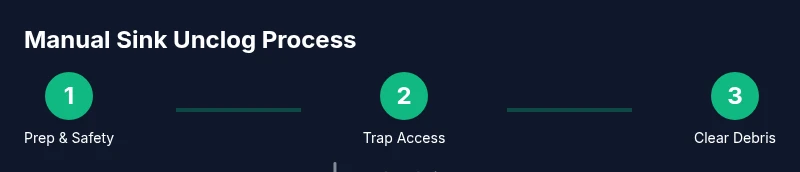
Manually Unclog Sink: A Step-by-Step DIY Guide
Learn safe, practical ways to manually unclog a sink using a plunger, hand snake, and natural methods. This guide covers essential tools, step-by-step actions, safety tips, and prevention strategies for kitchen and bathroom sinks.


Goal: manually unclog a sink using safe, basic methods. Start with a cup-style plunger, then try a hand drain snake or simple tools, avoiding chemical drain cleaners. Prepare protective gear, clear the area, and test the drain after each method to confirm success. The guide also explains what to do if the clog persists and how to prevent future blockages.
Understanding the Problem: Why a Sink Clogs
Clogs in sinks usually form from a mix of hair, soap scum, food particles, grease, and mineral build-up. Over time, these materials accumulate at bends and along the pipe, reducing velocity and trapping more debris. When you consider manually unclog sink, the best approach is to start with the simplest, least invasive method and escalate only if necessary. According to Unclog Drain, most everyday sink blockages originate near the trap or immediate drain area, making a direct, mechanical approach effective before resorting to chemicals or professional help. This understanding helps you choose the right tool for the job and reduces the risk of damaging pipes further.
Key takeaway: identify whether blockage is near the trap or deeper in the line; this guides your method and success rate.
Safety First: Protect Yourself and Your Plumbing
A safe DIY unclogging session starts with basic protective gear and a calm plan. Wear rubber gloves to protect your skin from dirty water and pinch risks, and use eye protection if you anticipate splashes. Never mix chemical cleaners with mechanical methods, and avoid pouring drain cleaners into a clogged sink while you plan a manual approach. Disturbing a blocked drain can release noxious gases or cause a pipe to crack if excessive force is used. In addition, disconnect the sink stopper if present to improve access and prevent it from falling into the trap.
Pro tip: keep towels, a bucket, and a flashlight handy so you can work cleanly and see hidden connections under the sink.
When to DIY vs. When to Call a Pro
Most routine clogs can be resolved with basic hand tools and careful technique, especially in kitchen and bathroom sinks where the plumbing layout is straightforward. If you notice multiple fixtures draining slowly, sewer gas odors, water backups in other parts of the home, or persistent clogs after several attempts, it is prudent to consult a licensed plumber. DIY fixes carry a risk of damaging seals, warranties, or piping if done with excessive force or improper tools. Your choice should balance risk, cost, and the likelihood of resolving the issue with basic equipment.
A measured approach minimizes risk while maximizing your chance of success.
Mechanical Methods: Plunger, Snake, and Tools at a Glance
Manual unclogging relies on physical disruption of the blockage rather than chemical dissolution. A cup-style plunger provides a strong seal on flat sinks and can often shift the clog with repeated pressure. A hand drain snake or auger allows you to reach deeper into the pipe and break up or retrieve lodged debris. Together, these tools form a scalable approach: start with the plunger, switch to the snake if needed, and reserve chemical agents as a last resort. Understanding how each tool interacts with the pipe helps you choose the right method and avoid unnecessary damage.
Baseline: mechanical methods are safer for most households and keep you in control of the process.
Workspace Prep: Setting Up for Success
Before any action, clear the area around the sink and lay down towels to catch water and debris. Place a bucket under the P-trap to collect any water or debris when you open connections. If you have a stopper, remove it so you can access the drain more easily. Check the pipe material and curvature; metal fittings may require extra care so you don’t over-torque nuts. Ensure good lighting so you can see inside the pipe and behind the trap.
Tip: a small amount of mild dish soap can help lubricate surfaces temporarily during this process.
Plunger Technique: Getting the Water to Move
The plunger works by creating compression and suction to shift the clog. Fill the sink with enough water to cover the plunger’s cup, place the plunger over the drain to form a seal, and push firmly without lifting the cup. Use a consistent up-and-down motion for 20–30 seconds, then lift to see if the water drains. If drainage occurs, repeat the process a few times. If you see debris loosen, proceed to clean the trap and re-test.
Why it matters: a well-sealed plunger with steady pressure is often enough to dislodge a shallow clog without needing tools deeper in the system.
Hand Snake (Drain Auger) Use: Reaching the Blockage
A hand snake is designed to navigate bends and retrieve or break up obstructions beyond the trap. Feed the coil slowly into the drain while gently rotating the handle to prevent kinking. When you meet resistance, back off slightly and rotate again to catch debris from different angles. Withdraw the snake gradually, pulling out any hair, grease, or solids attached to the coil. Clean the end and reinsert if needed until you feel the line clear.
Important: never force the snake; resistance may indicate solid obstruction or a pipe bend that requires alternate access.
Natural Methods and Rinsing: Gentle Follow-Up
Natural methods like baking soda and hot water can help clear minor buildups and deodorize the system after mechanical work. Pour a cup of baking soda followed by hot (not boiling) water and let it sit for a few minutes before flushing with more hot water. A vinegar-and-water flush can also help break down organic matter, but avoid mixing baking soda and vinegar inside the same moment if you’re worried about foaming. This step is not a cure-all but can complement mechanical clearing and keep drains fresher between uses.
Note: natural methods are best for light blockages or preventive maintenance, not severe clogs.
P-Trap Inspection: Access, Clean, and Reassemble
If water remains slow, it is time to inspect the P-trap more closely. Place a bucket underneath and carefully loosen the slip nuts with an adjustable wrench or pliers. Remove the trap, clean out the interior with a brush, and rinse all parts before reassembling. Reconnect the trap securely and run water to check for leaks. If leaks appear, tighten the connections gradually and re-test.
This step targets hair and debris that typically accumulate in the trap and is a common reason for slow drainage.
Post-Clearance Test: Confirm Draining Efficiency
After you’ve cleared the clog, run hot water for several minutes to flush the system. Observe how quickly the sink drains; if it remains slow, repeat the plunger or snake action, or perform a quick trap clean again. If the sink drains properly but slowly over extended periods, consider routine maintenance like periodic baking soda and hot water flushes to prevent future buildup. Record what method worked so you can replicate it if needed in the future.
Testing matters: a thorough post-clearance test confirms you’ve eliminated the blockage and helps you decide whether to maintain or call a pro.
When to Seek Professional Help: Red Flags and Next Steps
If you’ve exhausted safe DIY options and the sink remains clogged, or you notice frequent clogs across multiple fixtures, it’s time to call a licensed plumber. Persistent blockages can indicate deeper sewer line problems, vent issues, or broken pipes that require specialized equipment. A pro can diagnose with camera inspection and suggests targeted solutions without risking further damage. Remember, timely professional help can prevent more expensive repairs later.
Prevention: Simple Habits to Keep Your Sink Flowing
To reduce the chance of future clogs, establish a few practical habits. Use a drain screen to catch hair and solids, wipe greasy leftovers from plates before washing, and avoid dumping oil or grease into sinks. Run hot water for 15–30 seconds after heavy use, especially in kitchen sinks, to keep solids moving. Periodically flush drains with a baking soda and hot water treatment to slow buildup and keep pipes clean.
Recap: What You Learned About Manually Unclogging a Sink
You learned when and how to use basic tools like a cup plunger and hand snake, the importance of trap access, and how to test the drain after each technique. You also discovered natural maintenance strategies and safety considerations to minimize risk. The key is to start simple, document what works, and know when to escalate to professional help. Remember: hands-on, careful work often resolves common clogs without chemicals or expensive repairs.
Tools & Materials
- Cup-style plunger(Ensure a tight seal over the drain opening; keep water level to cover the plunger's cup)
- Drain snake/hand auger(6- to 8-foot length is typical; use a flexible coil snake)
- Protective gloves(Rubber gloves; protect skin from dirty water and bacteria)
- Bucket and towels(Catch water and protect flooring; have extra towels for spills)
- Flashlight(Better visibility under sink and inside traps)
- Adjustable wrench(For loosening P-trap nuts if needed)
- Dish soap or mild detergent(Lubricate surfaces and help slide debris)
- Hot water(Flush after methods to clear residue)
Steps
Estimated time: 30-60 minutes
- 1
Prepare the workspace
Clear the area, assemble tools, and shield the floor with towels. Put on gloves and have a bucket handy. Verify you have clear access to the drain and stopper if present.
Tip: Having a clean, organized workspace reduces mistakes and speeds up the process. - 2
Shut off water and expose the trap
If your sink has a stopper, remove it to expose the drain. Place a bucket beneath the P-trap to catch water when you open connections. This minimizes spills and allows debris to be retrieved safely.
Tip: Work slowly when loosening fittings to avoid damaging seals. - 3
Place bucket and disconnect P-trap
Loosen the slip nuts on the P-trap using your hands and a wrench if needed. Let water drain into the bucket. Be prepared for some debris to come loose as you separate the trap.
Tip: Keep the trap level to prevent spills and loss of parts. - 4
Inspect and clean the P-trap
Clean the interior of the trap with a brush. Remove hair, soap scum, and any solid debris. Rinse the trap thoroughly before reattaching.
Tip: A clean trap prevents recurring clogs from the same debris. - 5
Reassemble trap and test drain
Reattach the P-trap snugly without overtightening. Run water to test for leaks and confirm the drain flow improves.
Tip: If leaks appear, slightly tighten the joints and re-test. - 6
Position cup-style plunger
Place the plunger over the drain, ensuring a complete seal. If air can escape, re-seat and re-check the seal.
Tip: A strong seal is essential for effective plunging; wet the rim if needed. - 7
Plunge with steady motion
Push down firmly and pull up without breaking the seal for 20–30 seconds. Pause, then lift to see if the water drains.
Tip: Avoid aggressive jerks that could splash or loosen seals. - 8
Use the hand snake if plunging fails
Insert the snake into the drain and rotate as you push forward. When you meet resistance, back off slightly and twist to break the obstruction.
Tip: Retract debris slowly to minimize re-clogging risk. - 9
Clean the snake and reattempt
Pull out debris clinging to the snake and clean the head before reinsertion. Repeat as needed until resistance decreases.
Tip: Keep the area organized; messy retrievals slow the process. - 10
Flush with hot water and gentle detergent
Run hot water through the clean drain to clear residual debris. A mild dish detergent can help loosen slick films.
Tip: Do not use boiling water if you have PVC pipes; hot water is safer for modern plastics. - 11
Test, then reassemble and monitor
Test the drain again for complete flow. If the sink holds good flow for several minutes, reassemble any components you removed and store tools properly.
Tip: Record what worked for future reference. - 12
Know when to escalate
If clogs persist after all manual methods or if you notice multiple fixtures backing up, stop and contact a professional.
Tip: Persistent clogs may indicate deeper sewer or vent issues.
Common Questions
What does it mean to manually unclog a sink?
Manually unclogging a sink means using physical tools like a plunger or drain snake to clear blockages without harsh chemicals. It focuses on mechanical disruption and removal of debris.
Manual unclogging uses plunger or snake to clear debris without chemicals.
Can I use chemical drain cleaners after manually unclogging?
If you’ve cleared the clog manually, avoid mixing cleaners and only use chemicals if the drain remains slow and you understand the pipe material. Chemically treating a partially cleared drain can damage seals and pipes.
Avoid mixing cleaners after manual clearing; chemicals can damage pipes.
How long should I run water after unclogging?
Run hot water for several minutes to flush out residual debris. If the water drains slowly at first, repeat the plunger or snake steps and re-test.
Run hot water for several minutes and re-test the drain.
When should I call a plumber?
Call a plumber if clogs persist after multiple manual attempts, if you notice sewer gas, or if backups affect multiple fixtures. A professional can diagnose deeper issues safely.
Call a plumber if the clog persists across attempts or if there are gas smells.
Is it safe to remove the P-trap?
Removing the P-trap is safe if you follow proper procedures: place a bucket, disconnect slowly, and reassemble tightly. If you’re unsure, seek guidance or a professional.
Yes, with careful steps you can remove and clean the P-trap.
What are the most common causes of sink clogs?
Hair, soap scum, grease, and food particles are the typical culprits. Regular maintenance and a screen can reduce buildup.
Hair and grease are typical culprits; use screens to prevent buildup.
Watch Video
Key Points
- Identify whether the blockage is near the trap to guide methods.
- Start with a plunger, then use a hand snake if needed.
- Inspect and clean the P-trap to remove primary debris.
- Test drainage after each method to confirm progress.
- Know when to call a pro to avoid costly damage.