Kitchen Sink Drain Unclog: A DIY Guide for Fast Clear
Discover practical, safe DIY steps to unclog a kitchen sink drain. This guide covers plungers, snaking, hot water flushes, and prevention tips from Unclog Drain.


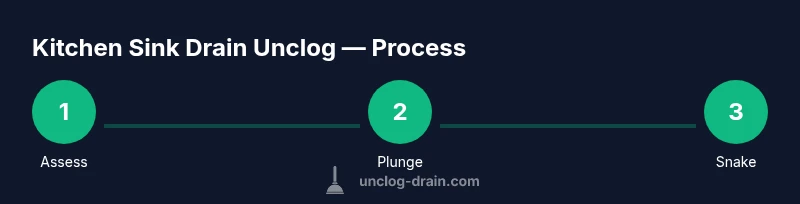
Goal: restore flow in a kitchen sink drain quickly using safe, hands-on steps. Start by clearing the surface and removing the strainer, then inspect and disconnect the P-trap if necessary. If the clog persists, plunge firmly and follow with a drain auger to clear the clog. Avoid chemical cleaners and always wear gloves and eye protection.
Understanding the problem and common causes
Clogs in a kitchen sink drain are typically caused by a buildup of grease, food particles, soap scum, and small debris that accumulate over time in the P-trap and drain lines. The goal of a kitchen sink drain unclog is to remove the obstruction and restore steady flow without damaging pipes. According to Unclog Drain, most kitchen-sink clogs originate in the trap or the trap arm, where fats and solids collect and restrict water movement. By understanding where clogs form, you can choose safer, more targeted methods—moving from mechanical methods to more thorough clearance if needed. Being systematic reduces mess and avoids unnecessary part replacement.
Safety first: Prepare and protect your workspace
Before you touch anything, set the area up for success. Put a bucket under the sink to catch water, lay down towels, and ensure kids and pets are out of the way. Wear nitrile gloves and safety glasses to protect your eyes from splashes and debris. If you have a garbage disposal, switch off the power at the outlet or unplug the unit to prevent accidental activation. Avoid mixing chemical drain cleaners with other cleaners, and never pour them into a live system with standing water. A clean, dry workspace minimizes slip hazards and helps you stay organized during the unclog process.
Step-by-step context: what often causes the most trouble
Clogs in kitchen sinks usually form where you least expect them: the P-trap, the horizontal run, or the disposal inlet. Food scraps and grease cling to the pipe walls, and soap residues become hard over time. If you’re unsure where the blockage sits, start with the accessible areas first—the sink strainer and the P-trap—before diving deeper. This approach aligns with practical DIY practice and reduces the chance of pushing the clog farther down the line. Label or photograph fittings before disassembly to simplify reassembly.
Step 1: Clear the surface and access the drain
Remove the sink stopper or strainer and clear visible debris from the drain opening. Clear a path so you can see how much water drains when you run the tap. This initial step helps you gauge the clog’s severity and determine whether you can clear it with plunging alone or if you’ll need a drain auger. Keep the bucket handy for catching water and debris during removal. If you see food scraps or buildup on the strainer, clean it thoroughly before reassembling.
Step 2: Inspect and remove the P-trap
Position your bucket under the P-trap, then loosen the slip nuts with a wrench or by hand. Slowly lower the trap and inspect for a clog inside. If you can see the obstruction, remove it with a gloved hand or a small brush. Clean the inside of the trap completely, wipe away any residues, and inspect the washers for wear. Reassemble the trap in the same orientation to prevent leaks. This step often resolves many slow-drain issues.
Step 3: Plunge the drain correctly
Place the plunger so it forms a tight seal over the drain opening. For best results, fill the sink with enough water to cover the plunger cup, then push and pull with steady, controlled pressure. Use quick, short pumps to pressurize the line and loosen the clog. If you have a double basin, seal the other side with a damp cloth to maintain pressure. Avoid using excessive force that could crack pipes.
Step 4: Snaking with a drain auger (snake)
If plunging doesn’t clear the clog, insert a drain auger into the pipe and rotate it slowly while feeding it forward. When you encounter resistance, rotate and pull back slightly to dislodge the blockage. Retract the auger gradually to bring out debris. Rinse the line with hot water during and after to help flush dislodged material away. This mechanical approach is often the most effective next step for stubborn clogs.
Step 5: Flush and test the drain
Rinse the system with hot water to clear any remaining loosened material. Reassemble any removed components securely and run water to test drainage. If the sink clears, run the tap on full and observe for any signs of backup. A final flush with hot water and a small amount of dish soap can help prevent residues from sticking again. If the flow remains slow, it may indicate a deeper blockage or a problem beyond the trap.
Step 6: When to escalate and what to avoid
If multiple plunges and a full auger session don’t restore flow, the clog may be farther down the line or in a shared sewer line. In such cases, cease aggressive DIY methods and consider calling a licensed plumber. Do not mix chemical drain cleaners with other products, and never pour them into a disposal or a soaked trap. Persistent clogs can indicate more serious issues, such as venting problems or sewer line obstructions, which require professional evaluation.
Step 7: Prevention tips to keep your kitchen sink flowing
Maintenance is the best cure for repeated clogs. Use a mesh strainer to catch solids, scrap food into the trash instead of the sink, and run hot water after each use to reduce grease buildup. Periodically clean the P-trap and pipes with a baking soda and hot water flush, and consider a yearly professional inspection if your home has older plumbing. Small habits scale into major savings on repairs and downtime.
Step 8: What to do if it still won't drain
If the drain remains blocked after all mechanical steps, you may be dealing with a venting issue or a main sewer line problem. Avoid heavy-handed chemical cleaners, which can damage seals and trap components. Schedule a plumbing visit, share what methods you tried, and ask about camera inspection options to identify the blockage’s location. A professional approach saves time and protects your plumbing system in the long run.
Tools & Materials
- Plunger (cup or flange)(8-12 inch capacity; use a flange-style for double sinks)
- Drain snake / hand auger(3-6 ft length; choose metal for durability)
- Bucket(Catch water and debris beneath the P-trap)
- Gloves (nitrile)(Comfortable, chemical-resistant; avoid latex if sensitive)
- Old towels or rags(Protect surfaces and absorb spills)
- Flashlight(Inspect dark pipe sections)
- Dish soap(Lubricates the plunger and helps slide debris)
- Vinegar and baking soda(Natural flushing combo as a maintenance step)
Steps
Estimated time: 60-90 minutes
- 1
Assess the clog and prep
Inspect the sink area and determine whether water drains slowly or backs up. Gather tools and clear the work area. If a disposal is present, disable it and ensure there is no power to the unit. This quick assessment saves time later and reduces surprises.
Tip: Label components you remove to simplify reassembly. - 2
Remove the stopper/strainer
Take out the sink stopper or strainer to access the drain. Clear visible debris from the strainer and wipe it clean before reinstalling. This step often reveals an obvious clog or reduces blockage from the top.
Tip: Use a small brush to remove trapped particles around the stopper seat. - 3
Loosen and inspect the P-trap
Place a bucket under the P-trap, loosen the slip nuts, and remove the trap. Check for debris inside the trap and clean it thoroughly. Reassemble with new or clean washers to prevent leaks.
Tip: Take a moment to note the orientation of washers and nuts for proper reassembly. - 4
Plunge the drain
Position the plunger to seal the drain and fill the basin with water if needed. Use firm, controlled strokes to create pressure and break the clog. Remove the plunger and check drainage; repeat if necessary.
Tip: Seal well around the drain to maximize suction; avoid breaking the seal mid-pump. - 5
Snake the drain
Insert the drain auger into the pipe and gently rotate while pushing forward. When you meet resistance, rotate and pull back to tease the clog loose. Continue until the water runs freely.
Tip: Do not force the auger; slow, steady motion reduces pipe damage. - 6
Flush and test
Run hot water through the lines to flush dislodged material and residues. Reassemble any components, then run water again to confirm the drain clears. If water slows again, consider repeating steps or escalating to professional help.
Tip: Finish with a brief dish soap rinse to help prevent future buildup.
Common Questions
What is the most effective method to unclog a kitchen sink drain?
Start with a thorough plunger and follow with a drain auger if needed. Removing and cleaning the P-trap often resolves most clogs without chemicals.
Begin with plunging, then snake if needed; removing the P-trap usually fixes most kitchen clogs.
Can I use a chemical drain cleaner in a kitchen sink?
Chemical cleaners are not recommended for kitchen sinks because they can damage metal parts and disposals and may not reach all blockages. Use mechanical methods first and seek professional help if needed.
Hazardous chemical cleaners can damage pipes and disposals; try mechanical methods first and call a pro if needed.
When should I remove the P-trap?
If plunging alone doesn’t clear the clog, remove the P-trap to physically inspect and clear debris. Cleaning the trap often reveals the blockage and prevents reinsertion of gunk into the line.
If plunging fails, take off the P-trap to clear debris directly.
What if the clog is in the garbage disposal?
If the disposal is clogged, disconnect power and attempt to clear from the unit inlet with pliers or an appropriate tool. Do not put hands in the disposal. If unresolved, call a plumber.
Disposal clogs require power off and careful clearing from the inlet; if unresolved, seek a pro.
Is it safe to snake a double kitchen sink drain?
Yes, but work one basin at a time and ensure the other side is sealed to maintain pressure. Check both sides for flow after clearing the first.
Snake each side separately and seal the other side to build pressure.
Key Points
- Assess clog location before disassembly.
- Prioritize mechanical methods over chemicals in kitchens.
- Properly remove and inspect the P-trap.
- Use a drain auger only with controlled motion.
- Prevent future clogs with simple maintenance habits.