Drain Unclog for Kitchen Sink: A Practical DIY Guide
Step-by-step techniques to unclog a kitchen sink drain safely, including plunger use, snaking, P-trap cleaning, and prevention tips from Unclog Drain.


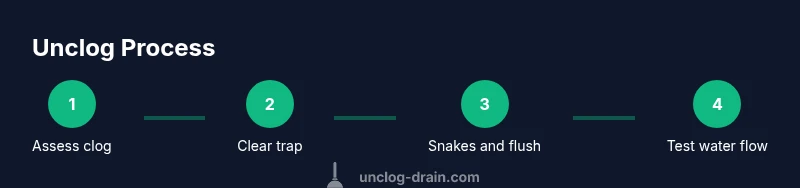
By the end of this guide you will be able to unclog a kitchen sink drain safely and effectively. You'll diagnose common causes, choose the right method, and use practical tools for a fast fix that minimizes mess and avoids costly service calls. This process emphasizes starting simple and escalating only as needed, following steps that protect your pipes.
Why kitchen sink clogs happen and how to spot them
Culprits for kitchen sink clogs are typically a mix of food debris, grease, coffee grounds, and soap scum that build up in the drain line over time. When the clog restricts flow, standing water, slow drainage, or a gurgling sound are common signs. The Unclog Drain team notes that many clogs begin at the trap or near the disposal, where residues accumulate. Regular maintenance, like scraping plates before rinsing and running hot water weekly, can reduce buildup. In this section we’ll distinguish between small blockages you can fix with basic tools and more persistent clogs that require a more hands-on approach.
Diagnostic flow: is it a simple clog or a bigger issue?
Before you dive in, you should determine whether the problem is local to the kitchen sink or part of a broader drainage issue. Start by running water in the other sink if you have a double-basin setup. If both sides drain slowly, the issue may be near the main line or venting. If only one side is affected, focus on that side’s trap, disposal connection, or the drain line. According to Unclog Drain, many kitchen sink clogs respond to mechanical clearing rather than chemical cleaners. This means you can often resolve the problem with basic tools and careful technique.
Prep and safety: setting up to unclog without a mess
Clear the area under the sink and place a bucket ready to catch water. Put on gloves and use towels to contain splashes. Have rags handy for quick cleanups, especially if you need to disconnect the P-trap. Avoid mixing chemicals or using multiple cleaners at once. A deliberate, methodical approach reduces splash and keeps your workspace clean, which is crucial when working near electrical outlets and plumbing fittings.
Mechanical methods first: plunger and drain snake basics
Mechanical methods are often enough for many kitchen sink clogs. A sink cup plunger can dislodge the blockage, especially if the clog is near the drain. If a plunger doesn’t clear the line, a drain snake (auger) can be introduced to break up the blockage. Work slowly and rotate the snake to feel for resistance. The goal is to grab or cut the clog so water can pass freely.
When to remove the P-trap: cleaning for stubborn debris
If the clog persists, removing and cleaning the P-trap is a reliable next step. Place a bucket beneath, loosen the slip nuts, and inspect for hair, grease, or food matter. Clean the trap thoroughly, rinse it, and reinstall with new plumber’s tape or seals as needed. Reconnect all joints and hand-tighten before testing drainage. This step is often the turning point for stubborn blockages.
Safe chemical considerations and alternatives
Chemical drain cleaners are not your first option for a kitchen sink due to potential damage to pipes and disposal units. If you choose to use alternatives, opt for a baking soda and vinegar or hot water flush in small amounts, as a preventive step rather than a primary cure. Always follow label directions and wear eye protection if handling caustic cleaners. The safest path is mechanical clearing and thorough rinsing, especially in homes with septic systems.
Post-clear rinse and test: confirming a clear drain
After clearing, run hot water for several minutes to flush out residual material. Check that both sides of any double sink drain freely, and listen for unusual noises that might indicate a re-sealed connection or new obstruction. If the flow returns to normal, you’re likely done. If not, repeat the steps or proceed to inspect the disposal inlet, trap, and venting path.
Preventive habits to keep your kitchen sink flowing
Adopt a few simple habits to minimize future clogs: scrape solids into the trash rather than the disposer, run hot water down the drain after meals, and occasionally clear the trap. Consider a weekly flush with hot water and a small amount of baking soda to reduce grease buildup. Storage tips and a clean-out interval schedule can also save time and avoid messy emergencies.
When to call a pro: signs you need expert help
If you’ve tried mechanical methods and still face slow drainage, foul odors, or backups into other fixtures, it’s time to call a professional. A licensed plumber can diagnose venting issues, sewer line problems, or hidden blockages. The Unclog Drain team emphasizes safety and efficiency—trust a pro when DIY attempts don’t restore proper flow.
Tools & Materials
- Cup plunger(Choose a sink-specific plunger with a wide, flat bell.)
- Drain snake/auger(1/4 inch or 5/16 inch flexible snake; metal coil preferred.)
- Bucket(To catch water and put debris in.)
- Gloves(Rubber or nitrile for hygiene and grip.)
- Adjustable wrench(Helpful if you need to loosen pipe fittings.)
- Towels/rags(Contain splashes and keep area dry.)
- Boiling water(Useful after grease buildup (do not use on PVC if advised by manufacturer).)
- Baking soda and vinegar(Natural alternative for gentle flushing.)
- Flashlight(Inspect the drain path and trap orientation.)
Steps
Estimated time: 60-90 minutes
- 1
Prepare area and shut off water
Clear the area under the sink and place a bucket. Put on gloves and lay towels to catch splashes. If you anticipate a messy job, cover nearby surfaces and keep a cloth handy for quick cleanup. Shutting off the water minimizes the chance of backflow while you work.
Tip: Have a flashlight ready to inspect the drain path before you disassemble any fittings. - 2
Access the trap and assess
Place the bucket under the P-trap. Use the adjustable wrench to loosen the slip nuts if necessary, then carefully remove the trap. Inspect for hair, food debris, or grease. Rinse the trap and set aside for cleaning.
Tip: Keep the trap level during reassembly to avoid leaks. - 3
Try the plunger first
Fill the sink partially with water to cover the plunger cup. Position the plunger over the drain and pump firmly, maintaining a seal. If the water rises and drains slowly, repeat several times. This often dislodges minor clogs near the mouth of the drain.
Tip: Ensure a tight seal; a loose seal reduces suction and effectiveness. - 4
Snake the drain to break up the clog
Insert the drain snake into the drain or disposal inlet and rotate while pushing forward. When you feel resistance, pull back slightly and continue advancing. Withdraw the snake slowly to pull debris free and rinse the line with hot water.
Tip: Go slowly and feel for the point where the resistance lessens; that often indicates the clog has passed. - 5
Reset the trap and flush
Reassemble the P-trap and securely tighten the fittings. Run hot water for 2–3 minutes to flush remaining debris. If the flow remains sluggish, repeat snake work or consider alternative clearing methods.
Tip: Hand-tighten connections first, then snug with a wrench—avoid over-tightening. - 6
Evaluate chemical alternatives with care
If you opt for a chemical cleaner, choose a mild product and follow the label exactly. Do not mix cleaners or use near disposals or pipes not rated for chemical exposure. Mechanical methods are generally safer for kitchen sinks.
Tip: Never mix chemical cleaners with baking soda and vinegar in the same drain attempt. - 7
Final test and maintenance
Run water through the sink on full flow to verify clearance. Check for leaks at every connection. Do a quick maintenance rinse monthly to prevent buildup and extend the life of the drain path.
Tip: Schedule a periodic trap check to catch leaks early.
Common Questions
What should I try first to unclog a kitchen sink?
Start with basic mechanical methods: try a cup plunger to clear the drain mouth, then move to a drain snake if needed. These methods avoid harsh chemicals and protect your pipes. If the clog persists, inspect the trap and disposal connections.
Begin with plunging, then snake the drain if necessary. If that fails, check the trap and disposals for debris.
Can I use chemical drain cleaners on a kitchen sink?
Chemical cleaners can damage pipes and disposals, especially if used repeatedly. Mechanical methods are safer for most kitchen sinks. If you must use a chemical, choose a product designed for kitchen drains and follow the label precisely.
Chemicals can harm pipes; mechanical methods are usually safer. Follow the label if you decide to use them.
How long should I wait after using baking soda and vinegar?
Baking soda and vinegar can help loosen minor buildup when used as a maintenance flush. Do not rely on them for stubborn blockages. After applying, flush with hot water for several minutes and observe drainage.
Use baking soda and vinegar cautiously, then rinse with hot water and check flow.
Is it safe to remove and clean the P-trap myself?
Yes, removing and cleaning the P-trap is a common DIY step. Be prepared for water and debris and reassemble with new seals if needed. Ensure the area is dry and leak-free after reassembly.
Removing the P-trap is typically safe for DIYers; just be ready with a bucket and towels.
What are signs the blockage is in the main sewer line?
If multiple fixtures drain slowly or back up simultaneously, the problem may be in the main line. In such cases, contact a professional plumber for an accurate diagnosis and safe resolution.
Slow drainage across fixtures suggests a main line issue; call a pro.
What if water backs up into another sink or tub?
Backups in other fixtures indicate a broader drainage problem or venting issue. Stop using water in that area and call a professional if the problem persists after attempting the standard DIY methods.
Backups mean a bigger issue—consider professional help if it continues.
Watch Video
Key Points
- Identify the blockage area before disassembling.
- Start with plunging and snaking; reserve chemicals as a last option.
- Reassemble the trap carefully to prevent leaks.
- Flush thoroughly and test drainage after any clearing.
- Prevent future clogs with routine maintenance.