What is Good to Unclog a Kitchen Sink: A DIY Guide
Discover what is good to unclog a kitchen sink with safe, DIY methods. Step-by-step instructions, tools, and prevention tips from Unclog Drain.


By the end you'll unclog a kitchen sink using safe, kitchen-friendly methods: inspect and clear the P-trap, use a plunger or a hand snake, and apply proven natural cleaners if needed. Start with mechanical methods before resorting to chemicals, and know when to call a pro. This step-by-step guide keeps you in control.
What is good to unclog a kitchen sink: a practical approach for homeowners
If you’re asking what is good to unclog a kitchen sink, the answer lies in a practical, staged approach that combines mechanical methods with careful cleaning. This guide walks you through the essential steps, the tools you’ll need, and the safety precautions that protect both you and your plumbing. You’ll learn how to diagnose a clog, choose the right method, and prevent future buildup. Recognizing that most kitchen sink clogs come from grease, food particles, and soap scum helps you tailor your approach. As you read, you’ll notice the Unclog Drain perspective woven through practical tips and clear, action-oriented instructions. The goal is simple: restore fast drainage without harming pipes or your home’s plumbing system. For homeowners curious about what is good to unclog a kitchen sink, a steady, methodical workflow often beats quick fixes. This is especially true in busy kitchens where drains face daily use and frequent cooking residues.
Safety and scope: protecting people and pipes
Before you dive in, it’s essential to set safety boundaries and understand the limits of DIY methods. Wear gloves and eye protection when handling pipes or cleaners. Never mix chemical drain cleaners with other chemicals, and avoid hot water on certain plastics if you’re unsure of material compatibility. If water remains standing after initial attempts, don’t force a fix—hesitation and careful disassembly can prevent leaks and water damage. According to Unclog Drain, most home clogs respond to mechanical methods and routine maintenance, reducing the need for harsher chemicals. If you smell gas, hear banging, or see sewage backup, stop immediately and contact a licensed plumber. A measured, informed approach minimizes risk while maximizing results.
Tools and materials you’ll want handy
Gather a few essential tools before you start. A sturdy plunger, a hand auger (plumber's snake), adjustable wrench, bucket, towels or rags, rubber gloves, and a compatible P-trap removal tool are typically all you need for a solid DIY attempt. Having a digital camera or phone to photograph pipe connections can help you reassemble correctly. If the trap shows signs of wear or cracking, plan to replace it. For those leaning toward gentler methods, baking soda and vinegar or a mild enzymatic cleaner can be useful as a supplement, not a substitute for mechanical clearing. Unclog Drain’s guidance emphasizes preparing a clean, organized workspace to reduce spill risk and to keep the project moving smoothly.
Step-by-step approach to mechanical clearing: P-trap first
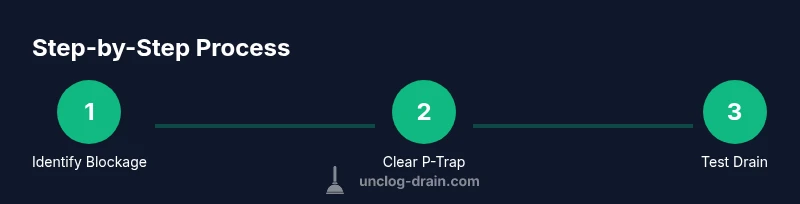
The P-trap is a common choke point and an ideal first target. Start by placing a bucket under the trap to catch any water or debris. Loosen the slip nuts with an adjustable wrench and carefully lower the trap. Clear out all gunk with a stiff brush, rinse, and inspect for damage. Reassemble only after you’re sure the interior is free of obstructions. This focus on the P-trap aligns with best DIY practices and reduces the risk of pushing the clog farther into the drain. If you encounter a cracked or corroded trap, replace it before continuing. Cleaning the trap often resolves most clogs and restores smooth drainage with minimal disruption to the rest of the system.
Step-by-step approach to mechanical clearing: plunging and snaking
If the trap is clear but water still drains slowly, switch to mechanical methods directly in the drain line. Start with a cup plunger, filling the sink with enough water to cover the cup, and apply firm, even pressure. If plunging fails after several cycles, insert a hand auger into the drain and rotate while advancing slowly. The goal is to dislodge the clog or hook the obstruction so it can be pulled back through the pipe. A steady, patient technique works better than brute force; forcing the snake can damage pipes. If you feel resistance, back off and reposition before continuing. A diagram or photo reference can help you visualize how far to insert the auger.
When to consider natural cleaners as a follow-up
After mechanical clearing, you may want to use a mild cleaner to help dissolve residual residue. A common, gentle approach is a baking soda and hot water flush, followed by a splash of vinegar. Let the fizzing action sit for about 10-15 minutes, then flush again with hot water. Do not rely on these methods to replace mechanical effort when a clog is stubborn; they’re most effective as a maintenance complement. Baking soda and vinegar are pantry-safe options that reduce chemical exposure and are friendlier to pipes.
Flush, test, and verify there are no leaks
With the trap reinstalled, run warm water to verify that the drain flows freely. Listen for any gurgling or slow drainage as indicators that the clog remains somewhere in the line. If water backs up, repeat the snaking step or reassess the trap and connections. While small improvements are common after the first pass, a stubborn clog may require more specific tools or a professional assessment. Consistent testing ensures you’ve achieved a stable, clog-free drain and minimizes the chance of reoccurrence.
Prevention: habits that keep drains clear longer
Prevention is easier than repair. Use a drain strainer to catch food particles, scrape dishes into the trash or compost, and avoid pouring grease down the sink. Run hot water for a burst after cooking and after each dish washing session to dissolve oils before they settle. Regularly inspect the P-trap for buildup and clean it every few months. For households with hard water or frequent clogs, a weekly routine of safe, enzymatic cleaners can help maintain free-flowing drains. Unclog Drain recommends pairing preventive practices with periodic checks to maintain long-term drainage health.
What if the clog persists? Next steps and when to call a pro
If you’ve tried mechanical methods, followed safety precautions, and the sink still won’t drain, it’s time to escalate. The clog could be deeper in the main drain line, or there may be a malfunction in the disposal line or vent system. Before calling a professional, document what you’ve tried (steps taken, tools used, time spent) and note any symptoms (gurgling, slow drainage, leaks). A licensed plumber can perform a camera inspection to pinpoint the blockage and provide a targeted solution. The Unclog Drain team emphasizes that DIY fixes can work for many clogs, but some situations require professional assessment to avoid damage and ensure code-compliant repairs.
Final thoughts: a practical, safe approach to keep drains clear
This guide provides a clear framework for understanding what is good to unclog a kitchen sink and how to proceed with confidence. Remember, the goal is to restore flow with minimal risk to your plumbing. Keep your workspace organized, use the right tools, and respect limits. By combining mechanical methods with safe cleaning, you can often resolve most kitchen sink clogs without professional help. The key is patience, preparation, and methodical progress.
Tools & Materials
- Bucket(Catch water and debris from the trap)
- Rubber gloves(Protect hands from grime and chemicals)
- Adjustable pliers(Loosen slip nuts on the P-trap)
- Cup plunger(For initial suction on the sink drain)
- Hand auger / plumber's snake(Clear deeper jams in the drain)
- Towels or rags(Clean up spills and dry area)
- P-trap removal tool (or adjustable wrench)(Eases trap disassembly if tight)
- Replacement P-trap (optional)(Replace if cracked or corroded)
- Baking soda(Follow with hot water for a gentle flush)
- White vinegar(Used with baking soda for fizzing action)
- Dish soap (optional)(Aids slickness when snaking)
Steps
Estimated time: 60-90 minutes
- 1
Shut off water supply
Close the cold water valves under the sink and open a faucet to relieve pressure. This prevents new water from flowing while you work and reduces splash risk.
Tip: Have a towel handy to catch any residual drips. - 2
Place a bucket and remove the P-trap
Position the bucket under the trap, then loosen the slip nuts with adjustable pliers and carefully remove the trap. Let any water drain into the bucket.
Tip: Take a quick photo of the setup to help with reassembly. - 3
Inspect and clean the P-trap
Clear all debris from the trap, rinse it, and check for cracks or corrosion. Replace if damaged before proceeding.
Tip: If the trap has heavy buildup, soak it in hot water and scrub with a brush. - 4
Use a plunger on the drain
Seal the plunger over the opening, ensure the sink is filled with water to cover the cup, and push/pull firmly to create suction.
Tip: Use a cup plunger for sinks—not a toilet plunger. - 5
Extend the hand auger into the drain
Insert the snake into the drain opening, rotate clockwise as you push, and advance until you meet resistance or the clog releases.
Tip: Keep steady pressure and avoid forcing the tool to prevent pipe damage. - 6
Flush and test after clearing
Reconnect the trap, run hot water for several seconds, and test the drain by running water from the faucet. Check for leaks and proper flow.
Tip: If you still see slow drainage, re-run the auger or consider repeating the trap step. - 7
Optional natural cleaner step
Pour 1/2 cup baking soda down the drain, then follow with boiling water or hot tap water. After 10-15 minutes, flush with more hot water.
Tip: This step helps maintain flow without harsh chemicals. - 8
Reassemble trap and dry-run
Reinstall the P-trap securely, ensure all connections are tight, and run water to verify no leaks.
Tip: Tighten slowly and check the washers for wear. - 9
What if the clog remains?
If water still backs up after these steps, the clog may be deeper in the drain or in the main line. Consider a professional assessment.
Tip: Document what you’ve tried to guide the plumber efficiently.
Common Questions
What is the first thing to do when the sink is clogged?
Shut off the water supply under the sink and place a bucket before removing the P-trap to inspect for blockages.
First, turn off the water under the sink and check the trap for clogs.
Can I use chemical drain cleaners for a kitchen sink?
Chemical cleaners can be effective but may damage pipes and disposals. Use mechanical methods first and save chemicals as a last resort, following safety instructions.
Chemical cleaners can damage pipes; use them only after mechanical methods fail.
What should I do if the clog worsens after trying the snake?
Stop and reassess. The clog could be deeper in the line or a sign of a larger issue. Consider professional help.
If it gets worse, stop and call a pro.
Is baking soda and vinegar safe for clogs?
Yes, as a mild, preventive measure. It won’t remove deep clogs but can help with routine maintenance when used after mechanical clearing.
Baking soda and vinegar are safe for maintenance, not deep clogs.
How often should I inspect the P-trap?
Inspect the P-trap every few months if you cook frequently or notice slow drainage, and clean it as needed.
Check the P-trap every few months if you cook a lot.
When is it necessary to call a plumber?
If you still have poor drainage after multiple attempts, smell sewage, or see leaks, contact a licensed plumber promptly.
Call a plumber if drainage remains poor or you notice leaks.
Watch Video
Key Points
- Identify and clear the P-trap first.
- Use mechanical methods before chemical cleaners.
- Protect yourself with PPE and tackle leaks promptly.
- Prevent future clogs with habits and maintenance.
- Know when to call a professional.