Clean Out Sink Drain: A DIY Guide
Learn safe, step-by-step methods to clean out a sink drain: plunge, snake, and maintain for a clog-free sink. Includes tools, tips, maintenance, and a printable checklist for DIY homeowners.


You will learn how to clean out a sink drain using basic tools, diagnose a simple clog, and prevent future backups. This guide covers plunging, using a drain snake, and safe, chemical-free methods, plus maintenance tips. Before you start, gather gloves, a bucket, plunger, drain snake, baking soda, vinegar, and hot water.
Why Clean Out a Sink Drain Matters
According to Unclog Drain, regular drain maintenance helps prevent clogs, backups, and foul odors that disrupt daily routines. A clean drain lets water flow freely, reducing the chance of standing water that attracts bacteria. When you act early, you save on costly repairs and minimize disruption to your kitchen or bathroom. This section explains how everyday use—grease, soap scum, and food particles—accumulates and why regular cleaning is a smart home habit. By understanding the mechanics of your drain, you can choose safer, more effective methods that protect pipes and seal joints from future damage. With a calm, methodical approach, you can handle most clogs without calling a plumber, especially if you catch them early. The goal is to restore flow, reduce odors, and keep your drains in peak condition all year long.
Common Causes of Sink Drain Clogs
Clogs in sinks often form at the trap or in the drain line where debris collects. In kitchen sinks, grease and food particles stick to the pipes as they cool, creating a thick, slow-moving mass. In bathrooms, hair, soap scum, and mineral buildup do the same. Fibrous materials like potato peels or celery can tangle with other debris and form a stubborn blockage. Over time, multiple small clogs can align to create a single, larger stoppage. Understanding these causes helps you tailor your approach: lighter maintenance for minor buildup and more active intervention for stubborn blocks. Regular flushing with hot water after heavy use can prevent many issues, and occasional baking soda and vinegar treatments can maintain neutral pH and reduce buildup. As you gain experience, you’ll notice patterns that signal when it’s time to escalate from simple clears to more thorough methods.
Tools and Safe Practices for Sink Drain Cleaning
Before you begin, prioritize safety and organization. Wear rubber gloves and eye protection to guard against splashes. Keep a bucket handy for standing water and a towel to catch drips. Start with the least invasive method—hot water flush and manual debris removal—before moving to plungers or snakes. If you’re dealing with a multi-vent system or suspect sewer backup, stop and call a professional. When handling any chemical cleaners, always follow the label and avoid mixing products, especially bleach with ammonia or drain cleaners with vinegar. For metal traps and PVC pipes, gentler methods are safer and often just as effective if used consistently. Keeping the work area clean minimizes slips, and a well-lit space helps you spot debris and measure progress.
Step-By-Step Approach to Clean Out the Drain (Overview)
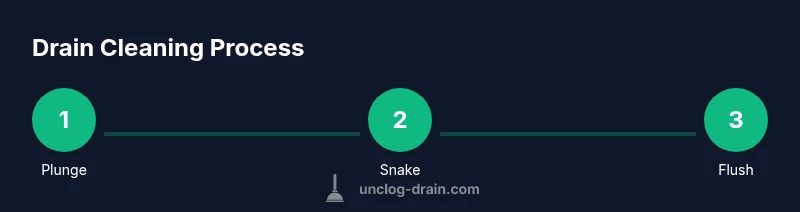
This section provides an overview of the practical methods used to clear a sink drain. Start with a visual check of the strainer and trap for obvious blockages. If the clog remains, progress to a plunger to generate suction that can dislodge buildup. When plunging fails, a drain snake (auger) can reach deeper into the pipe to mechanically dislodge the obstruction. Finish with a hot water rinse and, if needed, a baking soda-vinegar treatment to maintain cleanliness. In many cases, you’ll achieve a clear drain with methodical, patient steps rather than aggressive chemical solutions. Remember, frequent maintenance is more effective than rare, drastic cleaning.
Aftercare and Maintenance to Prevent Future Clogs
Once the drain is clear, establish a simple maintenance routine to keep it flowing smoothly. Flush with hot water daily or after heavy use, and consider a weekly baking soda and hot water ritual to reduce odor and buildup. Avoid pouring grease down the drain, and use a strainer to capture solids. Periodically inspect the trap for leaks or slow drainage, and replace any corroded hardware promptly. If you notice recurring clogs at the same spot, it may indicate a broader issue in the plumbing that requires a professional assessment. The key to long-term success is consistency and small, regular maintenance.
Quick Maintenance Checklist
- Clean the strainer after each use to prevent food debris from entering the drain.
- Run hot water for 15–30 seconds after using the sink to help slide a potential buildup down the line.
- Periodically sprinkle baking soda, then flush with hot water to neutralize odor-causing residues.
- Inspect the trap under the sink for leaks, corrosion, or standing water and tighten connections as needed.
- If a clog persists for more than a day or affects multiple fixtures, consult a licensed plumber promptly.
Tools & Materials
- rubber gloves(Protect hands from dirty water and debris)
- bucket(Catch water and debris; use 2–3 liters capacity)
- drain plunger(Cup plunger preferred for sinks)
- drain snake / auger(6–25 ft drain snake depending on pipe length)
- old towels or rags(Contain spills and protect surfaces)
- baking soda(Deodorizes and aids mild buildup removal)
- white vinegar(Used with baking soda for fizzing cleaning action)
- hot water kettle or pot(Heat water to flush out buildup)
- glasses or flashlight(Improve visibility under sink)
- adjustable wrench(If you need to loosen trap nuts)
Steps
Estimated time: 30-45 minutes
- 1
Remove the strainer and visible debris
Put on gloves. Place a bucket beneath the trap. Remove the sink strainer and pick out obvious clogs or food scraps. This is the quickest way to restore flow if the blockage is near the surface.
Tip: Take note of any large pieces; they indicate what caused the clog. - 2
Prepare the area and protect surfaces
Clear the area, lay towels to catch splashes, and ensure the water supply is stable. If you must disassemble the trap, place the parts in a labeled container to avoid losing small pieces.
Tip: Label trap parts to ease reassembly. - 3
Flush with hot water
Boil water and slowly pour down the drain to loosen grease and soap scum. This simple step can often clear minor blockages and reduce the load on plungers and snakes.
Tip: Do not use boiling water if you have PVC pipes with brittle joints. - 4
Plunge the drain
Seal the overflow opening if applicable and plunge vigorously several times. Lift and reseal to maintain suction. Check if water drains away after a few attempts.
Tip: A good seal of the plunger increases suction and effectiveness. - 5
Use a drain snake if needed
Insert the snake into the drain, turning it clockwise as you push. When you feel resistance, rotate and pull back slightly to retrieve debris. Repeat until water flows freely.
Tip: Avoid forcing the snake; gentle pressure prevents pipe damage. - 6
Finish with rinse and deodorize
Run hot water for 1–2 minutes to flush the system. If desired, flush with a baking soda and vinegar fizz to deodorize and maintain cleanliness.
Tip: Finish with a final hot water flush to clear any remaining debris.
Common Questions
What is the fastest way to unclog a sink drain?
Start by removing the strainer, then plunge firmly. If water still backs up, use a drain snake to reach deeper and dislodge the blockage. Finish with hot water flush.
Remove the strainer, plunge firmly, then try a drain snake if needed; finish with hot water to verify flow.
When should I call a plumber instead of DIY?
If you have multiple clogged drains, backing water, sewage smell, or persistent blockages after using a snake, stop and contact a licensed plumber.
If several drains back up or you smell sewage, call a plumber.
Are chemical drain cleaners safe for all pipes?
Most chemical cleaners can damage older pipes and create hazardous reactions if mixed with other cleaners. Prefer mechanical methods and natural cleaners when possible.
Chemical cleaners can harm pipes; use mechanical methods first and natural cleaners as maintenance.
Can baking soda and vinegar prevent clogs?
They help with mild buildup and odors but aren’t a guaranteed fix for serious clogs. Use them as a maintenance step after clearing the drain.
Baking soda and vinegar help with minor buildup, but aren’t a cure-all for big clogs.
How often should I perform sink drain maintenance?
Aim for a light maintenance routine monthly and a deeper clearance every 6–12 months depending on usage and pipe condition.
Do a quick monthly rinse and a deeper check every 6 to 12 months.
Is it safe to pour boiling water down PVC pipes?
Boiling water can soften or crack older PVC or glue joints. Use hot but not boiling water if you’re unsure about pipe material.
Boiling water can damage PVC; use hot water instead if unsure.
Watch Video
Key Points
- Remove debris before disassembly to simplify the job
- Start with the least invasive method (hot water flush, then plunger)
- Use a snake only if plunging fails
- Maintain drains regularly to prevent future clogs