Fixing a Dual Kitchen Sink Clog: A DIY Guide
Learn how to fix a dual kitchen sink clog quickly with practical steps, safe fixes, and prevention tips. From P-traps to disposal, this guide covers diagnostic steps and where to seek pro help if needed.


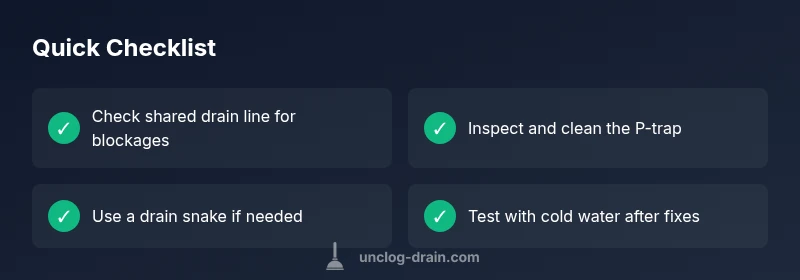
Most likely, the dual-sink clog comes from a shared drain segment or a blocked P-trap. Start with the simplest fixes: plunge each basin, then inspect the P-trap under the sink and clear debris. If water still backs up, move to a snake or auger and proceed carefully.
Common Causes of a Dual Sink Clog
If you have both kitchen sinks clogged, the problem is usually downstream from the basins, indicating a shared blockage in the drain line, the P-trap, or the disposal connection. According to Unclog Drain, many dual-sink clogs start with grease, soap scum, and food debris building up in the common pipe beneath the cabinet. Over time this buildup narrows the passage, slowing drainage until water can no longer pass through freely. Another frequent culprit is a partially blocked disposal or a misaligned trap arm, which creates backflow from one sink into the other. Identifying the likely source helps you choose the right first steps and minimizes unnecessary disassembly. Taking a quick inventory: Is the backup worse after using the disposal? Do you notice gurgling or slow drainage only after you run hot water? These clues point you toward the most effective fix. If you notice strong odors or standing water that won’t drain even after plunging, you’re likely facing a more stubborn blockage that will require more thorough cleaning or professional help.
Start with Easy, Safe Fixes
Begin with the simplest, safest fixes before disassembling any plumbing. First, try plunging both basins. Use a sink plunger designed for double basins: seal one basin, leave the other open, and plunge firmly for 20-30 seconds. If water still refuses to drain, run hot water down the drain for several minutes to loosen soap and grease. Then add a half cup of baking soda followed by a cup of boiling water or white vinegar and hot water to help break up residue. Avoid mixing chemical drain cleaners with bleach, ammonia, or other cleaners, as dangerous fumes can form. If you have a disposal, run it briefly with cold water to see if the issue comes from the disposal rather than the drain line. Remember: never force a chemical cleaner into a blocked disposal. If plunging and flushing don’t resolve the backup, move to mechanical methods.
How to Inspect the P-Trap and Drain
A clogged P-trap is a common culprit for both sinks sharing a drain. Place a bucket beneath the trap, then carefully loosen the slip nuts with adjustable pliers. Remove the trap and clear out debris with a bottle brush or pipe-cleaning tool. Rinse the trap with water to ensure it’s clean and reinstall it snugly, avoiding overtightening. While you’re under the sink, inspect the trap arm and the connection to the wall drain for signs of leaks or corrosion. A partially collapsed or misaligned trap arm can mimic a clog, so replace damaged sections if needed. After reassembling, run cold water through both basins to verify drainage. If you still see slow drainage, the blockage may lie farther down the line, requiring a snake or professional intervention.
Using a Drain Snake or Auger
If the P-trap is clear but water still backs up, a drain snake or auger is your next step. Feed the snake slowly into the drain until you feel resistance, then rotate the handle to break through the clog. For dual sinks, you may need to snake from both basins or from the main cleanout under the sink cabinet. Work gradually to avoid damaging plastic pipes. After you’ve cleared the line, run a steady stream of hot water to flush debris out of the system. If you encounter a stubborn blockage that won’t budge after several passes, do not force the tool further — damaged pipes lead to leaks and costly repairs. At this point, contact a professional to avoid causing a bigger issue.
When to Call a Professional
If water continues to back up after snaking, if you notice sewage smells, or if backing up occurs in other fixtures, it’s time to call a licensed plumber. A persistent dual-sink clog can indicate a deeper problem in the main drain line or a sewer line issue that requires professional equipment and expertise. Do not delay, as standing water can cause wood damage and mold growth. The Unclog Drain team recommends seeking help sooner rather than later when basic fixes fail or when the clog reappears after a few days.
Prevention Tips to Avoid Future Clogs
Preventive maintenance reduces the frequency of dual sink clogs. Use a drain screen to catch food particles and hair, avoid pouring grease down the drain, and run hot water for 15-30 seconds after each use to purge oils. Periodically treat the drain with a mild baking soda and vinegar routine, followed by hot water. Schedule a quarterly pull-and-clean of the P-trap if it’s accessible, and be mindful of disposing fibrous foods or starch-heavy wastes that can wrap around the trap. Keeping a small bottle of enzymatic cleaner on hand can help maintain a smoother flow without harsh chemicals. Regular checks reduce the chance of a major clog and minimize emergency calls to a plumber.
Steps
Estimated time: 45-60 minutes
- 1
Gather tools and prep area
Collect a plunger, bucket, adjustable wrench, rags, a flashlight, and a drain snake or auger. Clear the cabinet area and place towels to catch any spills. Turn off the under-sink water shutoff valve to avoid accidental leaks.
Tip: Keep the bucket ready to catch residual water. - 2
Shut water and vent the area
Shut off the cold water supply to both sinks and open the cabinet doors to vent any chlorine or cleaner fumes. This also helps you see drips as you work.
Tip: Ventilation is key to safety. - 3
Attempt plunging
Seal one basin and plunge the other to dislodge the clog. Do several firm plunges, then switch sides and repeat. Check if the water drains freely after plunging.
Tip: Use a dedicated plunger for sinks, not a toilet plunger. - 4
Inspect and clean the P-trap
Place a bucket under the P-trap, loosen the nuts, remove the trap, and clear debris. Rinse and reinstall, ensuring tight seals to prevent leaks.
Tip: Do not overtighten; leaks follow over-tightening. - 5
Snake if needed
Feed the snake into the drain until resistance, then rotate and push through the blockage. Remove and clean the snake periodically to avoid reintroduction of debris.
Tip: Slow, steady motion works best. - 6
Test and reassemble
Run cold water to test flow in both basins. If drainage is slow, repeat snaking or move to professional help. Ensure all connections are tight and dry.
Tip: Leave a towel under the area during test runs.
Diagnosis: Two sinks drain slowly or back up at the same time
Possible Causes
- highShared drain line blockage (grease, soap scum, food debris)
- highP-trap blockage or misalignment
- mediumDisposal-related obstruction or jam
Fixes
- easyPlunge the sinks and inspect the P-trap for debris
- easyDisassemble and clean the P-trap, then reassemble
- mediumSnake the drain further down the line to clear deeper blockages
Common Questions
Why are both kitchen sinks clogged at the same time?
A shared drain line or a common P-trap blockage typically causes dual-sink clogs. Disposals or lagging traps can contribute. Start with inspecting the trap and attempting safe fixes before moving deeper into the line.
A shared drain line or P-trap blockage usually causes this; begin with the trap inspection and safe fixes before deeper work.
Can chemical drain cleaners help with dual sinks?
Chemical cleaners can temporarily relieve minor blockages, but they can damage pipes and disposals if misused. They’re not a long-term solution for a dual-sink clog and should be used with caution, following label instructions.
Chemical cleaners can help a little, but they aren’t a reliable fix for dual sinks and can harm pipes if misused.
Is it safe to use a plunger on a double sink?
Yes. Use a double-basin plunger to seal one side while plunging the other. Use short, firm strokes and ensure good seal. If the blockage remains, try the P-trap inspection next.
Yes—seal one basin and plunge the other with firm, short pushes. Then move on if it doesn’t clear.
Should I remove the P-trap to fix a dual sink clog?
Removing the P-trap to clean debris is a common, effective method. Always place a bucket underneath, disconnect carefully, and reassemble tightly to prevent leaks.
Yes, cleaning the P-trap is a standard and effective fix; just be careful and reassemble tightly.
When should I call a professional for a dual sink clog?
Call a professional if the clog persists after snaking, if sewer smells exist, or if backups appear in other fixtures. A licensed plumber can assess the main line and avoid costly damage.
If snaking fails or you smell sewage, call a pro to inspect the main line and protect your plumbing.
Are there maintenance steps to prevent future dual-sink clogs?
Yes. Use drain screens, avoid pouring grease, and run hot water after use. Periodic easy cleanouts of the P-trap and gentle enzymatic cleaners can help maintain flow.
Regular screens, avoid grease, and occasional light cleans keep future clogs at bay.
Watch Video
Key Points
- Identify whether a shared line or P-trap is at fault
- Start with plunging and basic checks before disassembly
- Use a drain snake carefully to avoid pipe damage
- Call a pro if backups persist or sewage odors appear