How to Unclog a Kitchen Sink Drain: A Complete DIY Guide
Learn practical, tested methods to unclog a kitchen sink drain, including DIY tools, safe techniques, common mistakes, and prevention tips for a smoother, faster fix.


If your kitchen sink drain is clogged, you can usually restore flow without costly service. This guide walks you through safe, proven DIY methods—from plunger and hand auger to trap cleaning and dishwater-dishwasher considerations—plus prevention tips to keep drains clear. You’ll learn when to try enzymatic cleaners and when to call a pro, with step-by-step instructions you can follow today.
Diagnosis: Common causes of a clogged kitchen sink drain
A clogged kitchen sink drain is usually caused by a mix of food debris, grease, and soap scum that sticks to the pipe walls over time. In many homes, the clog forms at the trap or inside the horizontal drain line where grease and starch residues accumulate. Hair is less common in kitchen sinks than in bathroom drains, but vegetable fibers and coffee grounds can contribute when rinsed down the sink. According to Unclog Drain, the first sign of trouble is a gradual slowdown in drainage, followed by standing water that won’t drain away. Recognizing the typical culprits helps you choose the most effective approach and avoid unnecessary chemical use that could damage pipes.
Also check for backups in connected fixtures (dishwasher or garbage disposal). If water backs up into the dishwasher, the clog may be in the trap arm or sewer line, not just the sink. If several fixtures are slow, the issue could be a main line obstruction, warranting professional help. A quick visual check under the sink can reveal a loose or broken connection that requires immediate repair. Remember, early, small clogs respond best to DIY methods.
Brand context note: The Unclog Drain team emphasizes starting with safe at-home steps and avoiding harsh cleaners as a first move, especially if you’re unsure about pipe material or valve configurations.
Safety First: Prep your workspace and protect yourself
Before you begin, prepare a clean, dry workspace under the sink. Place a bucket or pan to catch water, towels to soak spills, and a flashlight to inspect the pipe sections. Wear rubber gloves and eye protection if you’ll use tools that could snap or spray water. If you have a garbage disposal, turn off the unit and unplug it to prevent accidental activation. If you’re dealing with older pipes, consider shutting off the water supply to the entire house temporarily to avoid unexpected leaks. Ventilation is important when using chemical cleaners; keep doors open and avoid mixing cleaners with other products. A calm, prepared setup reduces mess and helps you stay safe while you work.
Pro tip: Work in a well-lit area and keep a dedicated toolbox nearby with a bucket, pliers, a flashlight, and a clean rag ready for any leaks or drips.
Quick at-Home Remedies: Try these before you disassemble anything
Start with simple, non-destructive methods. Pour a pot of hot (not boiling) water down the drain to loosen grease build-up. If water still drains slowly, move to mechanical methods instead of harsh chemicals. A mix of baking soda and vinegar can help loosen organic buildup; wait 15–20 minutes, then flush with hot water. Placing the sink’s drain cover or strainer back in place helps screen debris while you work. Avoid pouring chemical drain cleaners into a subjected pipe if the trap is old or if you’re not sure of the material, as these may damage fixtures or pipes.
Keep in mind: Enzymatic cleaners function differently than caustic cleaners—they work gradually and are gentler on pipes, but they take longer to clear a clog. If you’re unsure about the clog’s location, skip to mechanical methods rather than rely on chemicals alone.
Plunger Techniques for a Kitchen Sink: Getting a good seal and pressure
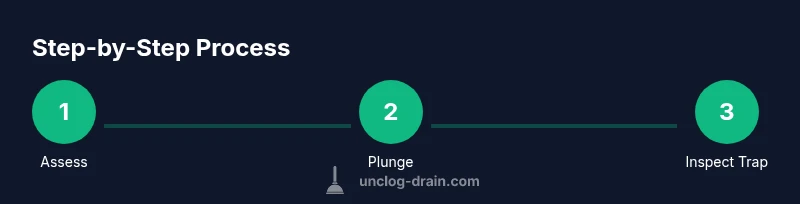
A cup-plunger with a firm seal is essential for a kitchen sink. Fill the sink with a small amount of water to cover the plunger’s bell, ensuring a tight seal around the drain. Plunge with steady, vertical motions for 20–40 seconds, then pause to see if the water drains. Repeat several times, lifting the plunger to break the suction occasionally. If you have a double-basin sink, seal the other basin with a wet rag to prevent air leaks.
Pro tip: If the drain remains stubborn, try a second approach by plunging from the second basin (if present) with a different angle to disrupt the clog.
Hand Auger (Snake) Use: Reaching stubborn blockages
A handheld drain auger or plumber’s snake can reach clogs beyond the trap. Insert the flexible shaft into the drain and rotate the handle clockwise to push through the clog. When you feel resistance, turn and pull back slowly to break it up. Retract the snake gradually while continuing to rotate. Clean the auger head and the trap area after use to prevent recontamination.
Tip: Start at a slow pace to avoid puncturing the pipe lining and feed the snake in gently to minimize damage to the pipe walls.
P-Trap Cleaning: Accessing the clog at the trap
Place a bucket under the P-trap, then disconnect the trap’s junctions with adjustable wrenches. Remove the U-shaped trap and inspect for blockages. Clean out the trap with a brush or cloth, rinse it, and reassemble securely. Re-tighten all fittings to prevent leaks, run water, and watch for drips. If the trap is corroded or missing washers, replace it. This step often resolves clogs that are stuck in the trap itself and can improve drainage dramatically.
Note: Make sure you don’t overtighten fittings, which can crack plastic traps or strip threads. Inspect for any signs of wear and replace damaged components before reassembly.
Choosing Enzymatic vs Chemical Cleaners: What works best for you
Enzymatic cleaners use bacteria or enzymes to digest organic material; they’re gentler on pipes and safer for septic systems but take longer to work. Chemical cleaners can provide quick relief but may damage older pipes or trap seals if misused. If your pipes are PVC or PVC-lined, enzymatic cleaners are a safer first option. If you must use chemical cleaners, follow label directions precisely, avoid mixing products, and rinse thoroughly with water after treatment. Always consider the clog location and the material of your pipes when selecting a solution.
Unclog Drain recommends starting with mechanical methods first and saving chemical cleaners as a last resort unless you’ve confirmed the pipe material is compatible.
Garbage Disposal and Dishwasher Drain: Special considerations
Food waste and grease are common culprits when a kitchen sink shares a drain with a garbage disposal. If the disposal is clogged, reset and run it to dislodge debris, then test the sink drain. Ensure the disposal switch is off before attempting to clear blockages near the appliance. If water backs up into the dishwasher, the issue may lie in the dishwasher drain hose or the trap arm rather than the sink itself. Check hose connections for kinks or clogs, and if necessary, detach and clean the hose in a safe manner.
Regularly run hot water through the disposal after use and avoid grinding fibrous foods, which can wrap around the impeller and create a stubborn clog.
Reassembly, Testing, and Confirming a Clear Drain
After clearing the clog, reassemble any removed components (P-trap, hose connections) securely. Run hot water for several minutes to flush debris and verify the drain is clear by observing a steady flow. Check for leaks at every joint, and tighten if necessary. If water backflow remains or you hear gurgling, there may be a more distant blockage or venting issue that requires professional evaluation. A slow drain after reassembly may indicate the clog is further down the line.
In many cases, a properly reassembled system will maintain clear drainage for weeks or months with minimal maintenance.
Preventive Maintenance and Routine Care: Keeping drains clear long-term
Adopt a few simple habits to prevent future clogs. Use a sink strainer to catch solids, run hot water down the drain after every use, and periodically flush with a baking soda-vinegar mix followed by hot water. Avoid pouring grease, coffee grounds, or large quantities of starch-heavy foods down the drain. Periodic professional inspections can catch issues early, especially in older homes. A quick routine check can extend the life of pipes and reduce emergency calls.
Consistency is key; small maintenance steps add up to fewer clogs and less stress when you’re trying to wash dishes after a long day.
Common Mistakes to Avoid: What trips homeowners up
Avoid mixing drain cleaners with other cleaners, as chemical reactions can release hazardous fumes or damage pipes. Don’t force items down the drain if they don’t pass easily—forcing a blockage deeper can create bigger problems later. Skipping the P-trap removal when necessary can leave clogs intact and lead to recurring backups. Never ignore persistent slow drainage; if home methods fail after a reasonable attempt, it’s safer to pause and seek professional advice rather than risking a bigger leak or sewer backup.
Troubleshooting Beyond the Sink: When to call a pro
If you’ve tried multiple mechanical methods and the drain remains slow or backs up, the problem could be a deeper main line blockage or a venting issue. A professional plumber can use specialized tools to locate the blockage without causing collateral damage. In the meantime, avoid prolonged exposure to chemical cleaners and keep spare parts on hand to address minor leaks. The Unclog Drain team emphasizes knowing your limits and when to escalate the issue to a professional, especially if you notice sewage odors, persistent backups, or water seepage around joints.
Tools & Materials
- Cup plunger with flange(Firm seal, ensure it covers the drain completely)
- Hand crane/Plumber’s snake (3–6 ft)(Flexible shaft; easy to maneuver in tight spaces)
- Bucket or large tray(Catch water and debris under the sink)
- Adjustable wrench or pliers(Loosen and tighten P-trap nuts)
- Screwdrivers (flat and Phillips)(Remove drain cover and trap securely)
- Rags or towels(Keep area clean and dry; protect surfaces)
- Gloves (rubber)(Protect hands from grime and sharp edges)
- Flashlight(Inspect dark areas inside cabinet)
- Dish soap (optional)(Lubricate the drain for easier movement)
- Enzymatic drain cleaner (optional)(Gentler option before chemicals)
- Old towels or mats(Protect floor from spills)
- Replacement P-trap or washers (if needed)(Safer than forcing leaks to seal)
Steps
Estimated time: 60-90 minutes
- 1
Assess safety and prep
Clear the area under the sink, gather tools, and turn off power to any nearby appliances if needed. Place a bucket beneath the pipes to catch water, and wear gloves and eye protection. This step prevents surprise leaks and keeps you safe as you inspect the drain system.
Tip: Always check for signs of corrosion or damaged joints before proceeding. - 2
Remove standing water and debris
Use towels to soak up standing water, then remove visible debris from the drain cover or strainer. Clearing the surface makes it easier to access the blockage with tools and reduces splashback during the next steps.
Tip: Keep a towel handy to prevent slips when handling wet surfaces. - 3
Try plunging the drain
Cover the drain with the cup plunger, apply firm but controlled pressure, and plunge 20–40 seconds. Lift to break suction and repeat several times. Check if water drains freely after these attempts.
Tip: If you have a double sink, seal the other basin with a wet rag to maintain pressure. - 4
Use a hand auger for deeper clogs
Insert the auger into the drain and rotate the handle while pushing slowly. When you feel resistance, twist and pull back to dislodge the blockage. Withdraw gradually and clean the head after use.
Tip: Don’t force the auger; apply steady, gentle pressure to avoid pipe damage. - 5
Inspect and clean the P-trap
Place a bucket under the trap, loosen nuts, and carefully remove the trap. Clear any visible debris, rinse, and reassemble with new washers if needed. Run water to confirm a clean seal and smooth drainage.
Tip: Check for cracks in the trap; replace damaged components promptly. - 6
Consider enzymatic vs chemical cleaners
If the clog persists, choose an enzymatic cleaner for a gentler approach, or a chemical cleaner only as a last resort and strictly per label directions. Rinse thoroughly after use.
Tip: Avoid combining cleaners and never mix household products with cleaners containing bleach or ammonia. - 7
Address garbage disposal and dishwasher drains
Reset and test the disposal, then inspect the dishwasher drain hose for kinks or obstructions. Ensure there’s a proper venting path and no backflow into the sink. Clean hoses if necessary.
Tip: Never put fibrous waste like celery strands or large pasta pieces down the disposal. - 8
Test drainage and clean up
Run hot water through the drain for several minutes, then observe the flow. Listen for gurgling, which could indicate a vent issue or a blockage further down the line. Clean up tools and wipe surfaces.
Tip: Keep testing runs short at first to catch slow drains early.
Common Questions
What are the most common causes of a clogged kitchen sink drain?
Food debris, grease, soap scum, and starch can accumulate in the pipes and trap, leading to slow drainage or backups. Regular maintenance helps prevent these blockages.
Most kitchen clogs are caused by food waste, grease, and soap scum building up in the pipes over time. Regular maintenance helps prevent this.
Can I pour a chemical drain cleaner down a kitchen sink?
Chemical cleaners can be effective for stubborn clogs but may damage older pipes or traps. Always follow the label, avoid mixing products, and consider enzymatic cleaners first when possible.
Chemical cleaners can help, but they can damage pipes. Use them only as directed and consider enzyme cleaners first.
Is a garbage disposal a source of clogs?
Yes, disposals can contribute to clogs if fibrous or starchy materials wrap around the impeller. Run the disposal with plenty of water and avoid grinding hard materials.
Disposals can clog if you feed fibrous or starchy waste. Use water and avoid tough materials.
How often should I clean the P-trap?
Inspect and clean the P-trap whenever you notice slow drainage or after clearing a clog. Regular checks prevent buildup and leaks.
Clean the P-trap when you notice slow drainage. Regular checks help prevent leaks.
When should I call a plumber?
Call a plumber if you have persistent backups after attempting at-home methods, if you smell sewer gas, or if you suspect a main line or venting issue.
Call a plumber if backups persist after DIY steps or if you suspect big issues like main line problems.
Do dishwasher drain issues affect clogging?
A malfunctioning dishwasher drain can contribute to backups. Check the hose for kinks and ensure proper connection to the disposal or tailpiece.
Dishwasher drain problems can back up into the sink; check hoses and connections.
Watch Video
Key Points
- Identify clog causes early to choose the right method.
- Start with mechanical methods before chemicals.
- Inspect and clean the P-trap for most kitchen clogs.
- Garbage disposal and dishwasher drains require special care.
- Prevent future clogs with routine maintenance.