What to Use to Unclog Outside Drain: A DIY Guide
Learn safe, practical methods to unclog outdoor drains using mechanical tools, natural cleaners, and preventive maintenance. This Unclog Drain guide covers tools, step-by-step instructions, safety tips, and when to call a pro.


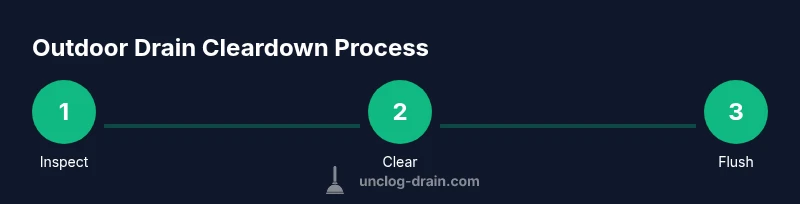
According to Unclog Drain, start with mechanical methods and avoid outdoor chemical cleaners. To unclog an outside drain safely, begin with debris removal and grate access, then use a plunger or hand-crank snake, followed by a gentle hot-water flush. This guide offers a clear step-by-step process, safety tips, and prevention.
Understanding what clogs outdoor drains
Outdoor drains in yards, driveways, and curbside channels clog primarily from organic debris, sediment, and root intrusion. Leaves, pine needles, and dirt wash into the grate and accumulate over time, forming a dense plug that water can no longer carry away. In some climates, tree roots can invade sewer lines near outdoor connections, amplifying the problem. According to Unclog Drain, understanding the entry points and typical clog materials helps you choose the right approach rather than resorting to guesswork. Start by visually inspecting the grate, the trench, and any visible piping to determine whether the blockage is near the opening or deeper in the line. This initial assessment guides safety decisions, tool selection, and how aggressively you should proceed. Note the location of the blockage relative to lawn or garden beds, because soil moisture and plant roots can influence clog dynamics. If the drain has a visible grate, remove loose debris by hand first, and place it in a bucket for disposal. Avoid forcing material back into the system; it can compact the clog and worsen the problem. Keep a flashlight handy to inspect dark corners of the drain opening and confirm that the pathway is clear before applying any tools.
Safety first: prepping for outdoor unclogging
Working on outdoor drains requires attention to safety for you and your family. Wear sturdy gloves and eye protection to shield against sharp debris, splashes, and pests that may inhabit the opening. Check the weather; a wet surface increases slip risk, while freezing temperatures can make pipes brittle. Keep children and pets away from the work zone, and avoid standing water near electrical outlets or garden hoses. If you will use heat or water during the process, ensure any electrical tools are unplugged and that you maintain a safe distance from electrical sources. Use a bucket to catch wastewater and debris, and dispose of organic matter in yard waste or compost according to local rules. If you encounter a strong odor, signs of sewage, or active leak from the connection, stop and call a professional. The goal is to work methodically, not rush, and to minimize environmental impact. By planning for safety first, you protect yourself while improving the odds of a successful unclog without unintended damage to outdoor plumbing.
Planning your approach: mechanical first vs chemical
The most reliable way to clear an outdoor drain starts with mechanical methods rather than chemical cleaners. Outside drains are exposed to weather and soil, so harsh chemicals can degrade surrounding vegetation, seep into groundwater, or corrode metal parts. Start with debris removal and a physical check of the grate, then decide whether a plunger or a hand-crank snake will reach the blockage. If you can see the clog near the opening, a plunger combined with careful water flushing may be enough. For deeper clogs or when the grate is difficult to access, a flexible drain snake offers greater reach. If you feel resistance, pause to reassess your technique rather than forcing the tool. Always use the gentlest method that will move the material. If you must consider a chemical solution, choose a product labeled for outdoor use and follow the manufacturer instructions, but be aware of environmental impact and local regulations. The objective is to remove the obstruction and restore flow with minimal risk to people, pets, and plants.
Mechanical methods: plunger and drain snake
Mechanical tools are the first line of attack for outdoor drains. A wide-plug plunger can dislodge surface clogs near the grate, while a hand-crank or drill-powered snake reaches deeper obstructions. Begin with the plunger at the drain opening, forming a tight seal and delivering several deliberate pushes to loosen the plug. If resistance remains, switch to the snake, feeding it slowly into the opening while rotating to break the blockage. Extract any material on pull-back, and rerun the drain with water to assess progress. If you encounter roots or a jammed section, stop and reassess; aggressive probing can damage pipes. Safety matters: never force tools beyond the depth you can control, and always wear gloves when handling debris. By alternating between plunger and snake, you maximize your chances of clearing the clog without chemicals.
Safe natural flush options to complement mechanical work
In addition to mechanical methods, safe natural flushes can help loosen organic material. Start with plain hot water, pouring in small increments and allowing the water to push debris toward the sewer line. If the clog persists, a home-friendly combination of baking soda followed by hot water can help lift stuck material without harming surrounding soil. Vinegar can be used sparingly as a secondary flush, but avoid mixing vinegar with chlorine-based cleaners or other chemicals. Always test a small amount first to observe any adverse reaction and never apply heat or pressure to a sealed system. After each flush, run water through the drain to observe flow and confirm that debris is moving away from the opening. Remember, organic materials are more forgiving to natural methods when exposed to consistent, gentle agitation rather than brute force.
When DIY isn't enough: signs to call a pro
There are clear indicators that outdoor clogs require professional help. If water backs up behind the clog from multiple outlets or if you detect foul odors that persist after repeated attempts, a professional assessment is warranted. Structural issues, such as broken pipes, collapsed sections, or significant root intrusion, require specialized equipment and expertise. Do not attempt to force the drain with extreme pressure or chemical products that could damage the pipe or pollute groundwater. A licensed plumber can perform a camera inspection to locate the exact blockage, identify structural problems, and provide targeted solutions that minimize disruption to your landscape. The aim is to resolve the problem safely and effectively, not to take unnecessary risks that could lead to costly repairs.
Testing and confirming drainage after clearing
After you clear the blockage, verify that water flows freely away from the home and yard. Run a steady stream of water into the drain opening and observe the drainage path. Check for any standing water near the grate or along the trench; if water remains pooled, recheck the interior path with a snake, and reflush as needed. Inspect the surrounding soil for signs of waterlogging, which could indicate a new blockage or poor drainage slope. If testing shows consistent flow, replace the grate securely and conduct one final pass with a quick rinse to ensure nothing re-accumulates. Regular visual checks after rain help you catch developing clogs before they fully form.
Preventive maintenance to reduce future clogs
Prevention is easier than repeated unclogging. Create a simple maintenance schedule that includes clearing the grate every few months, trimming nearby tree roots where feasible, and keeping the surrounding area free of leaves and yard debris. Consider installing a leaf guard or grate cover to reduce initial entry of debris. If you notice seasonal changes in drainage, inspect the trench and piping for ground movement or settlement that could affect flow. Finally, document your maintenance steps and keep tools ready for quick action after storms or heavy rainfall. Consistent care minimizes buildup and extends the life of outdoor drainage systems.
Special considerations for different outdoor drain types
Outdoor drains vary in design and purpose, from yard catch basins to curbside storm drains and downspout conduits. Yard drains often handle organic debris and sediment; curb drains may face vehicle runoff and soil compaction; downspouts can overwhelm small lines during heavy rain. Each type benefits from tailored attention: keep grates clear for yard drains, ensure downspout extensions direct water away from foundations, and inspect curb drains for sediment accumulation near the inlet. If your system includes an underground line connected to a septic or municipal sewer, additional care is required to avoid cross-contamination. When in doubt, treat outdoor drains with the caution you would for any main water path and consult a professional if clogs recur.
Tools & Materials
- Rubber gloves(Protects hands from debris and chemicals)
- Safety glasses or goggles(Eye protection against splashes and debris)
- Drain grate removal tool or screwdriver(To lift grate or cover for access)
- Wide-plug plunger(Better seal on outdoor openings)
- Hand-crank drain snake / auger(Flexible reach for deeper clogs)
- Bucket(Catch debris and wastewater)
- Flashlight or headlamp(Good lighting to inspect dark areas)
- Garden hose with spray nozzle(Flushing aid when accessible)
- Enzymatic outdoor drain cleaner (optional)(Use only outdoor-rated products and follow label)
Steps
Estimated time: 60-90 minutes
- 1
Wear safety gear and prep the area
Put on gloves and eye protection; inspect the area for hazards like exposed electrical outlets or uneven ground. Clear pets and children from the zone and have a bucket ready for waste. If weather is poor, wait for dry conditions to reduce slip risk.
Tip: Check for electrical hazards before starting; never work near live outlets. - 2
Remove the grate or cover
Use the grate removal tool to lift the cover and expose the opening. Set the grate aside in a safe spot to prevent misplacement. Visually inspect for obvious blockages within the opening.
Tip: Take photos of the grate position before removal to ensure correct reinstallation. - 3
Clear visible debris around the opening
Pick out leaves, twigs, and dirt by hand and drop them into a bucket. This reduces the initial mass the snake or plunger must push through. Avoid pushing debris further into the drain.
Tip: Dispose of organic material according to local yard waste guidelines. - 4
Flush with hot water or a natural flush
Pour hot water in intervals, allowing it to move debris toward the outlet. If using a baking soda and hot water combo, add baking soda first then flush with hot water. Do not use boiling water if you’re unsure of pipe materials.
Tip: Test a small amount first to ensure the pipe material won’t warp or crack. - 5
Insert and operate the drain snake
Feed the snake into the opening slowly while turning the handle to break up the blockage. Pull back any material that adheres to the snake and reinsert if needed. Don’t force the tool; resistance may indicate a deeper issue.
Tip: Work in short pushes and maintain a steady, moderate rotation for best results. - 6
Use the plunger for stubborn spots
Seal the opening with the plunger and push and pull with steady pressure to help loosen the blockage. If the clog dislodges, immediately flush with water to verify flow. Repeat as needed.
Tip: Ensure a good seal; a poor seal reduces effectiveness. - 7
Flush again and confirm flow
Run a continuous stream of water to check that the flow is clear and moving away from the drain. Look for pooling near the grate; if present, re-evaluate the blockage with the snake.
Tip: Observe the drainage path as you test; a lingering dip in flow may mean a partial obstruction still exists. - 8
Reinstall grate and perform final checks
Secure the grate back in place and run water to confirm there are no leaks around the opening. Inspect the surrounding area for any washed-out soil or erosion that could affect drainage.
Tip: Replace cover completely to prevent pests from entering. - 9
Prevent future clogs with simple steps
Trim nearby debris, install a grate screen if missing, and schedule periodic inspections after heavy rain. Maintaining a clean inlet dramatically reduces recurring blockages.
Tip: Establish a quarterly check routine to catch buildup early.
Common Questions
What is the safest method to unclog an outside drain?
Start with manual debris removal and mechanical tools like a plunger or snake. Avoid harsh chemical cleaners outdoors to protect plants and the environment.
Start with debris removal and a plunger or snake. Avoid outdoor chemical cleaners.
Can I use chemical cleaners in outdoor drains?
Outdoors, chemicals can harm vegetation and groundwater. Use mechanical methods first and only opt for outdoor-safe products if necessary and as directed by the label.
Chemicals can harm plants and groundwater; use them only if clearly labeled for outdoor use.
How can I tell if the clog is in the main sewer line?
If water backs up in multiple fixtures or shows up in areas not connected to the clogged drain, the issue might be in the main line. A professional assessment is advised.
Backups in several fixtures suggest a main line issue; call a pro.
What tools do I need for outdoor drain unclogging?
You’ll typically need gloves, a grate removal tool, a wide-plug plunger, a hand-crank drain snake, a bucket, and a flashlight. Optional tools include an enzymatic cleaner and a hose for flushing.
Gloves, grate tool, plunger, drain snake, bucket, flashlight, plus optional cleaners and a hose.
Is it safe to use boiling water for outdoor drains?
Boiling water can damage some pipe materials. If you’re unsure of the pipe type, use hot—not boiling—water and test compatibility first.
Boiling water can crack certain pipes, so use hot water and test first.
Should I hire a plumber for an outdoor drain?
If you repeatedly encounter clogs, notice persistent backups, or cannot access the blockage safely, a licensed plumber is the safest path to a lasting fix.
If clogs keep returning or you can't access the blockage safely, consider a professional.
Watch Video
Key Points
- Assess the clog and access points before acting
- Prioritize mechanical methods first
- Wear PPE and follow safety precautions
- Test drainage after each step
- Practice preventive maintenance to reduce future clogs