Unclog Zinc Drains: Safe DIY Guide for Homeowners
Learn safe, practical methods to unclog zinc-containing drains without damaging zinc fittings. This step-by-step guide covers mechanical techniques, gentle cleaners, and prevention tips to keep zinc plumbing flowing smoothly.


You will learn safe, step-by-step methods to unclog zinc-containing drains without damaging zinc surfaces or coatings. Prepare basic tools, avoid harsh chemicals, and follow safety guidelines from Unclog Drain and trusted sources. By the end, you’ll know how to tackle common zinc drain clogs using proven, metal-friendly techniques. These steps prioritize safety and long-term reliability.
Understanding zinc in plumbing
Zinc is used in plumbing hardware and finishes for its corrosion resistance, galvanization, and as a protective coating on fittings. When zinc is exposed to moisture, mineral-rich water, or aggressive cleaners, it can corrode and shed fine particles that contribute to slow drains. For homeowners, the goal when you 'unclog zinc' is to clear the path without damaging the zinc layer or nearby copper and steel components.
The Unclog Drain team notes that zinc behaves differently than other metals under chemical attack. Harsh acids or bleach-based cleaners can wear away zinc coatings or accelerate pitting, leading to future clogs or leaks. That makes non-chemical, mechanical methods a safer first line of defense. Even when you suspect mineral buildup, gentler approaches often restore flow without compromising the metal.
This guide lays the groundwork for practical, safe techniques. You’ll practice control and patience rather than brute force. Prepare your tools, protect your eyes and hands, and work gradually. If you’re unsure about the metal type in your pipes, pause and consult a professional. The aim is to unclog zinc while preserving longevity and reducing damage to downstream components.
Common causes of zinc drain clogs
Zinc pipes and fittings can accumulate different types of obstructions. Hair, soap scum, and mineral deposits (limescale) combine with zinc's tendency to develop micro-scratches, creating a rough surface that catches debris. In kitchens, grease and food waste can dry into a crust that adheres to zinc-coated traps. In bathrooms, mineral-rich water from hard water sources can leave white or pale crust along the interior walls, gradually narrowing the lumen. External factors like aging galvanized zinc pipes may shed rust-colored particles that contribute to clogging when trapped by P-traps. Understanding these causes helps you select the correct method: mechanical methods for physical blockage, and careful flushing for mineral build-up. The goal is to move material away from the outlet without scouring away protective zinc layers.
Noticeable signs of a clogged zinc drain include slow draining, gurgling sounds, and occasional odors. If you see staining around fittings, that can indicate zinc corrosion or oxidation. In such cases, address corrosion first and then treat the clog to avoid trapping moisture that accelerates decay. The Unclog Drain approach emphasizes testing, assessing, and applying the safest technique first.
Safe methods to unclog zinc drains
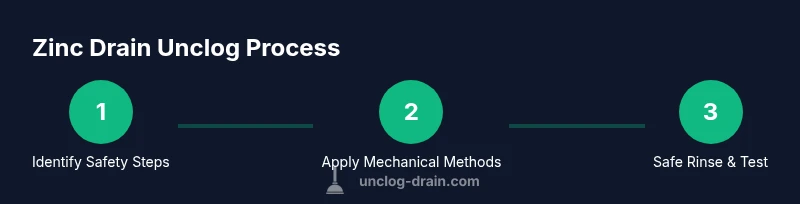
Starting with non-chemical methods keeps zinc safer. First, try a plunger designed for sinks or utility drains. Create a tight seal and push with steady, controlled pressure to dislodge the clog without splashing. If a plunger doesn’t clear the drain, move to a hand auger (drain snake) and insert it a few inches at a time, twisting as you feed. The goal is to mechanically break or pull the blockage without scouring the pipe interior. For many household clogs, this alone restores flow.
Next, consider a gentle flush with hot water after mechanical methods. If the water supply allows, flush in stages to avoid thermal shock to metal joints. A baking soda and hot water treatment can help dissolve organic debris, followed by a rinse with plain hot water. Vinegar can be used as a mild cleaner, but avoid mixing it with bleach and limit use to once or twice a month to minimize zinc exposure. Enzymatic cleaners are another option; they work slowly by digesting organic residue and are gentler on zinc than harsher acid-based cleaners. The Unclog Drain recommendations favor these techniques as first-line solutions before resorting to stronger chemicals, especially when zinc components are involved.
If the clog persists, you can carefully inspect the P-trap for mineral buildup and clean it with a bottle brush. Reassemble and run water to verify flow. Throughout, monitor for any signs of coating wear or corrosion on zinc fittings and stop if you notice new damage. These methods minimize risk while restoring function.
What to avoid when unclogging zinc
Don’t reach for caustic drain cleaners or acid products on zinc. Hydrochloric, sulfuric, or other strong acids can quickly pit zinc and damage coatings, leading to leaks and ongoing corrosion. Never mix household cleaners like bleach with ammonia or other acids; the chemical reactions can release harmful fumes and damage metal fittings. Avoid metal tools that could scratch zinc surfaces; replace or wrap metal edges with duct tape if you must handle fittings. Persistent clogs that resist safe, mechanical methods should prompt a professional inspection, especially if you suspect pipe corrosion or a compromised zinc layer. Protect yourself with gloves and goggles whenever you work on drains, as splashes can occur and irritate skin or eyes. These cautions reduce injury risk and future repairs.
For stubborn issues, consider several days of gradual clearing rather than forcing a dramatic flush. This reduces the chance of dislodging debris into vulnerable joints.
Maintenance and prevention for zinc drains
After you unclog zinc, preventive steps help maintain drainage flow. Use a drain strainer to catch hair, food particles, and small debris. Run hot water for 15-30 seconds after each use in sinks with zinc components to clear minor residues. Consider enzymatic cleaners on a monthly basis to maintain clear pipes without damaging zinc coatings. If you have hard water, regularly flush with a small amount of white vinegar or a calcium-reducing cleaner, but always rinse with fresh water afterward. Finally, inspect exposed zinc fittings for signs of corrosion or wear, replacing components as needed to prevent future clogs. The aim is long-term reliability, not quick fixes.
For zinc-rich systems, routine maintenance is your best defense against future clogs. Keep a regular schedule, note signs of wear, and address issues early to prevent expensive repairs later.
Authority Sources
- OSHA: Chemical safety and PPE guidelines for home plumbing work (https://www.osha.gov)
- University Extension resources on household drain care and maintenance (https://extension.umn.edu)
- EPA guidance on safe household cleaning practices and metal-safe cleaners (https://www.epa.gov)
Tools & Materials
- Plunger (cup or flange type)(Ensure a good seal for sinks; choose one sized for your drain opening.)
- Handheld drain snake/auger(12-18 inch flexible snake; have extra cartridges if available.)
- Bucket(Catch water and debris during trap inspection.)
- Gloves(Rubber or latex; protects hands from dirty water.)
- Safety goggles(Protect eyes from splashes.)
- Old towels or rags(Wipe spills and protect surfaces.)
- Baking soda(Use with hot water for mild chemical-free cleaning.)
- White vinegar(Mild cleaner for mineral buildup; do not mix with bleach.)
- Adjustable wrench(Optional for removing fittings or traps.)
- Pliers(For handling clamps or grips if needed.)
Steps
Estimated time: 45-70 minutes
- 1
Shut off water and prep the area
Turn off the sink or shower water supply to prevent unexpected overflow. Clear a working space, lay towels, and place a bucket to catch water. Confirm you have plunger and snake ready before you begin.
Tip: Wear safety gear from the start to avoid splashes or splatters. - 2
Inspect and remove the P-trap
Place a bucket beneath the P-trap, loosen the nuts, and carefully remove the trap. Clean debris from the trap screen and inner surfaces with a brush. Reassemble loosely to test the flow before final tightening.
Tip: Inspect for wear or corrosion on the trap; replace if damaged. - 3
Plunge the drain
Position the plunger so it fully covers the drain opening. Push firmly, then pull back sharply to create suction that dislodges the clog. Repeat 10-15 cycles, keeping pressure consistent.
Tip: Avoid twisting the plunger; straight up-and-down motion works best. - 4
Feed the drain snake into the trap area
Insert the snake into the drain, twisting gently as you push to break up the clog. When you feel resistance, rotate and pull back to snag debris. Retract gradually and clean the snake as you go.
Tip: Take small, controlled turns to prevent kinking the line. - 5
Consider a baking soda/vinegar treatment
Pour 1/2 cup baking soda into the drain, followed by a cup of hot water. After 15 minutes, flush with hot water to help dissolve buildup. Do not mix vinegar and bleach; this creates hazardous fumes.
Tip: Use only a small, controlled amount to minimize risk to zinc coatings. - 6
Flush and test the drain
Run hot water for several minutes to clear loosened debris. Check the drain’s flow by running water and observing drainage speed. If slow drainage persists, repeat the snake step or move to trap inspection.
Tip: A steady, warm water flush helps wash away residue without shocking metal components. - 7
Reassemble traps and test again
Secure the P-trap tightly, ensuring no leaks. Run water again to verify complete drainage. If leaks appear, reseal connections and retest. Keep an eye on the area over the next 24 hours for any signs of corrosion.
Tip: Don’t overtighten; snug plus a slight bite is enough. - 8
Evaluate need for professional help
If the clog recurs or you notice severe corrosion, consider calling a plumber. Zinc-related issues may require tracing to the main line or replacing metal parts to prevent future failures.
Tip: Early professional input can save time and prevent costly damage.
Common Questions
Is it safe to use baking soda and vinegar to unclog zinc drains?
Baking soda and vinegar can help with minor organic buildup when used cautiously. Do not mix with bleach and use sparingly to avoid stressing zinc coatings. If the clog persists, avoid repeated chemical attempts and switch to mechanical methods.
Yes, baking soda and vinegar can help with light buildup, but avoid mixing with bleach and don’t rely on it for heavy clogs.
Can I use chemical drain cleaners on zinc pipes?
Most harsh chemical cleaners are not recommended for zinc because they can corrode coatings. If you must use chemical cleaners, opt for enzymatic products and follow manufacturer directions closely. For stubborn clogs, call a professional.
Harsh chemical cleaners are usually not recommended for zinc; enzymes are a safer alternative but persistent clogs may require a pro.
Should I remove the P-trap first?
Removing the P-trap is a common first step for accessible drains. It helps you physically clear debris and inspect for damage. Reassemble carefully to avoid leaks.
Often, yes—the P-trap gives you a direct view of the clog and a chance to clean it.
How long should I let baking soda and vinegar work before flushing?
Let the baking soda and vinegar sit for about 15 minutes before flushing with hot water. This gives time for reactions to soften organic buildup without harming zinc.
About 15 minutes is usually enough for a mild reaction to help dissolve residues.
When should I call a plumber for a zinc drain issue?
If you notice persistent clogs after multiple attempts, signs of corrosion, or leaks around zinc fittings, call a professional. Zinc systems may require specialized tools or replacements to prevent future damage.
Call a plumber if the clog keeps returning or you see corrosion around zinc fittings.
Key Points
- Unclog zinc safely by prioritizing mechanical methods first.
- Avoid caustic cleaners that can pit or corrode zinc surfaces.
- Use enzymes, baking soda, and hot water as gentle options.
- Regular maintenance reduces the likelihood of stubborn clogs.