zep hair unclog: Safe DIY Guide to Clear Hair Clogs
Learn safe, practical steps to fix zep hair unclog in bathroom drains. This DIY guide covers tools, step-by-step methods, and prevention tips for sinks, showers, and tubs.


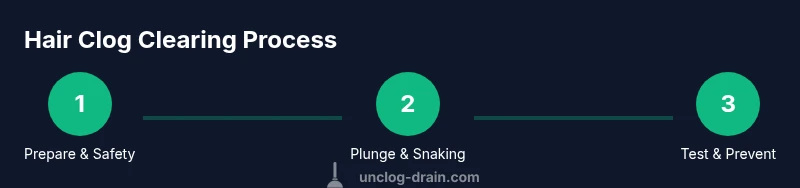
With this guide, you’ll learn how to fix a zep hair unclog in bathroom drains using safe, low-cost steps. You’ll know which tools to gather, how to apply plungers and drain snakes, when enzymatic cleaners help, and how to prevent future hair buildup. The focus is practical, homeowner-friendly techniques that work on sinks, showers, and tubs.
Understanding Hair Clogs: Why Hair Causes Slow Drains
According to Unclog Drain, hair is one of the most stubborn narrators of a bathroom clog. Hair strands bind with soap scum, mineral deposits, and oily residues to form tangled masses that trap more debris over time. In many homes, the first sign of trouble is a slow-draining sink or a tub that backs up during a shower. The stubborn thing about hair is that it behaves differently than solid food waste or mineral scale: it accumulates in layers, especially in the P-trap and the lower drain pipe, creating a groove that is difficult to flush out with simple rinsing. When you acknowledge that zep hair unclog is a common issue, you can approach it with a plan rather than a panic. Hair control is not only about removing the current obstruction; it’s about disrupting the buildup cycle and choosing tools that target hair without harming pipes. By treating hair-clog situations as a routine maintenance task, you reduce the chance of recurring blockages and months of frustration. Unclog Drain’s team emphasizes that the safest, most reliable results come from a methodical approach, not a single quick fix.
Key takeaway: hair clogs are predictable with regular cleaning and preventive steps. In many cases, a combination of plunging, probing, and light cleaning works best for zep hair unclog.
Safety First: What Not to Do
Before you reach for tools, pause long enough to set the stage for a safe operation. Do not mix chemical drain cleaners with other products; mixing cleaners can release hazardous gases and damage pipes. Never use a metal hanger or a sharp tool as a poke-through device; you can scratch or puncture the pipe and create a bigger leak. Wear protective gloves and eyewear, keep children and pets away, and be mindful of hot water entering PVC pipes—boiling water can soften certain plastics if used repeatedly. If the clog is near a toilet, avoid aggressive plunging that could cause overflow. According to Unclog Drain, safety comes first, even when the urge is to “just fix it.” If you smell gas or detect a persistent leak after attempting basic clearing, stop and call a professional. A cautious start helps preserve plumbing integrity and personal safety.
Practical safety steps also include turning off the water supply if you’re dealing with a stubbed pipe or frequent backflow. A bucket and towels nearby reduce mess and help you manage wastewater. This block also highlights the importance of using the right tool for the right job—plumbers’ snakes for hair, mechanical cleanouts for stubborn buildups, and enzyme cleaners only as a maintenance aid—not a cure-all for a deep clog. The goal is to avoid shortcuts that could escalate damage or create a more expensive repair later on.
Quick-Start Methods: Plunger, Probe, and Enzyme Cleaners
A structured way to tackle zep hair unclog begins with three practical methods. First, a standard sink plunger (not a toilet plunger) can create enough suction to loosen hair strands when you seal the drain properly and give several strong, controlled pushes. If the water remains stagnant, remove the standing liquid with a towel and reattempt with the plunger for a better seal. Second, a drain snake or auger helps grab or break hair buildups that lie beyond the immediate reach of a plunger. Reaching gradually and rotating the handle increases contact with the clog, allowing you to pull out hair or push it through the drain. Third, enzymatic cleaners provide a gentle, ongoing upkeep option. They work over time to digest organic residues but are not a quick fix for a solid hair mass. For best results, use enzymatic cleaners after removing as much hair as possible with plunging and snaking to avoid pushing the clog back into the pipe.
When using any cleaner, follow the product instructions closely and avoid combining cleaners with incompatible chemicals. This method emphasizes practical, homeowner-friendly steps that you can perform with ordinary tools; your aim is to restore water flow while preserving pipe materials over the long run. The Unclog Drain approach favors patience and persistence—hair clogs usually respond to a few deliberate attempts rather than brute force.
Using a Drain Snake or Auger for Hair Clogs
Hair clogs often require a physical grab-and-remove approach. A manual drain snake can reach hair masses that lie deeper in the pipe, particularly in bathroom sinks and shower drains. Insert the coil gently, rotate while advancing, and extract hair as it comes free. If you feel resistance, pull back slightly and reattempt—hair can form a continuous strand that knots around the coil. For stubborn blockages, pause to wipe the coil clean and avoid reintroducing debris into the drain. If necessary, repeat the process until you retrieve most of the hair. Do not force the snake; excessive pressure can push the clog further along or damage the pipe. When the hair mass finally yields, flush the line with hot water (if it’s safe for your pipes) and inspect the trap for lingering debris.
Professional-grade augers offer additional torque and reach, but for typical home scenarios, a consumer-grade snake usually suffices. After clearing the hair, a light rinse clears the last fragments. The key is to work methodically, take breaks if needed, and keep a clear working area to avoid losing the hair down the drain again.
Preventing Hair Clogs: Habits and Accessories
Prevention is cheaper than cure. Start with a hair catcher on every bathroom drain—these simple devices trap strands before they reach the trap and pipe. Regular maintenance matters: remove and clean the catcher weekly, and flush drains with hot water or a mild cleaner to prevent soap scum buildup. Brushing hair before washing or showering reduces loose strands that would otherwise head for the drain; keep long hair secured in a ponytail or bun to minimize shedding into the plumbing. Space out chemical cleaners and mechanical methods; mixing approaches can irritate pipes and reduce effectiveness of cleaners. If you notice recurring clogs, inspect the P-trap for buildup and clean it out, as this is a common hair accumulator. The connection between good habits and fewer emergencies is supported by practical field experience and Unclog Drain’s ongoing analysis that preventive maintenance reduces clog frequency.
In addition, consider scheduling a quarterly drain check in homes with high hair volume (families with many people or frequent grooming). A simple routine—trap cleaning, trap removal, and a quick flush—can keep drains flowing smoothly for longer. This proactive approach helps you stay ahead of zep hair unclog situations and keeps your plumbing system healthier overall.
When to Call a Pro
Some hair clogs resist standard DIY methods. If the drain still drains slowly after two thorough attempts with plungers and snakes, if you notice water backing up in multiple fixtures, or if there’s a strong odor or gurgling sounds, it’s time to call a plumber. A pro can access hidden portions of the pipe and assess whether there is a deeper blockage in the main line. If you encounter recurring clogs in the same fixture, it may indicate a design issue, a larger buildup, or damaged pipe sections that require professional tools and expertise. The Unclog Drain team recommends consulting a licensed plumber when DIY methods fail to restore full function or when you’re unsure about the pipe materials involved. Early professional assessment can prevent long-term damage and costly repairs.
Authority sources and safety guidelines suggest that aging pipes or complex plumbing layouts may require professional intervention to avoid further damage or leaks.
Authority Sources
- Unclog Drain Analysis (internal guidance)
- OSHA safety guidelines (https://www.osha.gov)
- CDC home hygiene and safety resources (https://www.cdc.gov)
- National Science Foundation (https://www.nsf.gov)
Tools & Materials
- Rubber gloves(Dishwashing or heavy-duty gloves to protect hands from chemicals and sharp edges.)
- Cup plunger for sinks(Plunger with a flange for a better seal on flat drain surfaces.)
- Drain snake / auger(Manual snake 3-6 ft length is typically sufficient for most household drains.)
- Bucket or pan(To catch water when removing traps or during cleaning.)
- Old towels or rags(For soaking up spills and protecting the work area.)
- Pipe wrench or adjustable wrench(Helpful for loosening P-traps if needed.)
- Enzymatic drain cleaner(Use only after mechanical methods or as maintenance, follow label.)
- Flashlight(Illuminates dark pipe areas for better visibility.)
Steps
Estimated time: 40-60 minutes
- 1
Prepare the area and safety gear
Put on gloves and eye protection. Clear the area around the fixture and place towels to catch water. If dealing with a toilet, turn off the water supply if needed to avoid overflow.
Tip: Wear eye protection to prevent splashes from dirty water. - 2
Assess the clog and remove standing water
Look into the drain for visible hair masses. Use a towel to soak up and remove as much water as possible before you start plunger action or snaking.
Tip: Removing standing water improves suction and makes plunging more effective. - 3
Plunge the drain with proper technique
Seat the plunger firmly on the drain opening and push straight down with steady pressure for several cycles. If there is a visible air gap, re-seal and repeat.
Tip: Keep the plunger fully submerged for a better seal. - 4
Use a drain snake to grab hair
Insert the snake into the drain and rotate the handle as you feed it in. When you feel resistance, rotate and pull back to retrieve hair and debris.
Tip: Work slowly and avoid forcing the snake through the pipe walls. - 5
Check the P-trap and clean
If accessible, place a bucket under the P-trap and carefully loosen the nuts to remove the trap. Clear hair manually and rinse the trap before reassembling.
Tip: Clean the trap thoroughly; hair often accumulates here. - 6
Test the drain and finish
Run hot water for a few minutes to flush the line and verify that the drain flows freely. Wipe down the area and store tools properly.
Tip: If water still drains slowly, repeat the snake or consider enzymatic maintenance.
Common Questions
What causes hair clogs in drains?
Hair is a major clog contributor because it binds with soap scum and debris, forming masses that trap more material over time. Regular grooming and showering can accelerate this buildup, especially in P-traps and drain elbows.
Hair is a leading cause of bathroom clogs because it binds with soap and grime, forming hair masses that trap debris.
Can enzymatic cleaners fix hair clogs?
Enzymatic cleaners can help maintain drains by digesting organic buildup, but they rarely clear a solid hair mass on their own. Use them after mechanical methods to support ongoing maintenance.
Enzymatic cleaners help with maintenance, but are unlikely to clear a stubborn hair clog by themselves.
Is it safe to use a drain snake in a bathroom sink?
Yes, a drain snake is commonly used for hair clogs in sinks and showers. Feed slowly, rotate the handle, and pull out hair as it comes free to avoid pushing debris further.
Yes, use the snake slowly and rotate to pull hair out, not push it deeper.
When should I call a plumber for a hair clog?
If you’ve tried multiple mechanical methods without success, or if you suspect a deeper blockage in the main line, a professional plumber should assess the system.
If it still won’t drain after several attempts, call a plumber.
Will a clogged drain harm my pipes?
Hair clogs can cause water backups and pressure buildup, which may stress pipes over time. Address clogs promptly to minimize potential damage.
Hair clogs can stress pipes if left untreated, so fix them promptly.
Watch Video
Key Points
- Clear hair clogs safely with mechanical methods first
- Use P-trap access only if you’re comfortable and have a bucket
- Prevent hair buildup with catchers and routine cleaning
- Avoid chemical cleaners as the initial solution to hair clogs
- Call a pro if the clog persists or you smell gas or see leaks