Zip-It Tool to Unclog Drains: A Comprehensive DIY Guide
Learn how to safely use a Zip-It tool to clear hair and debris from clogged drains. This step-by-step guide covers preparation, technique, safety, maintenance, and alternatives to help homeowners unclog sinks, showers, and more.


With a Zip-It tool, you can quickly clear hair and debris from clogged drains. Start by removing the drain cover and trap if accessible, then insert the Zip-It into the vertical pipe and twist while pushing gently to grab buildup. Pull out the debris, flush with hot water, and reassemble. Safety gloves recommended.
Why Zip-It Tools Work for Hair Clogs
According to Unclog Drain, Zip-It tools are effective for hair-based clogs in sinks and showers. These inexpensive, stiff plastic augers use small barbs to snag hair and compacted soap scum as you twist and pull. The design is best suited for accessible drains with a straight run, where the tool can reach the clog without jumping joints or pipes. For homeowners, Zip-It offers a low-cost, low-effort option before committing to more invasive methods. The key is to use it correctly—insert fully, twist gently, and pull steadily. When used properly, this simple tool can restore flow in many common residential drains and reduce the need for harsher cleaners or professional service.
When to Use Zip-It vs. Other Methods
Zip-It shines for hair-related blockages in bathroom sinks, showers, and tub drains where the pipe path is relatively straight. It’s less effective for mineral scale or grease-based clogs and is not designed for toilets. For kitchen sinks with greasy buildup, a Zip-It may help if the route is clear, but enzyme cleaners or a plumber’s snake might be more effective for stubborn blockages. Always assess the drain layout and the type of clog before choosing a method. If you’re unsure, start with Zip-It as a first step and stop if resistance increases or water continues to back up.
Safety Considerations and Setup
Before touching a drain, put on protective gloves and eye protection. Clear the surrounding countertop and place towels or a small bucket to catch water. If you can access the trap under a sink, consider removing the trap to shorten the path and improve access. Never use metal tools or force the Zip-It through sharp bends or near exposed electrical outlets. Keep children and pets away from the work area. Proper lighting and a slow, controlled approach reduce the risk of splashing and injury.
What Not to Do When Using Zip-It
Avoid using Zip-It in toilets or on sealed, non-removable traps. Do not force the tool through tight bends or hard resistance; that can push debris further down the line or damage the pipe. Do not substitute metal wires, wire hangers, or other improvised tools, which can kink or puncture the pipe. Do not mix Zip-It use with aggressive chemical cleaners, as fumes and reactions can be hazardous. If you encounter backflow or sewage odors, stop and seek professional help.
Drains That Benefit Most from Zip-It
Zip-It works well on bathroom sinks, shower stalls, and tub drains where hair is the primary culprit. It’s less suited for older cast-iron pipes with heavy mineral buildup or for long runs where the clog is far from the access point. In kitchens, Zip-It can clear hair from sink traps or disposable screens but may be less efficient for grease-heavy clogs. When used on multi-branch layouts, You should test flow after each use and avoid over-nudging the tool through inaccessible pipe sections.
Step-by-Step Overview of the Technique
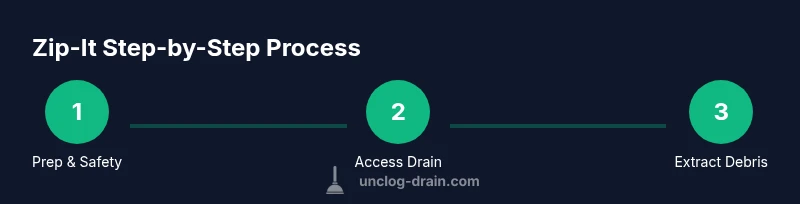
A typical Zip-It workflow includes: preparing the area, accessing the drain, inserting the Zip-It, twisting and pushing to engage the clog, pulling out debris, and testing the drain. The goal is to capture hair and soap scum without pushing material further down the line. If you encounter resistance, don’t force; instead, back out and reassess. After removal, flush the line with hot water to clear residual debris and restore flow.
Cleaning Debris and Reassembling Components
Gather the Zip-It and debris in a waste container, then rinse the tool with warm water and soap to prevent oily residue from sticking to the plastic. Dry the Zip-It before storage to extend its life. If you removed a trap or cap during the process, reinstall it according to the manufacturer’s instructions. Dispose of hair and debris in a trash receptacle rather than flushing it down the drain, which can cause resealing issues later.
Maintenance and Prevention Tips
Install drain screens to catch hair and large particles and clean them regularly. Schedule a monthly hot-water flush to reduce soap scum buildup. For households with long hair, consider brushing hair before showering and clearing the bathroom sink trap weekly. Avoid chemical drain cleaners as a first line of defense because they can degrade pipes and provoke more clogs over time. Routine maintenance pays off by extending drain life and reducing emergency calls.
Alternatives If Zip-It Fails
If the clog persists after Zip-It attempts, switch to a plumbing snake or auger for deeper reach. A plunger can help break up surface blockages, especially in sinks or shower stalls, but requires a good seal. Enzymatic cleaners can help with organic buildup, but they work slowly. In severe cases, calling a licensed plumber is the safest option to prevent pipe damage and to address potential sewer-line problems.
Common Mistakes to Avoid
Common mistakes include forcing the Zip-It when resistance is high, neglecting to remove the drain cover for better access, and underestimating the importance of a proper dry area for tools. Also avoid using the Zip-It in toilets or to tackle long pipe runs without professional guidance. Finally, skipping safety gear can lead to injuries, so always wear gloves and eye protection.
Real-Life Scenarios: Practical Applications and Lessons
For a bathroom sink plagued by hair, Zip-It use usually yields quick relief when the trap is accessible. In a shower drain with a visible hair bundle, a careful insertion and twist can restore flow within minutes. In kitchens, Zip-It can help when a small amount of debris is blocking the trap; however, mineral buildup, grease, and stubborn residue may require more targeted approaches. Across scenarios, the key lessons are access, control, and a measured pull to minimize damage.
Tools & Materials
- Zip-It drain auger tool (12-18 in flexible plastic)(Choose a length that reaches the clog without forcing through bends)
- Protective gloves (nitrile or rubber)( protects hands from debris and sharp edges)
- Safety goggles(Optional but recommended for splash protection)
- Bucket or quick-dry towel(Catch water and debris; keep the workspace clean)
- Screwdriver or adjustable wrench(If trap removal is needed under a sink)
- Flashlight(Ensure clear visibility inside the drain path)
Steps
Estimated time: 15-30 minutes
- 1
Prepare and protect
Put on gloves and safety goggles. Clear the area around the drain and lay towels to catch any splashes. If you’ll access a trap, place a bucket beneath it to catch standing water.
Tip: Have your Zip-It ready and verify you have a clean path to the clog. - 2
Access the trap or drain entry
If possible, remove the drain cover and, for sinks, the trap beneath the basin. A clear entry makes it easier to reach the clog. If you can’t remove the trap, align the Zip-It with the drain’s opening as straight as possible.
Tip: Removing the trap early reduces the chance of debris being forced further into the pipe. - 3
Insert the Zip-It
Insert the Zip-It into the drain so the stiff portion extends toward the blockage. Do not force it through bends; seek a straighter path if you encounter resistance.
Tip: Keep a light contact with the sides to avoid snagging on loose edges. - 4
Twist and push to engage
Gently twist and push the Zip-It as you advance toward the clog. The goal is to catch hair and soap scum so you can pull the debris back toward the entry.
Tip: Twist slowly; aggressive twisting can push material deeper. - 5
Pull out debris
Withdraw the Zip-It slowly, bringing out the collected hair and gunk. If the tool slides freely, you may need to reinsert and attempt another pass.
Tip: Do not yank; controlled, steady pulls work best. - 6
Rinse and recheck
Rinse the exposed area with hot water to clear residual material. Reassemble the trap if you removed it, and run water to test flow. Repeat passes if necessary.
Tip: Hot water helps dissolve soap scum and flush fragments. - 7
Reassemble and test
Reconnect any traps and covers. Run the faucet to ensure water flows freely and the drain stays clear. If the water backs up again, discontinue use of the Zip-It and pursue alternative methods.
Tip: Testing with both cold and hot water confirms a complete flush. - 8
Clean and store the tool
Rinse the Zip-It with soap and water, dry it, and store it in a clean place. Wipe down the work area so no debris remains. Label your tool if you share storage space to avoid misuse.
Tip: Keeping the tool dry prevents mold and odor formation.
Common Questions
Can using a Zip-It damage pipes?
Zip-It tools are generally safe for minor, hair-based clogs when used correctly. For rigid or aging pipes, avoid aggressive forcing and stop if you encounter strong resistance to prevent damage. If you’re unsure about pipe material, consult a professional.
Zip-It is usually safe for minor clogs if you use it gently. Don’t force it through tight spots; stop and seek help if you’re unsure about your pipes.
Is a Zip-It safe to use on all drains?
Zip-It's most effective on bathroom sinks, showers, and tub drains with accessible paths. It should not be used in toilets or on pipes where the path is not straight or where the trap is not removable. For other drains, evaluate alternatives.
Zip-It's best for bathroom drains with accessible paths. Don’t use it in toilets or on blocked, hard-to-reach pipes.
Should I use chemical cleaners after Zip-It?
Chemicals can be harsh and may not remove the root cause of a clog. Use Zip-It first, then flush with hot water. If you still have flow issues, try mechanical methods or enzymes instead of mixing cleaners.
Avoid mixing Zip-It with harsh chemicals. Flush with hot water and move to mechanical or enzymatic methods if needed.
What if the clog returns after using Zip-It?
If a clog recurs, it may indicate a deeper obstruction or pipe issue. Revisit the drain path, clear the trap area, and consider using a longer snake or calling a plumber for a camera inspection.
If it comes back, you might have a deeper blockage. Try a longer snake or get a professional inspection.
Can Zip-It remove mineral buildup or grease?
Zip-It is not ideal for mineral buildup or hard grease. Enzymatic cleaners or mechanical snakes are better suited for those deposits. For severe cases, professional removal is recommended.
Zip-It works best for hair and soap scum, not mineral or grease buildup.
Watch Video
Key Points
- Identify hair-based clogs as primary targets for Zip-It.
- Prepare, access, and protect the area before insertion.
- Twist and pull with control to capture debris safely.
- Rinse and test the drain after debris removal.
- If needed, switch to alternatives or call a professional.