How to Unclog Sinuses: A Practical at-Home Guide
A comprehensive, step-by-step guide to unclog sinuses at home using saline irrigation, steam, hydration, and smart routines. Learn when to see a clinician and how to avoid common mistakes.


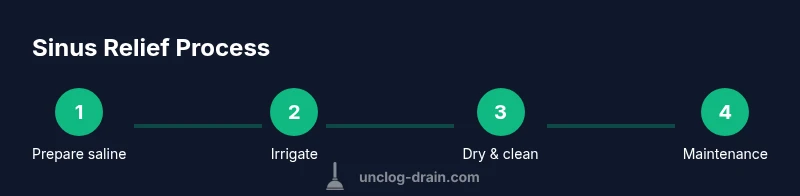
Perform a safe at-home sinus relief routine using saline irrigation, steam inhalation, and humidity control. Start with a sterile saline rinse using a neti pot or squeeze bottle, then apply gentle steam and keep the air moist. Hydration helps thinning mucus. If symptoms persist beyond 7 days or include high fever or severe facial pain, seek medical advice.
What is nasal congestion and why it happens
Nasal congestion, or clogged sinuses, occurs when the tissues lining your nasal passages become inflamed and swollen, often due to infections, allergies, irritants, or anatomical factors. When mucus builds up and airways narrow, you feel pressure and difficulty breathing through your nose. For homeowners, understanding the basics helps you pick safe, effective remedies and avoid overusing medications. According to Unclog Drain, the same disciplined approach you use to unclog a stubborn drain—identify the cause, choose a proven method, and monitor results—applies to sinuses as well. In practice, most congestion resolves with home care within a week, but persistent symptoms deserve medical attention.
When to seek medical advice
Most cases of nasal congestion improve with home care, but some symptoms require professional evaluation. Seek medical advice if you have a high fever, facial pain or swelling that lasts more than a few days, symptoms lasting longer than 10 days without improvement, severe sinus headaches, numbness around the face, or if you have a weakened immune system or a chronic condition like asthma. The Unclog Drain team emphasizes that persistent or worsening symptoms warrant a clinician’s assessment to rule out bacterial infection, nasal polyps, or dairy- and allergy-related inflammation.
The role of saline irrigation
Saline irrigation helps thin and clear mucus, flush irritants, and reduce nasal inflammation. A neti pot or squeeze bottle delivers a saline solution through the nasal passages, rinsing debris and allergens away. Use sterile or boiled cooled water to prepare the solution, and ensure the saline concentration matches store-bought products or doctor guidance. While some people experience immediate relief, others may need several sessions to notice a difference. Consistency matters: a regular rinse routine often yields better long-term results than sporadic use. The technique is simple, but proper sanitation is critical to prevent infections. As always, follow the manufacturer’s directions or clinician instructions, and avoid introducing unsterile liquids into the nose.
Steam, humidity, and climate control
Steam inhalation and ambient humidity can ease congestion by loosening mucus and soothing irritated nasal tissues. A warm shower or a humidifier in the bedroom during dry seasons can help maintain a comfortable moisture level. Keep the humidity around 40-60% to support mucus drainage without fostering damp indoor mold growth. If you have allergies, consider a high-quality air filter to reduce airborne irritants. The goal is to create a comfortable microclimate that supports your natural drainage pathways while avoiding overexposure to irritants.
Hydration and diet to support drainage
Water is essential for mucus thinning, so drink fluids consistently throughout the day. Caffeine and alcohol can dehydrate you, so balance these with additional water. Foods rich in omega-3 fatty acids may help reduce nasal inflammation for some people, while spicy foods can temporarily open nasal passages for a brief period. However, avoid excessive dairy if you notice mucus thickening. A balanced diet and steady hydration support the body’s mucus management and overall comfort during congestion.
Safe use of nasal sprays and decongestants
Over-the-counter nasal sprays, including saline and medicated decongestants, can provide relief but should be used carefully. Saline sprays are generally safe for frequent use, while medicated decongestants should be limited to short-term use (usually no more than a few days) to avoid rebound congestion. Never combine multiple decongestants without medical advice, and consult a clinician if you have high blood pressure, glaucoma, or heart disease. If you notice worsening symptoms after using a spray, discontinue and seek guidance.
Everyday habits to prevent recurrence
To minimize future congestion, maintain clean indoor air, manage allergies, and practice gentle nasal care. Regularly wash pillows, vacuum to reduce dust, and consider hypoallergenic bedding. Hydration and a steady routine for nasal care contribute to ongoing relief. If you smoke or are exposed to environmental irritants, reducing exposure can have a meaningful impact on nasal health over time. Small changes compound into lasting comfort.
Building a simple at-home routine
Create a daily rhythm that includes a saline rinse once or twice daily during congestion, a steam session or humidifier use in the evening, and a lightweight set of breathing exercises to promote nasal drainage. Track what works best for your symptoms and adjust timing as needed. Consistency is key: established routines tend to outperform sporadic, episodic care.
What to avoid during congestion
Avoid forcing fluids or using hot water directly in the nose, which can irritate delicate tissues. Do not reuse old saline solutions and never apply non-sterile liquids to the nasal passages. Steer clear of heavy, unproven remedies that lack evidence, and consult a clinician if you have persistent fever, facial swelling, or severe symptoms that impact daily functioning.
Tools & Materials
- Sterile saline solution (ready-made or homemade with salt and sterile water)(Use according to package directions or clinician guidance)
- Neti pot or squeeze bottle for nasal irrigation(Clean before every use; replace if damaged)
- Distilled water or boiled water cooled to a safe temperature(Do not use untreated tap water)
- Measuring cup or dropper for saline solution(Ensure correct salinity)
- Humidifier or vaporizer(Helps maintain indoor humidity)
- Tissues or a soft cloth(For gentle nose wiping)
- Mild soap and clean container for equipment cleaning(After each use, air-dry completely)
- Thermometer (optional)(Monitor for fever that may signal infection)
Steps
Estimated time: 15-25 minutes
- 1
Prepare saline solution
Boil water and cool to a safe temperature, then mix with the correct amount of salt to create a saline solution. Use distilled or sterile water only. This step reduces the risk of introducing pathogens during irrigation.
Tip: Follow a proven saline recipe or use pre-mixed solution to ensure proper salinity. - 2
Choose your irrigation device
Fill your neti pot or squeeze bottle with the prepared saline. Check that the spout fits comfortably and that the device is clean before use.
Tip: If you’re new to irrigation, practice over a sink and in a comfortable stance to prevent spills. - 3
Position your body and head
Lean forward over the sink with your head slightly tilted to one side. The goal is to allow solution to flow through one nostril and out the other, not straight back into the throat.
Tip: Keep your mouth open and breathe normally through the mouth during the process. - 4
Begin irrigation on one side
Gently insert the spout into the higher nostril and let saline flow through the nasal cavity. Do not force the solution; stop if you feel discomfort.
Tip: If you feel pressure, pause and adjust head angle slightly. - 5
Switch sides
Repeat on the opposite nostril after clearing the first side. Alternate slowly to maximize drainage and minimize swallowing the solution.
Tip: Take small breaths through the mouth to stay relaxed. - 6
Clear your nasal passages
Blow your nose gently to remove loosened mucus. Do not sniff hard; this can push mucus back into the sinuses.
Tip: Use tissues and wipe the outer nose to stay comfortable. - 7
Clean and dry your equipment
Rinse the irrigation device with clean water, wash with mild soap, and air-dry completely before storing.
Tip: Disassemble parts if allowed by manufacturer and ensure all components are dry to prevent mold. - 8
Follow up and monitor
Observe symptoms for 24-48 hours. If congestion persists or worsens, consider additional steps or consult a clinician.
Tip: Keep a simple symptom log to track what helps or irritates your sinuses.
Common Questions
Is nasal irrigation safe for children?
When done with age-appropriate saline concentrations and under supervision, nasal irrigation can be safe for children. Use child-sized devices and ensure water is sterile or boiled and cooled. Consult a pediatrician if you have concerns about technique or frequency.
Nasal irrigation can be safe for kids with the right saline solution and close supervision. Use child-friendly devices and ask a doctor if you’re unsure.
How often can I do nasal irrigation?
Frequency depends on your symptoms and doctor guidance. Many people use saline irrigation daily during a flare and reduce to a few times per week once symptoms improve. Do not use medicated sprays for extended periods without medical advice.
Use saline irrigation as directed by your clinician. If symptoms persist, talk to a healthcare provider.
Can nasal irrigation cure sinus infections?
Nasal irrigation can relieve congestion and help clear mucus, but it does not cure bacterial infections. If you suspect an infection, a clinician may prescribe antibiotics or other treatment after evaluation.
It helps with symptoms but isn’t a cure for infection. See a clinician if symptoms persist.
Are there risks with using a neti pot?
Risks include infection from non-sterile water or improper cleaning. Always use sterile or boiled and cooled water, saline solution, and thoroughly clean the device after use.
Infection risk comes from unsterile water or poor cleaning. Use sterile water and clean the device well.
What about over-the-counter decongestant sprays?
Decongestant nasal sprays can provide quick relief but should be used for short periods to avoid rebound congestion. Avoid long-term use unless advised by a clinician.
They help short-term, but don’t overuse them. Talk to a clinician if needed.
When should I seek urgent care?
Seek urgent care for severe facial pain, fever above 102 F, swelling around the eyes, confusion, chest pain, or signs of an allergic reaction. These may indicate more serious conditions.
Go to urgent care if you have severe facial pain, high fever, swelling, or trouble breathing.
Watch Video
Key Points
- Begin with safe saline irrigation and maintain breathing through the mouth during the process.
- Steam and humidity support relief when used with saline rinses.
- Hydration and lifestyle adjustments help reduce nasal inflammation over time.
- Limit decongestant nasal sprays to short-term use to avoid rebound congestion.
- If symptoms persist beyond a week or worsen, seek medical evaluation.