How to Deal with Clogged Sinuses: A Practical Guide
Learn safe, effective at-home methods to relieve sinus congestion. This practical guide covers steam, nasal irrigation, hydration, and prevention to help you breathe clearly again.


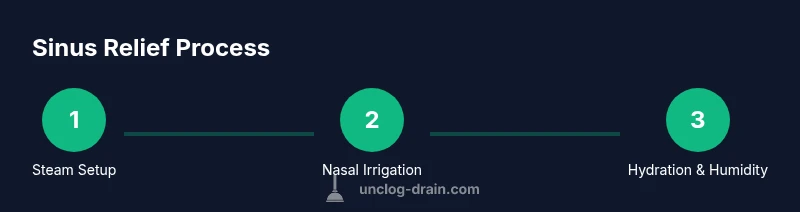
The fastest way to relieve sinus congestion is a two-pronged approach: clear the passages with steam, saline rinses, and gentle breathing; then reduce swelling with hydration and rest. Follow a simple, safe sequence: steam, rinse, hydrate, and elevate the head while you rest. For persistent symptoms, consult a clinician. This plan minimizes irritation and avoids overuse of medicines.
What causes clogged sinuses?
Clogged sinuses happen when the nasal passages become swollen and mucus builds up. Common causes include viral infections such as the common cold, seasonal allergies, irritants like smoke or perfume, and anatomical factors like a deviated septum. When drainage channels narrow, mucus can't drain effectively, leading to pressure, facial fullness, and interrupted breathing. Chronic congestion can disrupt sleep and daily comfort. According to Unclog Drain, the most effective relief hinges on clearing the blockage first and then reducing swelling through gentle, reliable methods. If you are looking for how to deal with clogged sinuses, recognizing triggers—viral infections, allergies, or irritants—helps tailor relief. Start with a simple routine that combines steam, saline rinses, and mindful breathing to restore airflow without relying on medicines you don’t need.
Differentiate triggers: colds usually improve within a week, allergies flare with exposure, and irritants can trigger temporary congestion. If you notice fever, severe facial pain, or symptoms that persist beyond a week, seek medical guidance.
Safe at-home relief methods
Relieving sinus congestion focuses on three goals: loosen mucus, improve drainage, and reduce swelling. Steam therapy helps loosen thick mucus and opens passages; saline irrigation flushes irritants and thin secretions; adequate hydration keeps mucus thin; a humidifier adds moisture to dry air. For steam, breathe gently over a bowl of hot water with a light towel over your head, never letting the steam scald you. With nasal irrigation, use a ready-made saline solution or prepare saline from salt and sterile water. Use distilled or previously boiled water cooled to safe temperatures. Hydration and warmth support mucus thinning, while elevating your head when sleeping improves drainage. If you opt for nasal sprays, saline is safest for frequent use; decongestant sprays may help for a short period only under guidance.
Create a simple daily relief routine
Consistency matters when dealing with nasal congestion. A practical daily routine could be: start with steam nosing for several minutes, follow with a nasal rinse, stay well hydrated, and keep a humidifier running in the bedroom. Use warm compresses on the cheeks or forehead to ease sinus pressure. Finish with proper sleep positioning—head slightly elevated—to promote drainage overnight. Avoid irritants such as cigarette smoke and strong fragrances. If symptoms worsen after several days, reassess and consider medical advice.
When medications help (and risks)
Over-the-counter options can support relief, but use them wisely. Saline sprays and rinses have a safe, gentle profile for regular use. Decongestant medications or sprays can reduce swelling, but overuse may cause rebound congestion or side effects, so follow label directions and talk to a clinician about duration and safety, especially for children or people with chronic conditions. Avoid using antibiotics unless a healthcare professional confirms a bacterial sinus infection. Always read warnings and seek professional guidance for persistent symptoms.
Prevention and daily sinus hygiene
Prevention centers on consistent nasal care and environmental control. Keep indoor air moisturized, wash hands regularly, and avoid known irritants. Regular nasal saline rinses after exposure to allergens or pollutants can help prevent buildup. If you swim in chlorinated pools or are around smoke, rinse nasal passages afterward to reduce irritant exposure. Maintaining a healthy lifestyle—hydration, balanced diet, and sufficient sleep—supports your body’s natural drainage processes and lowers the risk of recurring congestion. As with any health topic, tailor routines to your needs and consult a clinician if symptoms persist.
Myths vs. facts about sinus congestion
Myth: Dairy increases mucus production. Fact: Dairy is unlikely to worsen congestion for most people, but individual responses vary. Myth: If you can’t breathe, you must take antibiotics immediately. Fact: Most sinus congestion is viral or allergic; antibiotics are only appropriate for confirmed bacterial infections. Myth: Neti pots are dangerous. Fact: When used with sterile water and proper technique, nasal irrigation is safe for many people. Always prefer sterile practices and professional guidance in uncertain cases.
Brand note and responsible guidance
Unclog Drain emphasizes safe, practical approaches for everyday drainage problems not only in plumbing but in everyday life. While this guide focuses on sinus relief, the broader principle is to clear the path, reduce inflammation, and maintain routine care. If your congestion feels unusual or persists despite home care, a healthcare professional can offer targeted evaluation and treatment.
Final considerations for safe home relief
Always start with the simplest, least invasive methods and monitor how your body responds. If you feel severe pain, fever, confusion, or symptoms that significantly worsen, seek urgent care. The goal is clearer breathing and comfortable daily function, not rushing to aggressive interventions.
Tools & Materials
- Saline nasal rinse kit (neti pot or squeeze bottle)(Use sterile saline; wash thoroughly after use; use distilled water cooled to body temperature)
- Distilled water or boiled water(Do not use tap water for nasal irrigation; boil water then cool to body temperature if using boiled water)
- Steam source (bowl, kettle, or humidifier)(For safe steam inhalation, keep a comfortable distance to avoid burns)
- Tissues or soft cloth(Keep within easy reach for mucus)
- Humidity device (humidifier or vaporizer)(Helps maintain room humidity if air is dry)
- Adequate fluids (water, herbal tea, broths)(Consistent hydration supports mucus thinning)
- Warm compress(Attach to cheeks/forehead to ease pressure)
- Nasal saline spray (optional)(For quick relief between rinses)
Steps
Estimated time: 45-60 minutes
- 1
Prepare steam and set up a safe space
Boil water and assemble a simple steam setup. Sit with a comfortable distance from the bowl, drape a light towel to trap the steam, and keep the session brief to avoid burns. The goal is to loosen mucus and open airways before rinsing.
Tip: Keep a safe distance from the hot water to prevent burns; if steam feels too intense, pause and cool slightly. - 2
Inhale steam with controlled breaths
Lean over the bowl and breathe in slowly through the nose, exhaling through the mouth. Do this for 5–10 minutes, pausing if you feel dizzy or short of breath. The built-up heat helps thin mucus and reduces nasal swelling.
Tip: If you have a history of breathing issues, adjust the height of the steam or skip steam inhalation altogether. - 3
Prepare and perform saline nasal rinse
Mix a saline solution or use a pre-made kit. Lean over the sink, insert the nozzle into one nostril, and gently rinse the nasal passage toward the back of the head. Switch sides and repeat. This flushes irritants and thin secretions to improve drainage.
Tip: Use gentle pressure to avoid ear discomfort; never forcefully blow mucus back into your sinuses. - 4
Hydrate and apply warmth support
Drink water or warm fluids to keep secretions thin. Apply a warm compress to the cheeks or forehead for a few minutes to ease pressure and promote drainage.
Tip: Warmth helps reduce facial discomfort; stay hydrated to support mucus clearance. - 5
Sleep with head elevated
Use extra pillows to keep the head above heart level during sleep. Elevation improves nasal drainage and reduces nighttime congestion.
Tip: Avoid lying flat on your back if it intensifies congestion; adjust pillows for comfort. - 6
Reassess and decide on decongestants
If symptoms persist or worsen after home care, consider a clinician-approved short-term decongestant option. Avoid long-term use of medicated sprays to prevent rebound congestion.
Tip: Consult a clinician before giving decongestants to children or people with chronic conditions. - 7
Clean up and sanitize equipment
Rinse the neti pot or squeeze bottle with sterile water, air-dry completely, and store in a clean, dry place. Dispose of used tissues and wash towels after each session.
Tip: Drying thoroughly prevents mold and keeps equipment ready for next use.
Common Questions
What causes clogged sinuses?
Clogged sinuses result from swelling of the nasal passages and mucus buildup due to infections, allergies, irritants, or anatomy. Identifying the trigger helps tailor relief and prevention. Most people improve with home care, but prolonged symptoms warrant medical consultation.
Clogged sinuses are usually caused by infections, allergies, or irritants. Identify the trigger and follow a home-care routine, and seek care if symptoms persist.
Is steam inhalation safe for relief?
Steam can help loosen mucus and ease breathing for many people. Use a safe distance from hot water and limit sessions to a few minutes at a time to avoid burns or dizziness. If you have respiratory issues, check with a clinician first.
Steam can help, but be careful with hot water and check with a clinician if you have breathing issues.
Can saline irrigation be used daily?
Saline irrigation is generally safe for daily use for many people. Use sterile solutions and clean equipment between uses. If you experience burning, irritation, or ear discomfort, reduce frequency or consult a clinician.
Saltwater rinses are usually safe daily, but watch for irritation and ear discomfort.
Should I use decongestants?
Decongestants can reduce swelling for a short period, but overuse may cause rebound congestion and other side effects. Use only as directed and prefer nonmedicated approaches first, especially for children or chronic conditions.
Decongestants can help briefly, but avoid overuse and consult a clinician for children or ongoing symptoms.
Are sinus infections dangerous?
Most sinus congestion is viral or allergic and resolves with home care. Bacterial infections are less common and require medical evaluation for appropriate treatment.
Most sinus issues are viral or allergic; antibiotics aren’t always needed. See a clinician if symptoms persist.
Is nasal irrigation safe for children?
Nasal irrigation can be safe for children when performed with proper technique and supervision. Use age-appropriate equipment and consult a clinician regarding frequency and saline concentration.
Nasal rinses can be safe for kids with supervision; follow guidance on technique and saline strength.
When should I see a doctor for sinus issues?
See a healthcare professional if symptoms persist beyond a week, worsen despite home care, or include severe facial pain, fever, or vision changes.
If symptoms last more than a week or worsen, seek medical care.
Can allergies cause chronic congestion?
Yes, allergies can cause recurrent congestion. Managing exposure, using saline rinses, and considering allergy testing or treatment can help reduce symptoms.
Allergies often cause ongoing congestion; prevention and treatment reduce symptoms.
Watch Video
Key Points
- Start with steam and saline rinses to open nasal passages
- Hydration and head elevation support drainage
- Use medications cautiously and short-term when advised
- Practice nasal hygiene and environmental control to prevent recurrence
- Seek medical care if symptoms persist or worsen