How to Unclog Outside Sewer Line: A Practical DIY Guide
Learn a safe, step-by-step approach to unclog outside sewer lines. Get tools, prep tips, and maintenance guidance for homeowners dealing with outdoor backups and sewer odors.


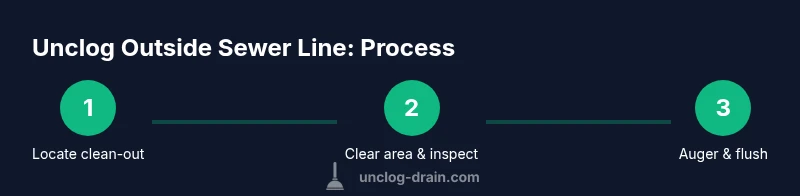
You can unclog outside sewer line by locating the exterior clean-out, removing surface debris, and using a drain auger to clear blockages in the main line. Then flush with water and re-test the line for flow. Always wear gloves and eye protection, and avoid harsh chemical cleaners. If backups persist or you smell sewage, call a professional. According to Unclog Drain, safety first.
Understanding outside sewer lines and why they back up
Outside sewer lines carry wastewater from your home to the street main and are accessed via exterior clean-outs or yard clean-out caps. A clog here can back up indoor drains, cause slow drainage in multiple fixtures, and even produce foul odors near the foundation. The unclog outside sewer line process hinges on a reliable access point and careful, deliberate clearing rather than brute force. The Unclog Drain team emphasizes that identifying the exact clean-out location reduces guesswork and protects landscaping from unnecessary disturbance. In many setups, a short vertical pipe with a removable cap signals the entry point; opening it allows you to assess flow and determine whether the obstruction is near the cap or deeper in the main line.
A clear plan helps you avoid unnecessary digging or damage. By understanding how the exterior line interacts with your home plumbing, you can perform a safer, more effective clearance. This section lays the groundwork for a controlled DIY approach while acknowledging when a professional intervention is wise.
Signs that an exterior blockage is affecting your drains
Exterior blockages often reveal themselves through multiple slow drains, gurgling sounds near the clean-out, or sewage odors around the outdoor area. You may notice wastewater pooling in the yard after rain or heavy irrigation, and the lawn may feel damp or soft near the clean-out access point. When indoor fixtures back up during laundry cycles or toilet flushes, the problem likely involves the main line rather than a single branch. Roots, crushed pipes, or sediment buildup are common culprits. Early detection improves outcomes because exterior clogs are typically less forgiving than small indoor clogs, and improper attempts can push the blockage further into the system. Consistent issues warrant a careful, measured approach rather than rushing to a chemical solution.
Safety first: hazards and protective measures
Working on an outside sewer line exposes you to sewage exposure, hazardous gases, and potential trips or slips. Always wear heavy-duty gloves, eye protection, and sturdy footwear. If you detect a strong sewage odor, gas buildup, or signs of a compromised pipe, evacuate and call the proper emergency or utility contacts. Before you open any cap or dig near the line, call 811 (the “call before you dig” number) to ensure there are no utility lines nearby. Use a purpose-built drain auger or plumbing snake instead of forcefully ramming tools into the pipe, and avoid chemical drain cleaners that can corrode pipes or create dangerous fumes. Keep a bucket, towels, and a hose ready for controlled flushing, and make sure pets and children are kept well away from the work zone.
Preparing your workspace and tools
Clear the area around the exterior clean-out and lay down a tarp to catch runoff. Gather PPE (gloves, goggles), a flashlight, a sturdy bucket, a plumbing auger or drain snake (recommended length: 15–25 feet for exterior work), an adjustable wrench, and a garden hose with a shut-off valve. Have old towels or rags on hand for quick cleanup, and a spare container for any muddy water. If the clean-out is partially buried, you may need a small amount of digging to expose the cap, but avoid heavy excavation that could damage soil pipes. Plan for a dry day to minimize mess, and chart a safe path for water to drain away from your home.
A DIY approach to unclog outside sewer line (high-level overview)
The core idea is to access the clean-out, deploy the auger to break up the blockage, and guide debris toward the main line with controlled movements. Start by removing the cap and checking for standing water, which indicates a blockage located somewhere along the line. Feed the auger gently while rotating, aiming to break apart roots, grease, or sediment. If you meet resistance, pause and reassess the alignment; forcing the snake can damage the pipe or push the clog deeper. Once you feel a breakthrough, slowly flush with water and watch for improved flow. A persistent odor or recurring backup after this effort usually signals a deeper issue that may require professional equipment or inspection.
When DIY isn’t enough: recognizing the limits
Not all exterior clogs are the same. A heavily rooted, collapsed, or shifting line often requires specialized equipment such as a CCTV camera to assess the interior and rain-free jetting to clear the obstruction. If you notice repeated backups after a thorough DIY attempt, or if the yard shows persistent dampness, call a licensed plumber promptly. The Unclog Drain team notes that attempting invasive repair without proper tools can cause more harm than good, increasing the risk of wastewater exposure and property damage. When in doubt, prioritize safety and seek professional guidance.
Tools & Materials
- Heavy-duty rubber gloves(Protect hands from sewage and sharp objects)
- Safety goggles(Eye protection against splashes)
- Flashlight(Inspect the clean-out and area)
- Drain auger / plumbing snake(13–25 ft for exterior lines; avoid overextension)
- Garden hose with shut-off valve(Flush the line after clearing)
- Bucket and towels(Catch runoff and clean up spills)
- Adjustable wrench(Remove/reinstall clean-out cap)
- Old clothes/coveralls(Shield clothing from staining)
Steps
Estimated time: 60-90 minutes
- 1
Locate exterior clean-out
Identify the exterior clean-out near your foundation or in the yard. Remove the cap carefully and check for standing water or odors. Confirm this is the main entry to the sewer line before proceeding.
Tip: Use a flashlight and wear protective gloves; cap placement can vary by home design. - 2
Clear the immediate area
Remove loose debris around the cap and inspect the ground for soft spots or signs of leaks. Clearing the area improves drainage and reduces the chance of new debris entering the line during augering.
Tip: Keep a bucket handy to trap dirty water and prevent staining the yard. - 3
Open the clean-out and assess
Loosen and lift the clean-out cap slowly. Look for standing water, which suggests a deeper blockage, and check the gauge of flow by briefly running a small amount of water. Do not force the cap if it’s tight.
Tip: If you smell a strong sewer odor, move back and reassess; pressure can indicate a larger issue. - 4
Insert and operate the auger
Feed the auger into the pipe, turning steadily as you push forward to break up roots or compacted sediment. Stop if you meet heavy resistance and pull back slightly before advancing again to avoid pipe damage.
Tip: Keep the line as straight as possible to prevent kinking; avoid twisting too hard. - 5
Flush and test the line
Attach the hose and slowly flush the line with water, watching for improved flow through the clean-out. Reconnect the cap securely and test draining from several fixtures to ensure the line is clear.
Tip: Start with a slow flush, then gradually increase flow to verify stability. - 6
Evaluate the outcome
If water drains freely and odors disappear, you’ve likely cleared the main blockage. If backups return or you still detect sewage odor, stop DIY efforts and call a licensed plumber for a deeper assessment.
Tip: Document observations (water level, odor, time) to share with the pro.
Common Questions
What is considered an exterior vs. main sewer line?
Exterior lines refer to the portion of the sewer system accessible from outside your home, typically including a clean-out. The main line runs from the house to the street and often requires professional equipment to diagnose and clear. When in doubt, a professional assessment can prevent further damage.
Exterior lines are the outdoor segments with clean-outs; the main line runs from the house to the street and may need a plumber for proper diagnostics.
When should I DIY versus call a plumber?
For minor blockages with a reachable exterior clean-out and no strong odors, a careful DIY approach is reasonable. If you encounter persistent backflow, sewage odors, tree root intrusion, or suspect a collapsed pipe, stop and call a licensed plumber. Safety and health risks make professional evaluation prudent.
DIY is okay for simple blockages; otherwise call a pro for safety and to prevent further damage.
Are chemical drain cleaners safe for outdoor lines?
Most chemical cleaners are not recommended for outdoor lines as they can damage pipes and harm the environment. Use mechanical methods like a drain auger first, and consider enzymatic cleaners sparingly if recommended by a professional.
Chemicals can harm pipes and the environment; opt for mechanical clearing first.
What precautions reduce risk during DIY unclogging?
Always wear PPE, keep children and pets away, and test water flow gradually. Avoid forcing tools into tight bends and shut off outdoor water if leaks appear. If you see gas or strong odors, evacuate and seek professional help.
Wear PPE, test slowly, and don’t push through strong resistance.
What can indicate a deeper sewer problem?
Repeated backups after clearing, persistent odor near the clean-out, or damp yard patches suggest more than a simple blockage. These signs often point to root intrusion, pipe collapse, or main-line issues requiring professional diagnostics.
Recurring backups or persistent odors mean a deeper issue may exist.
How long does it typically take to clear an exterior clog?
Times vary with blockage severity, but a straightforward exterior clog can take about an hour to an hour and a half with proper tools. More complex cases may require longer or professional intervention.
Most exterior clogs take about an hour or so, depending on complexity.
Watch Video
Key Points
- Identify and use the exterior clean-out as the entry point.
- Work slowly with a snake; avoid forcing the line.
- Protect yourself with PPE and keep kids/pets away from the area.
- If backups persist, escalate to a professional promptly.