How to Unclog Drains: A DIY Guide for Homeowners
Learn safe, effective methods to unclog kitchen, bathroom, and toilet drains. Step-by-step guidance, tool lists, pro tips, and maintenance strategies to prevent future clogs. Based on Unclog Drain Analysis, 2026, this guide helps homeowners tackle common clogs confidently.


This guide shows you how to unclog drains and toilets safely using proven DIY methods. You'll learn when to plunge, use a drain snake, and how to flush for a lasting result. By following these steps, you can fix common clogs quickly and reduce the risk of overflows or damage. For context on 'unclog games 76', this approach uses safe, practical methods you can apply today.
Understanding Clogs: Causes, Signals, and Quick Checks
Clogs don’t appear out of nowhere; they form from everyday buildup in your pipes. Hair, soap scum, cooking grease, coffee grounds, and fibrous food scraps are common culprits in kitchen and bathroom drains. A slow drain, standing water, or a gurgling sound when you flush or run water are red flags you’re facing a blockage. According to Unclog Drain, most clogs begin with gradual buildup that traps more debris over time, turning a minor inconvenience into a stubborn jam. For readers researching 'unclog games 76', this guide uses practical, proven methods you can apply today to identify the blockage and begin a safe clearing process. Before you grab a tool, acknowledge the layout of your drain: sinks have P-traps that hold water to prevent sewer gases; toilets have a trap that can be cleared with careful technique; showers and tubs often collect hair and soap scum. Quick checks: look under the sink for leaks, run water from a fixture nearby to see if it drains slowly, and listen for a hollow-sounding pipe when you pour water. This initial diagnostic step is essential to choosing the right approach and avoiding unnecessary damage.
Safety First: Gear, Risks, and When to Stop
Safety is the foundation of any DIY unclogging project. Wear rubber gloves and eye protection, keep children and pets away, and ensure you have adequate lighting. Do not mix chemical drain cleaners with other methods or tools; combining chemicals with plungers or snakes can create hazardous fumes or pipe damage. If you encounter a foul odor, sewage backup, or ongoing gurgling sounds after attempting a clearance, stop and reassess. According to Unclog Drain, most routine clogs resolve with basic tools, but hazardous materials or stubborn backups may require professional assessment. If you’re working near a gas line or electrical outlets, stop and call a pro. This block also covers basic safety checks like turning off a nearby water source to avoid splashes and using a bucket to catch water. By prioritizing safety, you reduce risk while gaining a clearer view of the blockage and the best clearance method.
DIY Routes: Plunger, Snake, and Alternatives
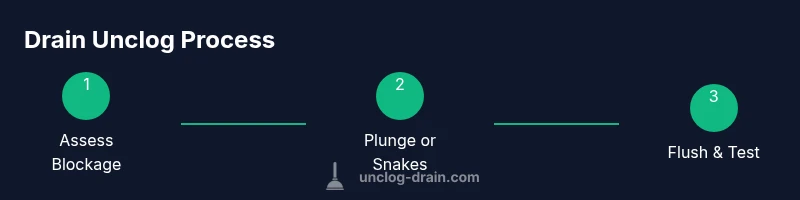
Plunging remains the first line of defense for many clogs. A good fit is a flange toilet plunger or a sturdy cup plunger for sinks. If standing water is present, a well-sealed plunge can break the blockage with controlled pressure. When plunging fails or the clog is deeper, a drain snake (auger) is your next option. A snake can dislodge debris and grab onto it for extraction. For slow-draining sinks caused by grease or soap scum, a combination of cold water flush and gentle agitation with a snake often yields results. Avoid banging tools against the pipe, which can damage joints and seals. For stubborn clogs, consider a brief mechanical flush or a professional-grade auger. Unclog Drain’s guidelines emphasize starting with the least invasive method and escalating only as needed. If you’re unsure about disassembling a trap or vent line, skip ahead to a professional solution to protect your plumbing system.
Step Patterns for Different Drains: Kitchen, Bathroom, and Toilet
Different drains require small adjustments. Kitchen sinks often encounter fatty food buildup; bathroom sinks face hair and soap scum; toilets face solid waste and tissue that can compact. When dealing with a kitchen sink, start with plunging using a cup plunger and then progress to a snake if the clog persists. For bathroom sinks and showers, a flange plunger may create the best seal, followed by a snake for deeper clogs. Toilets demand extra care: use a flange plunger, maintain a firm seal, and avoid ornamentation of the toilet bowl that could trap air. The goal is to generate enough force to break the blockage without pushing it further into the pipe. According to Unclog Drain, tailoring your approach to the drain type improves success rates and minimizes damage.
Maintenance Mindset: Preventing Future Clogs
Prevention saves time and money. Regularly flush drains with hot water to melt grease, install strainers to catch hair and food scraps, and avoid pouring fats down the drain. Run water for a few seconds after using the sink, garbage disposal, or dishwasher to keep the line moving. A quarterly or bi-annual maintenance check—especially in kitchens and bathrooms—helps catch buildup early. Periodically clean P-traps under sinks to remove trapped gunk. Unclog Drain notes that routine maintenance reduces clog frequency and supports smoother drainage throughout the year. Keeping a simple DIY kit on hand also lowers the barrier to quick fixes, helping homeowners act before a minor clog becomes a major issue.
Tools & Materials
- Plunger (cup or flange)(Choose a flange model for toilets; a flat cup works for sinks.)
- Drain snake / auger(Handheld 3/8–1/2 inch diameter; length 3–6 feet.)
- Bucket(To catch water and debris; place under the trap if accessible.)
- Gloves (rubber or nitrile)(Waterproof, snug-fitting.)
- Flashlight or headlamp(Better visibility inside pipe sections.)
- Vinegar and baking soda(Use for deodorizing and light fizzing, not to rely on for major clogs.)
- Adjustable pliers or a small wrench(Only if you need to disconnect traps.)
Steps
Estimated time: 25-45 minutes
- 1
Prepare the area and inspect
Clear the area around the drain, lay towels or old rags to catch spills, and inspect visible plumbing for leaks. Identify whether you’re dealing with a kitchen, bathroom, or toilet blockage, and confirm there is access to a trap or bend where a tool can reach. This preparation reduces mess and helps you plan the best approach.
Tip: Have a bucket ready and ensure good lighting before you start. - 2
Choose the right method
If water is standing, start with plunging to create pressure that can loosen the clog. If plunging fails or you can reach the trap with a snake, switch to mechanical agitation with a drain snake. Avoid jumping between methods—assess the blockage after each attempt to avoid damaging pipes or seals.
Tip: Begin with the simplest method (plunge) to save time and effort. - 3
Plunge correctly
Seal the drain opening and apply firm, vertical strokes with the plunger. Maintain pressure for 15–30 seconds, then pause and inspect for water movement. Repeat in 2–3 cycles. If you see water breaking through, continue a bit longer before testing the drain.
Tip: Keep the seal intact and avoid rapid, sideways movements. - 4
Use a drain snake if needed
Insert the snake into the drain and rotate clockwise as you push forward. When you feel resistance, gently pull back to grab or break up the clog. Retract the coil slowly and remove debris. Rinse with hot water to clear any remaining fragments.
Tip: Don’t force the snake; resistance usually means you’ve hit a solid part of the clog. - 5
Flush and test the drain
Run hot water through the drain to verify flow. If the water drains slowly, repeat the plunge or snake steps once more. For toilets, flush to confirm the bowl clears cleanly and there’s no backup.
Tip: If water backs up, stop and reassess—you may need a professional assessment. - 6
Clean up and prevent future clogs
Wash tools with soap and water, dry them, and store in a dry area. Wipe down the area and consider installing strainers and practicing mindful disposal habits to reduce future buildup.
Tip: Regular maintenance reduces the likelihood of recurring clogs.
Common Questions
What is the quickest way to unclog a kitchen sink drain?
Start with a plunger to generate pressure. If that fails, move to a drain snake to break up or pull the blockage, then flush with hot water.
Use a plunger first, then a snake if needed; flush to test.
Can I use chemical drain cleaners safely?
Chemical cleaners can damage pipes and fixtures if misused. Use them only as a last resort and follow label directions carefully.
Be cautious with chemicals; they’re risky if used improperly.
What should I do if plunging doesn’t work?
Try a drain snake to reach deeper debris. Check the trap for blockages and clean it if needed. If unresolved, call a professional.
If plunging fails, switch to a snake and inspect traps.
Is baking soda and vinegar effective for clogs?
Baking soda and vinegar can help with minor buildup and deodorize, but they’re not reliable for stubborn clogs. Use them as a supplementary step.
Baking soda and vinegar aren’t a fix-all; they help with mild buildup.
How can I prevent future clogs?
Use strainers, avoid pouring grease or fibrous foods down drains, and run hot water after waste disposal to keep lines clear.
Preventing clogs is easier with routine habits.
Key Points
- Assess the clog before acting