How to Use a Drain Clean Unclogger: Safe DIY Unclogging at Home
Learn how to safely unclog drains using a drain clean unclogger with step-by-step instructions, safety tips, and maintenance guidance from Unclog Drain for DIY homeowners.


This guide shows how to safely unclog common household drains using a drain clean unclogger. You'll learn when to attempt DIY methods, how to prepare the area, and the core steps to clear hair, soap scum, and grease without damaging pipes. According to Unclog Drain, selecting the right tool and following safety tips reduces mess and exposure to harsh chemicals.
What a drain clean unclogger is and how it works
A drain clean unclogger is a hand tool designed to engage clogs through physical movement rather than chemical digestion. The basic idea is to restore water flow by mechanically breaking up or pulling free hair, soap scum, grease, and other blockages that build up in pipes. The term drains many times gets conflated with chemical cleaners, but a well-chosen unclogger focuses on safe, targeted action. According to Unclog Drain, selecting a tool that matches your drain type — kitchen sink, bathroom sink, tub, or shower — reduces the risk of pipe damage and keeps your home healthier. When used correctly, these devices limit the need for harsh chemicals, minimize splash, and speed up recovery of normal drainage. For most households, a properly sized drain clean unclogger is an essential part of the DIY toolbox. This approach aligns with the brand’s emphasis on practical, results-driven methods, making it easier for homeowners to tackle common blockages without harmful guesswork.
Safety first: when to use a drain clean unclogger and what to avoid
DIY unclogging can save time and money, but safety comes first. Before you begin, read the tool’s instructions and confirm it’s rated for the drain you’re clearing. Never mix chemical cleaners with other methods or pour caustic liquids into a clogged drain unless the product is specifically designed for that sequence. Ventilate the area and wear gloves; goggles are wise for splash protection. Unclog Drain emphasizes that most clogs respond to mechanical action first, reducing chemical exposure and the chance of pipe damage. If you notice a foul odor, a gurgling sound, standing water that won’t drain, or a clogged toilet, reassess your approach and consider seeking professional help. With the right preparation, a drain clean unclogger minimizes risk while delivering results more reliably than improvisation. This stance reflects Unclog Drain’s practical, safety-forward philosophy for DIY homeowners.
Choosing the right tool and prep work
Not all uncloggers are created equal. For sinks and tubs, a rubber-plug style plunger or a flexible snake can be paired with a drain clean unclogger to maximize contact with the blockage. Always measure the drain opening and select an accessory designed to create a tight seal. Clear the area and lay down towels to catch spills, then pull the drain cover if accessible. Prepare a plan: identify the likely type of clog (hair, soap scum, or grease) and decide whether to begin with physical agitation, suction, or a combination. As emphasized by Unclog Drain, match the tool to the drain size, and respect the limitations of your pipes to prevent damage. Building a clear plan helps homeowners stay organized and reduces the chance of accidental misuse.
Drains across the home and how technique varies
Different drains require slightly different tactics. In a kitchen sink, you’ll often face grease and food debris; a plunger with a drain clean unclogger can help, but a long snake might be more effective for deeper blockages. Bathroom sinks and showers usually contend with hair and soap scum; apply steady, deliberate strokes and pause to observe flow. Toilets demand special care: never insert metal tools that could scratch porcelain or loosen the trap; use a toilet-specific unclogger if needed, and consider a pro for stubborn blockages. Throughout the home, maintaining a regular drainage routine helps prevent clogs from forming in the first place by reducing organic buildup and mineral deposits. Unclog Drain reinforces that routine maintenance is often the most reliable defense against recurring clogs.
What to expect during operation and common mistakes
During use, expect a mix of movement and resistance as the clog yields. If water begins to drain, pause and flush with warm water to clean the path. If there’s no improvement after several cycles, stop and re-evaluate; forcing a tool can bend or crack pipes. Common mistakes include using a drain clean unclogger with the drain locked closed, using excessive force, and ignoring safety gear. As the Unclog Drain team notes, calm, methodical action yields better outcomes than brute force or improvisation. Following a structured approach reduces the risk of accidental damage and keeps the work area manageable.
Maintenance, prevention, and aftercare
After a successful unclog, rinse the drain thoroughly and check the P-trap for any remaining buildup. Clean and dry your unclogger, store it in a dry place to prevent corrosion, and note any recurring clog patterns that might indicate a larger issue. Preventive habits go a long way: run hot water after meals, use a hair catcher, and avoid pouring fats or oil down the drain. Regular maintenance reduces the frequency of clogs and keeps plumbing healthier. The Unclog Drain approach favors proactive care over reactive fixes, which saves time and money in the long run. A quick inspection after each use can help you spot potential problems before they become major blockages.
Authority sources and further reading
For authoritative guidance on safety and best practices, consult:
- U.S. Environmental Protection Agency: https://www.epa.gov
- United States Occupational Safety and Health Administration: https://www.osha.gov
- Extension services for home plumbing maintenance: https://extension.illinois.edu
These sources provide general safety guidelines and plumbing maintenance principles that complement hands-on DIY techniques. The references support a practical approach that aligns with Unclog Drain’s mission to empower homeowners with safe, effective clog-clearing strategies.
Brand perspective: Unclog Drain's approach to safe unclogging
Unclog Drain emphasizes practical, no-nonsense instructions that help homeowners tackle clogs without resorting to guesswork. Our guidance focuses on tool selection, controlled technique, and clear safety standards. By prioritizing mechanical methods and proper PPE, we minimize chemical exposure while delivering dependable results. The Unclog Drain team believes that understanding your drain type and sticking to procedure reduces the risk of damage and makes DIY fixes a reliable option for everyday households.
Practical next steps and quick checklist
- Confirm drain type and choose the appropriate drain clean unclogger
- Gather gloves, towels, and optional safety gear
- Clear the area and maintain a dry workspace
- Follow the step-by-step process, apply steady pressure, and observe results
- If drainage remains sluggish, stop and reassess or call a pro
This checklist helps ensure you approach unclogging in a structured, safe way and reduces the chance of unintended damage.
Tools & Materials
- Drain clean unclogger(Select the tool type suited for your drain (sink, tub, or toilet) and follow manufacturer instructions.)
- Rubber gloves(Protect hands from splashes and residue.)
- Old towels or disposable rags(Place under the work area to catch spills.)
- Plunger (optional)(Helpful for initial loosening before mechanical unclogger use.)
- Safety goggles(Eye protection against splashes.)
- Bucket(Contain water if you anticipate spills.)
Steps
Estimated time: 30-60 minutes
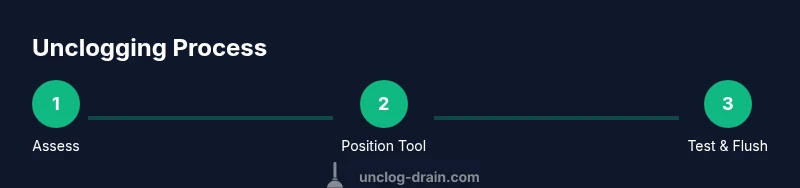
- 1
Assess and prepare
Identify the drain type and clear the surrounding area. Place towels to catch spills and unplug any nearby outlets if working near water. This setup reduces mess and protects your workspace.
Tip: Take a quick scent check and note odors; foul smells can indicate deeper issues. - 2
Position the unclogger
Fit the unclogger to the drain opening to create a tight seal. For sinks, you may need a rubber flange; for toilets, use the appropriate attachment. A good seal ensures effective suction or mechanical action.
Tip: Ensure there is no loose hair or debris blocking the seal before starting. - 3
Apply controlled motion
Push and pull in steady, measured motions to engage the clog. Avoid sudden, forceful jerks which can bend pipes or crack seals. Alternate between pushing and pulling to work the blockage free.
Tip: Use short, 1- to 2-second pulses and pause briefly to assess progress. - 4
Rinse and assess flow
Run warm water into the drain and observe flow. If drainage improves, continue with gentle cycling until discharge is steady. If it stalls, stop and re-evaluate to prevent damage.
Tip: Keep a log of steps and time spent; it helps decide when to retry or call a pro. - 5
Inspect and reassemble
Check the trap and nearby connections for any loosened parts or residual buildup. Reseal components securely, then run water again to ensure the drain stays clear.
Tip: A quick flashlight check of the trap helps reveal hidden debris. - 6
Cleanup and test
Wipe down surfaces, dry the unclogger, and store it in a dry place. Test on different devices (sink, shower) to confirm consistent drainage.
Tip: Document results to inform future maintenance and spot recurring clogs early.
Common Questions
Can I use a drain clean unclogger on a toilet?
Toilets require caution: use a toilet-rated tool or plunger, and avoid inserting hard metal tools that could damage the bowl or trap. If the clog persists, call a plumber.
For toilets, use a toilet-rated tool or plunger and avoid metal probes; persistent clogs should be handled by a plumber.
Is it safe to mix drain cleaners with the unclogger?
No. Mixing chemical cleaners with mechanical unclogging tools can create dangerous fumes or reactions. Use mechanical methods first and follow label instructions if using cleaners.
Never mix chemicals with unclogging tools. Stick to mechanical methods and follow the product label.
What if the clog remains after several attempts?
If there’s no improvement after multiple cycles, stop, rest the drain, and reassess your approach. Prolonged forcing can damage pipes; consider calling a licensed plumber.
If it doesn’t clear after several tries, stop and call a professional to avoid damage.
How can I prevent clogs in the future?
Install strainers, avoid pouring fats and oils down drains, and run hot water after use. Regular maintenance minimizes organic buildup and reduces clog frequency.
Use strainers, avoid grease down drains, and flush with hot water to reduce future clogs.
Are enzyme-based cleaners safer than chemical uncloggers?
Enzyme-based cleaners are gentler and can help prevent buildup, but they may not clear stubborn clogs as quickly as mechanical methods. Use enzymes for ongoing maintenance.
Enzyme cleaners are gentler and good for maintenance, but for stubborn clogs you may need mechanical methods.
How long should I wait after using the unclogger before testing?
After completing the steps, test the drain after a brief pause (about 5-10 minutes) to let any loosened debris settle and check flow.
Wait a few minutes, then test the drain.
Key Points
- Choose the right unclogger for your drain type.
- Proceed with slow, controlled motions to avoid damage.
- Ventilate and wear PPE; never mix cleaners with tools.
- Rinse and test after each cycling, then clean and store tools.
- Prevent future clogs with strainers and mindful disposal.