Cleaning Sewer Pipe: A DIY Guide to Unclog Fast and Safe
Learn a thorough, safe approach to cleaning sewer pipe clogs at home. This guide covers tools, step-by-step methods, safety tips, and prevention strategies to protect your plumbing and avoid costly backups.


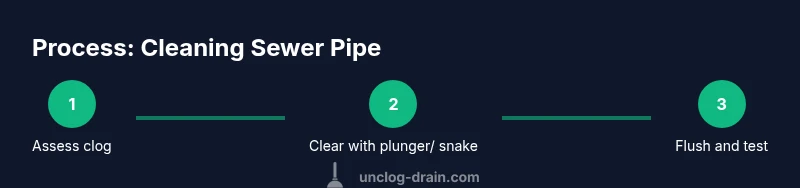
You can clean a sewer pipe at home by combining safe, mechanical clearing with proper testing and prevention. Start with a quick safety check, gather the right tools, and use a plunger or drain snake to clear the clog, then flush with hot water or enzymatic cleaner. Finish with maintenance tips to prevent future backups.
Understanding Sewer Pipe Clogs and the Role of Cleaning
Cleaning sewer pipe is essential when you notice slow drains, gurgling sound, or backups. Clogs often form from a combination of hair, grease, soap scum, and foreign objects accumulating over time, restricting flow through the main line or branch drains. According to Unclog Drain, most residential clogs originate near the trap or in the short section of pipe closest to the fixture. Recognizing the path of least resistance helps you target the right spot with the correct method. In this guide, we’ll cover practical techniques, safety considerations, and maintenance habits that empower homeowners to handle routine blockages and prevent severe backups. Always remember: don’t rush to chemicals for every clog; mechanical clearing is your first, safest option.
Common Methods for Cleaning Sewer Pipes
There are several ways to approach a sewer pipe clog, and the best method depends on where the clog sits and how severe it is. Mechanical methods—like a plunger, hand auger (drain snake), or power auger—often resolve simple blockages in a toilet or sink drain. For stubborn clogs, a longer drain snake designed for main lines may be required, but patience and steady technique matter. Chemical cleaners can be tempting, yet they risk damaging pipes or septic systems when misused. Enzymatic cleaners offer a gentler alternative for ongoing maintenance, though they work slowly and are not a fix-all for a major blockage. Always start with mechanical methods and reserve chemicals for after you’ve attempted physically clearing the line. The goal is to restore flow without harming pipes or the environment.
Safety and Environmental Considerations
Working with sewer systems involves exposure to wastewater, so safety comes first. Wear heavy-duty gloves, eye protection, and closed-toe shoes; good ventilation also helps. Never mix chemical cleaners, and avoid combining household cleaners with bleach or ammonia due to dangerous fumes. Dispose of wastewater responsibly—don’t pour it into street drains or stormwater systems; use a sanitary sewer connection if you’re disposing of liquids at all. If you’re using a power auger, keep hair and clothing secured to prevent entanglement. Underlying pipe damage or root intrusion may require professional guidance, especially if you notice repeated backups or new cracks.
DIY vs Pro: When to Call a Professional
DIY clearing works for light to moderate clogs, but some situations demand a pro. If multiple fixtures back up simultaneously, you smell sewage, or you see persistent water backing up after clearing, it could indicate a main line problem, a broken pipe, or significant tree root intrusion. In these cases, a licensed plumber has the equipment to perform camera inspections, locate the exact problem, and perform necessary repairs. The Unclog Drain analysis emphasizes dialing back DIY efforts when there’s potential for sewage exposure or structural damage, as improper techniques can worsen the issue.
Maintenance and Prevention
Preventing future clogs is easier than repeatedly clearing them. Use strainers on every drain, run hot water through sinks regularly, and avoid pouring fats, oils, or coffee grounds down kitchen drains. Periodically flush toilets and drains with enzymatic cleaners to break down organic buildup without harming pipes. If you have a septic system, avoid flushing products that disrupt beneficial bacteria, and schedule periodic professional inspections. Small habits compound into big savings: you’ll reduce the likelihood of backups and extend the life of your plumbing.
Troubleshooting Quick Checks
After attempting to clear a clog, run water through the system and observe the drain’s response. If water drains slowly or slowly clears, repeat the clearing technique or switch to a longer tool. Listen for changes in drain sound and watch for signs of air or odor coming from the pipes. If odors persist or water level remains high, reassess the drain’s condition and consider a camera inspection to identify obstructions beyond what you can reach with a handheld tool. Consistent, cautious testing helps prevent false confidence or missed problems.
What to Expect After Cleaning
Once the clog is removed, you should see a return to normal drainage. It’s common to notice a brief period of air or a minor odor before everything settles. Continue to monitor the drains for a few days and avoid introducing grease, fibrous foods, or large objects into pipes. A proactive maintenance plan—using strainers, enzymatic cleaners, and periodic professional checkups—will help keep sewer pipes clear and functioning smoothly.
Tools & Materials
- Heavy-duty rubber gloves(at least 12 inches)
- Safety goggles(protect eyes from splashes)
- Waterproof boots(keep feet dry)
- Plunger (cup/plunger)(fit for toilet or sink)
- Drain snake (auger)(length appropriate for sewer lines)
- Bucket(catch wastewater)
- Old towels or rags(cleanup and tarps)
- Flashlight(see inside pipes)
- Enzymatic drain cleaner (optional)(for maintenance after clearing)
Steps
Estimated time: 60-90 minutes
- 1
Turn off water and don PPE
Shut off the water supply to the affected fixtures to prevent new wastewater from entering the pipe. Put on gloves, goggles, and sturdy footwear. Ensure the area is well-ventilated and clear of children and pets before starting.
Tip: Double-check shutoff valves and keep a dry towel handy for spills. - 2
Clear the workspace
Move obstacles away, lay towels or a drop cloth, and place a bucket to catch any wastewater. Remove standing water with a cup or sponge if possible to improve access to the clog.
Tip: Good lighting makes a big difference; a headlamp helps in tight spaces. - 3
Try the plunger first
For toilets, use a flange plunger with a proper seal; for sinks, a cup plunger may suffice. Create a strong seal and plunge with steady, controlled pressure for 15-30 seconds. If the drain erupts, pause, wipe up, and re-seal before continuing.
Tip: Keep plunging motion slow to avoid pushing debris further into the pipe. - 4
Advance the drain snake
Feed the snake slowly toward the clog, twisting as you push to break up or latch onto the obstruction. When you feel resistance, rotate and pull back slightly before pushing again. Repeat until you sense clearance.
Tip: Avoid forcing the snake; excessive force can damage pipes or push waste back toward the fixture. - 5
Flush and test the drain
Run hot water (not boiling) or a enzymatic cleaner through the pipe to rinse debris. Wait a few minutes, then run water again to confirm flow. If slow drainage persists, repeat the snake or consider a deeper inspection.
Tip: Enzymatic cleaners work gradually; give them time between applications. - 6
Inspect the trap and vent
Check the P-trap under sinks for buildup and clear it if possible. Verify venting by running another fixture to see if the main line maintains smooth flow without gurgling.
Tip: If you can’t reach the trap safely, skip this step and focus on the main line. - 7
Finish with maintenance and prevention
Clean drains with a vented approach to prevent future clogs. Install strainers, avoid disposing of grease or coffee grounds in drains, and consider routine enzymatic treatments for ongoing maintenance.
Tip: Keep a simple monthly routine to minimize recurring issues.
Common Questions
What’s the first thing I should try when I notice a clogged sewer pipe?
Start with a plunger to clear minor blockages. If that doesn’t work, use a drain snake carefully to reach deeper clogs. Avoid jumping to chemical cleaners as a first line of defense.
Begin with a plunger, then a drain snake if needed. Avoid rushing to chemicals.
Are chemical drain cleaners safe for sewer pipes and septic systems?
Chemical cleaners can damage pipes or septic systems if misused. They may also delay a proper diagnosis of the underlying issue. Prefer mechanical methods when possible and use enzymatic cleaners for maintenance.
Chemicals aren’t always safe for pipes or septic systems; rely on mechanical methods first.
Can a plunger clear a clogged main sewer line?
A plunger can help, but clogs in the main sewer line often require a professional with specialized equipment and camera inspection to accurately diagnose and fix the problem.
A plunger may help, but major clogs often need a pro with camera inspection.
How do I know when a clog needs professional attention?
Backups in multiple fixtures, sewage odors, or water backing up after clearing indicate a more serious issue that likely requires professional intervention.
Consult a plumber if backups persist across fixtures or odor lingers.
What maintenance reduces future sewer clogs?
Install drain strainers, avoid pouring grease down drains, flush with hot water regularly, and consider periodic enzymatic cleaners to keep buildup at bay.
Use strainers, avoid grease, and run maintenance cleaners periodically.
Is it safe to try a long drain snake myself?
Yes, with caution: use proper technique, don’t force the tool, and wear PPE. If you hit hard resistance or can’t reach the clog safely, stop and call a pro.
Yes, if you’re careful; if uncertain, call a professional.
Watch Video
Key Points
- Assess the clog and choose mechanical clearing first
- Avoid chemical mix-ups that can harm you or pipes
- Test the system after clearing and monitor for recurrence
- Implement daily/weekly maintenance to prevent future clogs