How to Clean a Sewer Line: A DIY Guide for Homeowners
Learn safe, practical steps to clean a sewer line at home. This DIY guide covers essential tools, techniques, safety tips, and prevention strategies to keep drains flowing.


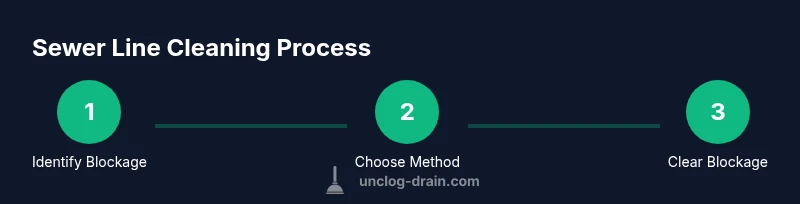
You can clean a sewer line at home by identifying the blockage, choosing a method (snaking or hydro-jetting where available), and following safety precautions. Gather essential tools, work with proper ventilation, and flush the line with water after clearing the clog. This guide covers steps, risks, and prevention to keep drains flowing.
Why a clean sewer line matters
A clean sewer line is essential for a healthy home and a smooth-running plumbing system. When drains back up or slow to drain, it’s not just inconvenient—it can lead to water damage, foul odors, and septic issues. For homeowners, the goal is to prevent blockages before they start and to address them quickly when they occur. According to Unclog Drain, most residential clogs begin not at the drain trap but farther along the main sewer line, where tree roots, grease buildup, and mineral deposits accumulate over time. By keeping the line clear, you protect your fixtures, avoid costly repairs, and maintain good indoor air quality. This section explores why routine line cleaning matters, what it can—and cannot—accomplish, and how to set reasonable expectations for DIY efforts. You’ll learn how to distinguish a typical partial clog from a more serious sewer backup and why timing matters when you notice changes in your toilets or sinks. The bottom line: a proactive approach to sewer-line maintenance reduces emergency calls and preserves your plumbing’s lifespan.
Common causes of sewer line clogs
Clogs don’t appear out of nowhere; they accumulate from several sources. The most common culprits include tree roots invading underground pipes, buildup of grease and soap scum, immature or faulty pipe joints, and foreign objects flushed down toilets. In older homes, pipe corrosion can create pinch points that trap debris. Hair and food particles can form sludge in kitchen drains, while flushed wipes and sanitary products create unexpected blockages in bathroom lines. According to Unclog Drain Analysis, 2026, many sewer-line problems originate in the main line due to a combination of age, soil conditions, and household habits. By understanding these causes, you can tailor your cleaning approach and prevent future jams. Note that a clogged line may imitate a simple slow drain, but the underlying issue could be a partial backup that worsens after heavy use or rain. Regular maintenance, such as mindful disposal and periodic inspections, helps reduce risk and extend the life of your pipes.
Safety first: precautions before you start
Working with sewer lines involves exposure to waste and gases. Before you begin, put on heavy-duty gloves, eye protection, and protective clothing. Never mix chemical drain cleaners with other products—foaming reactions can create dangerous fumes. If you suspect a sewer gas leak, evacuate and call a professional. Turn off the water supply to fixtures connected to the line while you work to avoid sudden surges. Ventilate the area by opening windows and using a fan if available. Keep children and pets away from the work zone. Check the building’s main cleanout access; if you aren’t sure where it is, locate the main sewer cleanout in the basement or outside an exterior wall. Remember that sewer-cleaning tasks can generate pressure and release noxious gases; if you feel lightheaded or overwhelmed, pause and seek professional assistance. Good preparation reduces risk. The goal is to create a safe work environment so you can focus on clearing the line rather than on injury recovery.
How to choose a cleaning method: snake vs hydro-jet
Choosing the right method depends on pipe type, location, and the nature of the blockage. A manual or electric drain snake (auger) works well for localized clogs in accessible pipes and is a good DIY option for most residential drains. Hydro-jetting uses high-pressure water to blast away mineral buildup, grease, and root intrusion, but it can damage fragile pipes if misused and is typically best left to professionals or equipped DIY setups with caution. If the blockage is near a cleanout and you feel steady control, start with a snake to physically break up the obstruction. If you’ve cleared a partial clog and water still flows slowly, consider a controlled hydro-jetting pass only after verifying pipe integrity. Always avoid aggressive jetting in old clay or cast-iron pipes. This decision matters because it protects pipes from cracking while delivering the most effective cleaning results.
Step-by-step overview: how cleaning methods work in practice
For DIYers, the general workflow begins with safe access and PPE, then proceeds to mechanical clearing (snake) or high-pressure cleaning (hydro-jet). A snake physically engages the blockage by winding its coil into the pipe and breaking the matter into smaller pieces. Hydro-jetting, by contrast, uses a nozzle to spray water at high pressure to dislodge stubborn buildup. Both methods require controlled water management to prevent splashback and wastewater exposure. After clearing, flush the line with a steady stream of cold water to push debris toward the main sewer. Finally, inspect the flow in each connected fixture to ensure uniform drainage. If any step feels uncertain, stop and reassess; improper technique can worsen the problem or cause leaks.
Maintenance and prevention after a sewer line clean
To minimize future clogs, adopt mindful habits and routine checks. Use strainers in kitchen and bathroom sinks to catch solids, dispose of fats and oils in the trash rather than down the drain, and avoid flushing non-degradables. Schedule a seasonal inspection of the main line, especially after heavy rains or seasons with rapid temperature changes, which can affect pipe joints. Periodically flush lines with hot water and a small amount of baking soda to help deter buildup; if you notice recurring issues, consider enzyme-based cleaners that support bacterial digestion of organic waste instead of harsh chemicals. Finally, document the age and material of your pipes; knowing when clay, cast iron, or PVC was installed helps you tailor preventive maintenance and future remediation plans.
When to call a professional
If you encounter repeated backups after multiple DIY attempts, or if you smell gas, see sewage pooling indoors, or notice water backing up in more than one fixture, it’s time to call a professional plumber. A licensed technician can perform air and sewer-line diagnostics with specialized equipment (camera inspection, pressure tests, and hydro-jetting when appropriate) and determine whether the problem involves the main municipal line or your home’s piping. Professional help is also prudent when pipe material is unknown, when you suspect root intrusion at a distance from the cleanout, or when the blockage appears to be caused by a collapsed pipe. Investing in a professional assessment at the right time can prevent expensive emergencies and protect your home’s structural integrity.
Tools & Materials
- Drain snake (auger) or plumber's snake(Manual or drill-powered; choose based on pipe diameter and access)
- Plunger (flange for toilets, cup for sinks)(Keep spare in the toolbox for quick swaps)
- Protective gloves(Heavy-duty rubber or latex with grip)
- Safety goggles or face shield(Protect eyes from splashes)
- Bucket and rags(Contain and clean up wastewater)
- Flashlight or headlamp(Inspect dark pipes and locate cleanouts)
- Pipe wrench(Useful for loosening joints if needed)
- Wet/dry vacuum (optional)(Can help remove standing water)
- Towels or absorbent mats(Prevent floor damage from spills)
- Baking soda(Natural helper for gentle odor control)
- White vinegar(Combine with baking soda for a mild cleaning fizz)
Steps
Estimated time: 60-90 minutes
- 1
Identify blockage and access points
Locate the main cleanout and determine which fixtures are affected. Note whether the backup is at the toilet, tub, or multiple drains. This helps you decide which section of pipe to attack first.
Tip: Take a before photo of the area to track improvements. - 2
Choose your method
Decide between a standard drain snake and hydro-jetting. A snake is ideal for localized clogs; hydro-jetting is for stubborn buildup but carries higher risk to older pipes.
Tip: If you doubt pipe integrity, start with the snake before powerful methods. - 3
Prepare the work area
Clear the area, lay down towels, place a bucket under the cleanout, and ensure proper ventilation. Shut off the water supply if possible to prevent backflow during clearing.
Tip: Ventilate and wear PPE to minimize exposure. - 4
Insert and operate the snake
Gently feed the snake into the pipe, rotating as you advance. When you feel resistance, apply steady pressure and pull back slightly to avoid crushing the pipe. Reel in debris gradually.
Tip: Never force the auger; retreat and re position if you meet solid resistance. - 5
Flush and test the line
Turn on water gradually and observe flow. If water drains slowly, reinsert the snake or reattempt from the cleanout. Test multiple fixtures to confirm overall clearance.
Tip: Flush with small bursts of water rather than a single long pour. - 6
Clean up and sanitize
Disinfect tools, dispose of waste according to local guidelines, and wash the area. Run clean water through all connected fixtures to confirm sustained flow.
Tip: Rinse and sanitize tools after use to prevent cross-contamination.
Common Questions
Can I unclog a sewer line with a plunger?
A plunger can help with minor, localized drains, especially toilets, but it may not clear deeper sewer line blockages. If plunging doesn’t restore flow after several attempts, move to a snake or call a professional.
A plunger helps some toilet clogs, but for main sewer issues you may need a snake or a pro.
Is it safe to use chemical drain cleaners for sewer lines?
Most chemical cleaners are not recommended for main sewer lines as they can damage pipes and harm septic systems. They may provide a temporary fix but often fail for deeper clogs and create hazardous fumes.
Chemical cleaners are not ideal for main drains; they can damage pipes and aren’t reliable for big clogs.
When should I not DIY and call a pro?
Call a professional if you have repeated backups, gas smells, water pooling indoors, or you’re unsure about pipe material and access. A licensed plumber can perform diagnostic camera inspections and use specialized tools safely.
Call a pro if backups persist, there’s gas, or you’re unsure about the pipes.
What is the main sewer line cleanout and how do I access it?
The main cleanout is an exterior or basement access point that allows you to clear blockages. It’s typically a capped pipe. If you’re unsure where it sits, consult a diagram of your home or a plumber before attempting access.
Find the main cleanout cap; don’t force entry without knowing the location.
How long does hydro-jetting take and is it expensive?
Hydro-jetting time and cost vary by line length, pipe material, and access. It’s generally more expensive than a snake and often requires professional service, but it can remove stubborn buildup effectively.
Jetting takes longer and costs more, but removes tough buildup when done right.
What maintenance helps prevent clogs?
Install strainers, dispose of fats and oils properly, avoid flushing wipes, and run hot water with a little baking soda periodically. Regular, light maintenance reduces the likelihood of major blockages.
Prevention is key: strainers, proper disposal, and routine flushing.
Watch Video
Key Points
- Identify the blockage before you begin.
- Choose a method appropriate for pipe age and location.
- Prioritize safety and area ventilation.
- Test multiple fixtures to confirm clearance.